
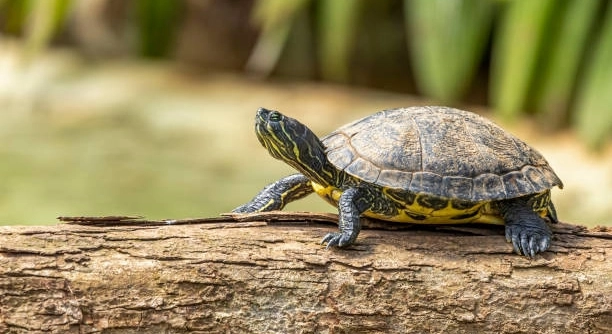
Yellow-bellied sliders are popular pets, known for their active and curious nature. As omnivores, they require a balanced diet, which can include a variety of insects and other food sources. One of these insects is the cricket.
Yellow-bellied sliders can eat crickets, as they are a source of protein and can be beneficial to their diet. Crickets provide essential nutrients, such as vitamins and minerals, which contribute to the overall health of the turtle.
Providing crickets to your turtle can be a fun way to enrich its diet, but it’s important to know how to properly feed them for optimal health.
Why Crickets Are a Good Choice for Yellow-Bellied Sliders
Crickets are an excellent addition to the diet of a yellow-bellied slider. These insects are not only a great source of protein but also contain vitamins and minerals that are vital for a turtle’s overall health. Crickets have high moisture content, which helps to keep your turtle hydrated. Additionally, they are easy to find and relatively inexpensive compared to other protein-rich options, like fish or meat. Offering crickets also helps satisfy the turtle’s natural hunting instincts, making it more engaging and enriching for your pet. Their small size makes them easy for the turtle to catch, while their nutritional value supports the turtle’s growth and energy levels.
Crickets should be fed in moderation, as overfeeding can cause digestive issues. It’s important to offer a variety of foods to maintain a balanced diet.
For your yellow-bellied slider, it’s essential to ensure the crickets are properly gut-loaded before feeding them. Gut-loading refers to feeding the crickets nutritious food before they are consumed by your turtle. This ensures the crickets are packed with vitamins and minerals that will benefit the turtle. You can feed crickets high-quality food like leafy greens, carrots, or even a small amount of fish food before offering them to your pet.
Additionally, offering crickets in the right portion size is key. A healthy adult slider may need 3-4 crickets per feeding, while juveniles can have fewer. Be sure to remove any uneaten crickets to avoid them from becoming stressed or harming the turtle.
The Right Way to Feed Crickets to Yellow-Bellied Sliders
Gut-loading crickets before feeding them to your slider ensures maximum nutritional benefit. Feeding them in appropriate portions prevents overfeeding.
When feeding crickets to your yellow-bellied slider, always make sure they are fresh and free from harmful pesticides. You can purchase crickets from pet stores or order them online. If you’re using wild-caught crickets, it’s crucial to ensure they haven’t been exposed to any harmful chemicals or pollutants. Once you have your crickets, place them in a shallow dish to make it easier for your turtle to catch them. It’s best to feed crickets one at a time, allowing your slider to enjoy the experience of hunting them down. Avoid putting too many crickets in the tank at once, as this can cause stress or overfeed your turtle.
Lastly, remember to clean your turtle’s environment regularly to avoid attracting excess waste or unwanted pests. Crickets that are left uneaten can quickly spoil and impact your turtle’s habitat, leading to potential health issues. Keep the feeding process simple and watch as your slider enjoys this nutritious snack.
How Often Should You Feed Crickets to Your Yellow-Bellied Slider?
Crickets should be offered as part of your turtle’s diet 1-2 times a week. This frequency ensures they receive protein without overloading on it. Along with other food sources, it helps maintain a balanced diet.
The amount of crickets you feed depends on the age and size of your yellow-bellied slider. Juvenile turtles may need fewer crickets, while adults can handle a few more. A general guideline is to feed adult sliders 3-4 crickets per feeding session. Adjust portion sizes based on your turtle’s activity level and hunger cues. It’s also important to vary their diet with other protein sources, such as worms or small fish, to prevent a reliance on just one food type.
Make sure the crickets you feed your turtle are appropriately sized, as larger crickets can pose a choking hazard. A good rule of thumb is to offer crickets that are about the size of your turtle’s head. You can also cut larger crickets into smaller pieces to make them easier to eat.
Risks of Overfeeding Crickets to Yellow-Bellied Sliders
Overfeeding crickets can lead to digestive issues for your yellow-bellied slider. This may result in bloating, constipation, or an imbalance in their nutritional intake.
Too many crickets can also cause your turtle to become overweight, which leads to additional health risks. A diet too high in protein can stress the kidneys and liver, as these organs have to work harder to process excess nutrients. This is why moderation is key when offering crickets to your slider. It’s important to feed a well-rounded diet, combining vegetables, fruits, and other protein sources. If you’re unsure about portion sizes or frequency, consulting with a vet can help you tailor the diet to your turtle’s specific needs. The goal is to keep your slider healthy, active, and free from digestive issues.
Balancing the diet of your yellow-bellied slider with crickets ensures that they get the necessary nutrients for growth and vitality. Stick to feeding them crickets in moderation and keep the rest of their diet varied with leafy greens, aquatic plants, and other protein options.
How to Properly Store Crickets for Your Yellow-Bellied Slider
Store crickets in a well-ventilated container. Ensure they have access to food and water before feeding them to your slider. Keeping them in a cool, dry place can help prolong their lifespan.
Crickets should be kept in a container with proper airflow, like a mesh-sided box or plastic bin with holes. Place cricket food such as vegetables, oats, or commercial cricket food inside. A shallow water dish is also important for hydration but must be shallow enough to prevent drowning. Crickets will thrive in a temperature range of 70-80°F, and it’s best to feed them to your turtle within a week for optimal freshness.
To avoid crickets escaping, make sure the container is securely covered. If you’re not feeding them right away, check the container regularly and remove any dead crickets to prevent odor. Keeping your crickets in a healthy environment ensures they remain nutritious and safe for your slider.
Gut-Loading Crickets for Maximum Nutrition
Gut-loading is essential to maximize the nutritional value of crickets before feeding them to your yellow-bellied slider. This process involves feeding crickets nutrient-rich foods to boost their vitamin and mineral content.
The gut-loading process should ideally take 24-48 hours before you feed the crickets to your turtle. Provide them with vegetables like leafy greens, carrots, or bell peppers, which are rich in essential nutrients. The crickets consume the food, and in turn, pass on these nutrients to your slider when eaten. This step enhances the overall diet of your turtle, ensuring it gets additional vitamins like A, D, and calcium, all of which contribute to better shell health and growth.
Can Wild-Caught Crickets Be Used?
Wild-caught crickets can be used, but only if you are sure they haven’t been exposed to harmful chemicals or pesticides. Always be cautious when using insects from outside.
Feeding wild-caught crickets can introduce unknown risks. Pesticides and other environmental contaminants may be present, and these chemicals can harm your turtle. If you choose to use wild-caught crickets, ensure they come from a clean, pesticide-free area. Alternatively, you can buy farm-raised crickets from pet stores to guarantee their safety and nutritional value.
FAQ
Can yellow-bellied sliders eat crickets every day?
Crickets should not be fed to yellow-bellied sliders every day. They should be offered 1-2 times a week as part of a balanced diet. Overfeeding crickets can lead to digestive problems and nutritional imbalances. Yellow-bellied sliders need a variety of protein sources, including worms, fish, and leafy greens, for optimal health. Offering a range of food helps prevent dependency on any one source and ensures they receive all necessary nutrients.
How many crickets should I feed my yellow-bellied slider?
The number of crickets to feed depends on the age and size of the turtle. For an adult yellow-bellied slider, feeding 3-4 crickets per session is generally appropriate. Juvenile turtles, being smaller, should be given fewer crickets. You can adjust the quantity based on how much your turtle eats during each feeding. Monitor your turtle’s weight and overall health to ensure you’re offering the correct amount.
What are the benefits of feeding crickets to yellow-bellied sliders?
Crickets are a great source of protein, which is essential for growth, shell development, and energy. They also provide essential vitamins and minerals, including calcium and vitamin D, which support bone health and help prevent metabolic bone disease. Crickets are low in fat and high in moisture, which aids in hydration. Their small size makes them easy for your turtle to hunt and catch, providing mental stimulation as well.
Are there any risks to feeding crickets to yellow-bellied sliders?
Overfeeding crickets can cause digestive issues, leading to bloating or constipation. Additionally, if crickets are too large for the turtle to handle, they could pose a choking hazard. Feeding only crickets without variety can also result in an unbalanced diet, lacking important nutrients. Always ensure crickets are appropriately sized and fed in moderation, alongside other food sources like leafy greens and fish.
How do I know if my yellow-bellied slider likes crickets?
If your turtle is active and excited when crickets are introduced, it’s a good sign they enjoy them. You might also notice that your slider is more engaged or hunting eagerly. Some turtles might need time to warm up to crickets, especially if they’re not used to this food source. If your turtle doesn’t seem interested at first, try offering smaller or easier-to-catch crickets.
Can I feed yellow-bellied sliders wild-caught crickets?
Wild-caught crickets can be fed to yellow-bellied sliders, but caution is needed. Wild crickets may have been exposed to pesticides or other harmful chemicals. If you choose to feed wild-caught crickets, make sure they come from an area that is pesticide-free. It’s generally safer to buy farm-raised crickets from pet stores to ensure they are free from contaminants.
How should I store crickets for my turtle?
To store crickets properly, place them in a well-ventilated container with food and water. Keep the container in a cool, dry place with a temperature of around 70-80°F. Avoid overcrowding the crickets, as they need space to move and feed. You can gut-load crickets by feeding them nutritious foods like vegetables before offering them to your turtle. Always check the container for dead crickets and remove them to maintain cleanliness.
Should I gut-load crickets before feeding them to my yellow-bellied slider?
Yes, gut-loading crickets before feeding them to your yellow-bellied slider is highly beneficial. Gut-loading means providing the crickets with nutrient-rich food to enhance their vitamin and mineral content. By feeding the crickets vegetables or cricket food before offering them to your turtle, you ensure they provide better nutrition. This practice improves the overall quality of the diet your turtle receives from crickets.
Can yellow-bellied sliders eat other insects besides crickets?
Yes, yellow-bellied sliders can eat other insects such as mealworms, waxworms, and superworms. These insects offer a different nutritional profile and can be used to diversify their diet. It’s essential to vary their protein sources to ensure a balanced and healthy diet. Make sure to feed these insects in moderation and in appropriate portion sizes based on your turtle’s size and needs.
How often should I clean the tank after feeding crickets to my slider?
After feeding crickets, it’s a good idea to clean the tank regularly, especially if uneaten crickets remain. Crickets left in the tank can spoil and create a mess, attracting bacteria that may harm your turtle. Clean the tank once a week, or more frequently if you notice leftover food or waste. Regular cleaning helps maintain a healthy environment for your slider.
Can I feed crickets to baby yellow-bellied sliders?
Baby yellow-bellied sliders can eat crickets, but you should feed them in smaller portions due to their size. Start with just one or two small crickets per feeding. As they grow, you can gradually increase the amount of crickets offered. Be sure to also offer other protein sources and greens to ensure a well-balanced diet.
Can I feed crickets that have been kept in a cricket cage for too long?
Crickets that have been in a cage for too long may lose their nutritional value and can become stressed or weak. It’s best to feed crickets within a few days of purchasing them. If you store crickets for an extended period, make sure they are well cared for and kept in the right conditions to maintain their health. Always inspect the crickets before feeding them to your slider to ensure they are still healthy and safe to eat.
What’s the best way to feed crickets to my yellow-bellied slider?
The best way to feed crickets is to place them in a shallow dish or directly in the water, depending on your turtle’s preferences. Some turtles enjoy hunting their food, so scattering the crickets around the tank can be an engaging way to encourage this natural behavior. If you want to ensure your turtle eats the crickets, placing them in a dish can help them focus on their meal.
Final Thoughts
Feeding crickets to yellow-bellied sliders can be a beneficial part of their diet, offering them essential protein and nutrients. However, it’s important to ensure that crickets are fed in moderation. Too many crickets, or feeding them too frequently, could lead to digestive issues or nutritional imbalances. A balanced diet is key for your turtle’s health, and variety is essential. By mixing crickets with other protein sources, like worms and fish, and adding greens and vegetables, you can help ensure your slider gets all the nutrients it needs to thrive.
While crickets are a great food option, they should not be the only source of protein for your yellow-bellied slider. Variety in their diet keeps them engaged and helps prevent them from becoming dependent on one type of food. This also reduces the risk of malnutrition and ensures that your turtle’s diet is well-rounded. Be sure to offer different kinds of insects, fish, and plants to keep things interesting for your turtle and provide all the essential vitamins and minerals it needs.
In conclusion, crickets are a suitable and nutritious treat for yellow-bellied sliders when offered appropriately. By feeding them in the right portion sizes, offering variety, and monitoring your turtle’s overall health, you can create a feeding routine that supports their well-being. Always remember that a balanced diet is crucial, and regular observation will help ensure your slider remains happy and healthy.

Hello,
If you enjoy the content that we create, please consider saying a "Thank You!" by leaving a tip.
Every little bit helps us continue crafting quality advice that supports the health, happiness, and well-being of pets around the world, for pets of all shapes, sizes, and species.
We really appreciate the kindness and support that you show us!