
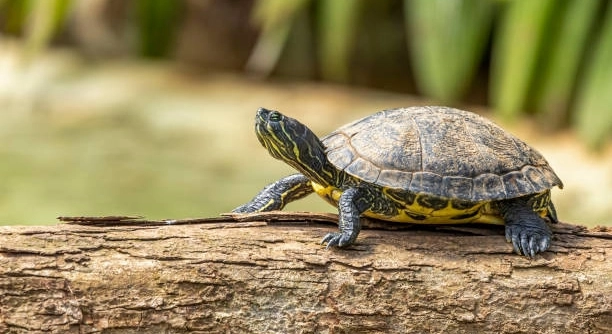
Building a custom tank lid for your yellow-bellied sliders can be a rewarding project. It ensures they have a safe, secure environment while also being tailored to their specific needs. Here’s how you can do it.
To create a custom tank lid, you’ll need materials like mesh, hinges, and a frame that fits your tank’s dimensions. Ensure the lid allows for proper ventilation, is securely attached, and can easily be opened for maintenance.
With the right materials and steps, you’ll be able to create a practical lid for your slider tank, ensuring safety and convenience.
Choosing the Right Materials for Your Tank Lid
When building a custom tank lid, selecting the right materials is key. You’ll need a sturdy, lightweight frame to support the lid and a mesh that provides enough ventilation for your yellow-bellied sliders. Consider using aluminum or PVC for the frame, as both materials are durable and easy to work with. Mesh wire, often found at hardware stores, is a good choice for the top as it allows air circulation while preventing your turtles from escaping.
It’s also a good idea to pick a mesh with small holes to avoid accidental escapes. The mesh should be rust-resistant and durable enough to withstand humidity and constant exposure to water. This ensures the lid’s longevity and keeps your sliders safe.
Don’t forget to pick up some basic tools, such as a saw, drill, and measuring tape, to make the project easier. Precision is important when measuring the tank and cutting the frame so that the lid fits perfectly.
Cutting the Frame for a Perfect Fit
The next step is cutting the frame to match the tank’s size. Measure the length and width of your tank, and mark the frame material accordingly. A good tip is to add a small extra margin to the frame’s dimensions to allow the lid to sit snugly on top without gaps.
Once the frame is cut, assemble the pieces using screws or adhesive for a secure hold. Make sure everything is aligned properly to avoid any misfit once it’s attached. This part may take some time, but attention to detail ensures the frame is both sturdy and functional.
Attaching the Hinges
Attaching hinges to the lid is essential for easy access. Choose durable hinges that can handle the weight of the lid while allowing it to open smoothly. Brass or stainless steel hinges work well and are resistant to rust.
Position the hinges on the edge of the frame, ensuring they’re evenly spaced for balance. Use screws to secure them, making sure the screws don’t stick out too far. Once the hinges are attached, test the lid by opening and closing it. The lid should move easily without resistance. If necessary, adjust the hinges to ensure a smooth motion.
Make sure the hinges are firmly fixed and properly aligned. A well-installed hinge system will make daily tank maintenance easier and prevent any issues with the lid over time. You want to ensure both practicality and durability here.
Securing the Mesh to the Frame
Now that your frame and hinges are in place, it’s time to attach the mesh. Cut the mesh to fit within the frame, leaving a small overlap for a cleaner finish. Use a staple gun, screws, or mesh clips to secure the edges of the mesh to the frame.
Make sure the mesh is tight and doesn’t sag. This will prevent any openings that could allow your yellow-bellied sliders to escape. It’s also important that the mesh is secure enough to withstand your turtle’s occasional nudging. Test the mesh after attaching it by gently pressing on it to check for any weak spots.
If needed, reinforce the mesh by adding extra fasteners to areas that may need more support. Once the mesh is secure, it should provide excellent ventilation while keeping your turtles safe inside their tank.
Adding a Secure Locking Mechanism
A secure locking mechanism is important to prevent your yellow-bellied sliders from escaping. You can use simple slide bolts or latch locks to keep the lid in place. Choose a lock that is easy to operate but secure enough to prevent accidental openings.
Ensure the locking mechanism is easy for you to use, but hard for your turtles to manipulate. Place the lock at a convenient height and make sure it doesn’t interfere with the lid’s function. This way, you’ll have easy access while ensuring your slider’s enclosure is secure.
Ensuring Proper Ventilation
Ventilation is crucial for your yellow-bellied sliders’ health. The mesh top allows air to flow freely, preventing stagnant air and excess humidity inside the tank. Make sure the mesh is not overly thick or covered in materials that would block airflow.
It’s also important to leave some space around the edges of the lid to let air circulate. This helps maintain a healthy environment for your sliders, as they need fresh air and the right humidity levels to thrive. Proper ventilation also prevents mold or mildew from developing on the surface.
Final Adjustments
Before using the lid, make sure everything is functioning correctly. Test the lid’s fit, check that the locking mechanism works, and ensure the mesh is securely attached. Adjust any components that don’t align properly or need reinforcing.
FAQ
What materials are best for building a tank lid?
The best materials for building a tank lid include lightweight metals like aluminum or PVC for the frame. These materials are strong, rust-resistant, and easy to work with. For the mesh, go with a fine wire mesh that’s also rust-resistant to ensure durability and proper ventilation. Aluminum or stainless steel hinges will help with ease of access and long-term functionality.
How do I measure the lid for my tank?
To measure the lid, start by measuring the length and width of your tank’s top. Add a small margin to these measurements to ensure the lid fits snugly without gaps. The frame should be slightly larger than the tank’s dimensions to sit securely on top. Take accurate measurements and double-check before cutting any material to avoid mistakes.
How do I attach the mesh to the frame?
Attaching the mesh is a straightforward process. Once you’ve cut the mesh to size, stretch it over the frame and secure the edges using either a staple gun, screws, or mesh clips. Make sure the mesh is tight and taut, with no sagging, to prevent gaps. If needed, reinforce the mesh in areas that might be under stress or where it might loosen over time.
Do I need to add a locking mechanism to the lid?
Yes, adding a locking mechanism is highly recommended to ensure your yellow-bellied sliders stay safe and cannot escape. A simple slide bolt or latch lock will suffice. Be sure to position the lock where it is easy for you to open, but secure enough that your sliders can’t accidentally unlock it. This will keep your turtles safe and prevent any mishaps.
How can I ensure my tank lid is secure enough?
To ensure your tank lid is secure, make sure the locking mechanism is sturdy and the hinges are firmly attached. The mesh should be securely fastened to the frame, and the frame should sit snugly on top of the tank. Check all components regularly for wear and tear to ensure everything remains intact. If necessary, reinforce weak spots with additional screws or fasteners.
Can I use glass for the lid?
Using glass is an option, but it’s generally heavier and can be more challenging to work with compared to lighter materials like PVC or aluminum. Glass may also require extra support for the frame to handle the weight. However, glass can provide a clear view of your yellow-bellied sliders and is easy to clean, which could be beneficial for some tank setups. Just be sure to choose tempered glass to avoid breakage.
How do I make sure the lid provides enough ventilation?
For proper ventilation, use mesh or wire material that allows airflow. The mesh should cover the entire top of the tank to ensure air circulates freely. It’s also important to leave some space around the edges of the lid to promote airflow. Adequate ventilation will help prevent high humidity levels that could lead to mold or unhealthy tank conditions for your turtles.
What type of hinges should I use for the tank lid?
Brass or stainless steel hinges are excellent choices for attaching your tank lid. They are durable and resistant to rust, making them ideal for the humid environment of a turtle tank. Choose hinges that are sturdy enough to support the weight of the lid, and make sure they’re placed evenly to ensure smooth operation when opening and closing the lid.
How do I make sure the tank lid stays in place?
To keep your tank lid in place, consider using a locking mechanism or a simple latch system. These will help secure the lid and prevent it from accidentally opening. You can also use a frame design that fits snugly around the edges of the tank. This will prevent the lid from shifting or being easily knocked off.
Should I use a solid or mesh lid for my yellow-bellied sliders?
A mesh lid is the better option for yellow-bellied sliders, as it provides necessary ventilation. Solid lids can trap heat and moisture, which can negatively affect the environment inside the tank. Mesh lids help regulate temperature and humidity, creating a more suitable habitat for your turtles.
Final Thoughts
Building a custom tank lid for your yellow-bellied sliders is an important step in creating a safe and comfortable environment for them. With the right materials, tools, and a bit of patience, you can create a functional lid that ensures your turtles stay safe while allowing them to breathe and enjoy their habitat. The process involves selecting the right frame material, securing a tight mesh, and adding a secure locking system. Each of these components plays a crucial role in keeping your tank environment healthy and safe.
When building the lid, it’s essential to pay attention to both durability and practicality. A properly fitted lid should be easy to open and close but also secure enough to prevent any escapes. Keep ventilation in mind, as yellow-bellied sliders need a stable environment with good airflow. A well-ventilated tank will help keep humidity levels at an optimal range, which is necessary for your turtle’s health. Taking the time to double-check measurements and secure all parts will ensure the lid functions properly and lasts long.
In the end, building a custom tank lid is a rewarding DIY project that can be tailored to your needs. With attention to detail and the right materials, you can make a lid that not only looks great but also provides practical benefits for your turtles. Whether you use it for daily tank maintenance or to ensure your yellow-bellied sliders have a safe and secure space, a well-built lid will make caring for them much easier.

Hello,
If you enjoy the content that we create, please consider saying a "Thank You!" by leaving a tip.
Every little bit helps us continue crafting quality advice that supports the health, happiness, and well-being of pets around the world, for pets of all shapes, sizes, and species.
We really appreciate the kindness and support that you show us!