
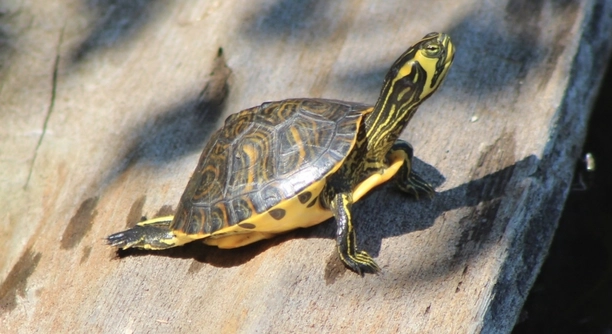
Yellow-bellied sliders are popular pets known for their friendly nature. As omnivores, they enjoy a variety of foods. Apples are often considered a treat, but it is essential to understand whether they are suitable for your turtle’s diet.
Yellow-bellied sliders can eat apples in moderation. Apples provide vitamins and hydration, but the high sugar content may cause digestive issues if fed too often. It is crucial to remove seeds and feed apples as an occasional snack.
Feeding your yellow-bellied slider apples can be a healthy addition when done properly, ensuring they get the right nutrients.
Benefits of Apples for Yellow-Bellied Sliders
Apples offer several benefits to yellow-bellied sliders when fed properly. They are a source of vitamins, such as Vitamin C, which helps with immune function and overall health. Apples also contain water, which aids in hydration. Feeding apples occasionally can help provide variety in your turtle’s diet, offering a treat that is both nutritious and refreshing. Additionally, the texture of apples can encourage natural chewing and biting behaviors, which helps maintain healthy teeth.
Apple slices can also be a good way to introduce new foods to your turtle. If your yellow-bellied slider isn’t eager to try vegetables, offering small apple pieces may pique their curiosity. Over time, they may become more willing to accept other foods. Just remember to keep it to small amounts.
However, it’s important to keep in mind that the sugar content in apples can be high. Feeding them too often may lead to weight gain or gastrointestinal issues. Moderation is key when it comes to feeding apples to your turtle.
Risks of Apples for Yellow-Bellied Sliders
Even though apples can be beneficial, there are some risks. If not fed in moderation, they could cause digestive upset. Their sugar content can affect your turtle’s metabolism, especially if they consume too much. It is also important to remove the seeds before offering apples to your slider. Apple seeds contain cyanide, which can be toxic to turtles. Always ensure your turtle’s snack is safe by cutting apples into bite-sized pieces.
Excessive apple consumption can also lead to nutritional imbalances. Yellow-bellied sliders require a variety of foods to meet their nutritional needs. If apples become a regular part of their diet, they may not get the right balance of vitamins and minerals. Turtles need protein, vegetables, and calcium in their diet, and apples should only be a small part of it.
Keeping these potential risks in mind, feeding apples to your yellow-bellied slider can be enjoyable and beneficial when done correctly. It’s always best to vary their diet, offering a range of healthy foods for overall well-being.
How to Safely Feed Apples to Yellow-Bellied Sliders
When offering apples to your yellow-bellied slider, it’s essential to prepare them properly. Always wash the fruit thoroughly to remove pesticides or chemicals. Cut the apple into small, manageable pieces, ensuring there are no seeds. Moderation is key, as apples should only be a treat, not a staple in their diet.
The apple should be sliced into small chunks or thin strips to prevent your turtle from choking. Make sure to remove any seeds or core before feeding them. Additionally, avoid using apples that have been cut for too long as they could lose nutrients or attract bacteria. Always serve fresh apples to maintain their nutritional value.
While apples can be a fun snack for your turtle, keep in mind they should never replace essential food groups. Yellow-bellied sliders need a variety of food to stay healthy, so apples should be a small part of their diet. Providing a balanced mix of vegetables, protein, and calcium is important for their long-term well-being.
Other Healthy Treats for Yellow-Bellied Sliders
Apples aren’t the only treat your yellow-bellied slider can enjoy. Leafy greens such as kale, collard greens, and dandelion leaves offer excellent nutrients. These vegetables provide calcium and fiber, which support your turtle’s digestive and bone health. You can also offer small amounts of carrots, squash, and peas, which are rich in vitamins and beneficial for hydration.
In addition to vegetables, your slider can eat insects like crickets or worms. These provide a good source of protein and essential nutrients. As omnivores, yellow-bellied sliders thrive on a mix of plant-based foods and animal protein. Varying their treats ensures they get a well-rounded diet, which supports their health and vitality.
Some fruits, like strawberries or blueberries, can also be included in small quantities. While fruits offer important vitamins and hydration, they should only be given occasionally to avoid sugar overload. A diverse diet keeps your turtle happy and healthy.
Can Yellow-Bellied Sliders Eat Apple Peels?
Yes, yellow-bellied sliders can eat apple peels. The peel contains additional fiber and nutrients, which can be beneficial for your turtle’s digestion. However, ensure that the peel is clean and free of pesticides or chemicals. Always wash the fruit thoroughly before offering it.
Although apple peels are safe, they should be fed in moderation. Too much peel could cause digestive discomfort. It’s always best to offer small, manageable portions alongside a variety of other foods to ensure a balanced diet. Remove any tough or dried parts to make them easier for your turtle to digest.
How Often Can You Feed Apples to Yellow-Bellied Sliders?
Feeding apples to yellow-bellied sliders should be an occasional treat. A good rule of thumb is to offer them apples once or twice a week, depending on their overall diet and health. Make sure apples don’t make up a significant portion of their meals.
Offering apples too frequently could lead to an imbalance in their diet. If your turtle receives apples often, they may lose out on the other essential nutrients they need. Apples should never replace vegetables, protein, or calcium-rich foods in their routine diet.
Alternative Fruits for Yellow-Bellied Sliders
Aside from apples, there are several other fruits your yellow-bellied slider can enjoy. Blueberries, strawberries, and grapes are safe options when given in moderation. These fruits provide essential vitamins and antioxidants, which support your turtle’s immune system.
Always remove any seeds from these fruits to avoid any choking hazards. Some fruits have high sugar content, so portion control is important. Avoid feeding large amounts of any one type of fruit to maintain a balanced diet. Mixing fruits with vegetables and proteins keeps your turtle’s diet varied and healthy.
Can yellow-bellied sliders eat other types of fruit?
Yes, yellow-bellied sliders can enjoy other types of fruit. Aside from apples, fruits like strawberries, blueberries, bananas, and grapes are safe in moderation. These fruits provide essential vitamins and hydration, which can be a nice treat for your turtle. However, keep in mind that fruit should not make up a large part of their diet due to its high sugar content.
Fruits should be offered sparingly to avoid digestive issues and to prevent weight gain. Always ensure that fruits are cut into small, manageable pieces, and remove any seeds that might pose a choking hazard. It’s best to offer fruits as an occasional snack, not a daily part of their diet.
Fruits like citrus should be avoided, as their acidity can upset your turtle’s stomach. Additionally, stick to fresh fruits and avoid canned or dried ones, as they may contain preservatives or added sugar that could harm your slider. Variety is key to a balanced diet, so rotate the fruits offered to maintain nutritional balance.
Can I feed my yellow-bellied slider vegetables?
Absolutely! Vegetables should make up a significant portion of your yellow-bellied slider’s diet. Leafy greens like kale, collard greens, and dandelion greens are ideal choices. These vegetables are packed with vitamins and calcium, which are crucial for your turtle’s health. Other great options include romaine lettuce, zucchini, and sweet potatoes.
When offering vegetables, it’s important to provide a variety to ensure your turtle gets a broad range of nutrients. You can mix leafy greens with other veggies like bell peppers, carrots, or squash. Be sure to avoid iceberg lettuce, as it has little nutritional value and can cause digestive problems if fed in excess.
Raw vegetables are generally better than cooked ones, as cooking can destroy some of the important nutrients. Always wash vegetables thoroughly before serving to remove any dirt, pesticides, or chemicals. Providing vegetables daily will help your turtle stay healthy and strong.
How much should I feed my yellow-bellied slider?
The amount of food your yellow-bellied slider needs depends on its age, size, and activity level. As a general rule, juveniles need more frequent feedings, while adults can be fed less often. For young sliders, offer food once a day. Adult turtles may only require food every other day.
A good portion size for an adult slider is about the size of their head. For juveniles, offer food in amounts that are approximately one-quarter of their body size. Overfeeding can lead to obesity and health issues, so be careful not to provide more than your turtle can eat in one sitting.
Make sure to include a variety of foods in each meal, such as protein (e.g., crickets or worms), vegetables, and the occasional fruit. Maintaining a balanced diet and regular feeding schedule will help your turtle stay healthy.
Is it safe to feed my yellow-bellied slider commercial turtle food?
Yes, commercial turtle food can be part of a balanced diet for your yellow-bellied slider. However, it should not be the sole food source. Commercial food can provide necessary nutrients, but it often lacks the variety and freshness of whole foods like vegetables, fruits, and protein.
When choosing commercial food, look for high-quality options that contain a balance of protein, vitamins, and minerals. Avoid food that has excessive fillers or artificial additives, as they can be harmful in the long run. Some pellets are designed to be nutritionally complete, while others are meant to complement a varied diet.
While commercial food is convenient, make sure to supplement it with fresh foods to meet your slider’s dietary needs. Variety is important for keeping your turtle healthy and ensuring they get all the essential nutrients.
Can yellow-bellied sliders eat insects?
Yes, yellow-bellied sliders can eat a variety of insects. In the wild, they often consume insects such as crickets, mealworms, and earthworms. These provide a good source of protein, which is essential for growth and energy. You can offer live insects or commercially available dried insects as part of their diet.
When feeding insects, it’s important to ensure they are safe for your turtle. Avoid insects that may have been exposed to pesticides, and make sure any live insects are not too large for your turtle to handle. Smaller insects are generally better suited for young sliders, while larger ones can be given to adults.
Insects should not be the only food your turtle receives. They need a balanced diet with vegetables, fruits, and occasional protein. If you feed insects too often, your turtle may not get enough of the other important nutrients they need.
Can I feed my yellow-bellied slider fish?
Yellow-bellied sliders are natural omnivores, and fish can be part of their diet. Small live fish, such as goldfish or minnows, provide a good source of protein and healthy fats. However, fish should be given sparingly, as too much can lead to an imbalance in your turtle’s diet.
Avoid feeding goldfish or other feeder fish regularly, as they can contain parasites or be too high in fat. If you want to offer fish as a treat, choose safe options such as feeder minnows or fish that are free from harmful chemicals or parasites.
Feeding fish too often can also cause your slider to become picky about their food. It’s best to include fish in their diet only occasionally, alongside other protein sources like insects and freshwater shrimp.
What should I avoid feeding my yellow-bellied slider?
There are several foods that should be avoided when feeding your yellow-bellied slider. These include high-fat foods like bacon, chocolate, or processed meats, which can cause obesity and other health problems. Dairy products should also be avoided, as turtles are lactose intolerant.
Certain vegetables like spinach and beet greens should be fed in moderation due to their high levels of oxalates, which can interfere with calcium absorption. Similarly, iceberg lettuce should be avoided because it lacks essential nutrients and can cause digestive issues.
Avoid feeding your turtle foods that are too large, as they can cause choking hazards or digestive blockages. Always prepare food in small, manageable pieces, and ensure everything is fresh and free of pesticides or chemicals.
Final Thoughts
Yellow-bellied sliders can safely enjoy apples in moderation as part of a balanced diet. The fruit provides vitamins and hydration, which are beneficial, but it should not be the main component of their meals. Like any treat, apples should be offered occasionally and not as a regular part of their diet. Too much fruit, especially those high in sugar like apples, can cause digestive problems or lead to weight gain. Always make sure to remove seeds and cut the apple into small pieces to avoid any choking hazards.
In addition to apples, yellow-bellied sliders thrive on a variety of other foods, such as leafy greens, vegetables, and protein sources like insects and small fish. A well-rounded diet is essential for their health and long-term well-being. Vegetables like kale, dandelion greens, and zucchini provide essential vitamins and calcium, which help maintain strong bones and overall health. Protein sources, like worms and small feeder fish, offer necessary nutrients for growth and energy. A good rule of thumb is to offer a variety of foods, ensuring a balance between fruits, vegetables, and protein.
While apples are safe, it’s important to avoid certain foods that can harm your turtle’s health, such as processed meats, dairy products, or high-fat foods. These foods can lead to digestive issues or obesity. Also, be cautious with foods like spinach, which contains oxalates that can interfere with calcium absorption. Providing a mix of healthy foods and treats in moderation is key to maintaining your slider’s health. By sticking to a balanced diet and keeping treats like apples occasional, you can help ensure your yellow-bellied slider remains happy and healthy for years to come.

Hello,
If you enjoy the content that we create, please consider saying a "Thank You!" by leaving a tip.
Every little bit helps us continue crafting quality advice that supports the health, happiness, and well-being of pets around the world, for pets of all shapes, sizes, and species.
We really appreciate the kindness and support that you show us!