
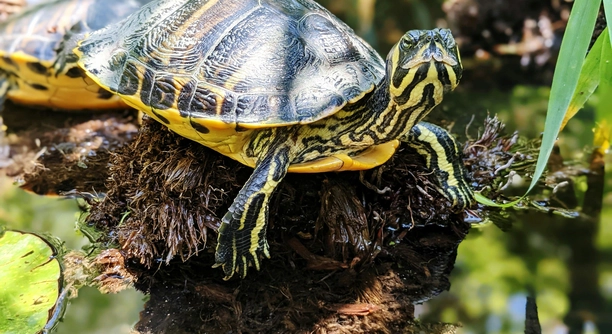
Yellow-bellied sliders can bring many benefits when added to a pond. These turtles are not only fascinating to observe but also contribute positively to the ecosystem of the water body. Here are seven reasons why they are great additions.
Yellow-bellied sliders help maintain pond health by controlling algae, snails, and other pests. They contribute to water clarity and balance by eating unwanted organisms, promoting biodiversity, and even aiding in the overall cleanliness of the pond environment.
Their presence can help keep the pond ecosystem thriving, benefiting both the turtles and other creatures in the pond.
Maintaining Pond Health
Yellow-bellied sliders help regulate the balance in your pond. They naturally control the population of snails, insects, and small aquatic pests. By keeping these pests in check, they reduce the chances of excessive algae growth and promote better water clarity. In addition, their diet can help prevent overgrowth of certain plant species, ensuring the pond remains clean and balanced. The turtles also scavenge decaying organic material, which further reduces the buildup of unwanted debris. This contributes to a healthier pond environment and encourages biodiversity, benefiting all species within the pond. Their presence serves as a natural way of keeping the ecosystem in equilibrium.
These turtles, when added to the pond, play a significant role in the ongoing maintenance of a balanced aquatic environment. Their consistent activity prevents the growth of harmful algae and helps keep the ecosystem healthy.
Having them in the pond can reduce the need for excessive chemical treatments. Instead, you can rely on the natural balance they help create. Their foraging habits are also beneficial for controlling pond plant growth, especially around the edges. By eating invasive aquatic plants, yellow-bellied sliders help prevent these plants from overtaking the area. This reduces the amount of maintenance needed and keeps the pond aesthetically pleasing. The turtles also help keep the overall water quality in check by maintaining a healthy food chain and controlling the population of smaller aquatic organisms.
Keeping the Pond Clean
These turtles also serve as natural cleaners for your pond. They eat decaying organic matter, helping break down debris in the water.
Yellow-bellied sliders will often feed on fallen leaves, algae, and plant material. By doing this, they reduce the accumulation of waste that would otherwise contribute to water pollution and poor water quality. This creates a more enjoyable environment for other pond inhabitants.
Boosting Pond Aesthetics
Yellow-bellied sliders can enhance the visual appeal of your pond. Their graceful movements and colorful appearance add to the overall beauty of the aquatic setting. Watching them glide through the water can be a relaxing experience, providing both a natural touch and a lively atmosphere to the pond.
The turtles are often found basking on rocks or logs, which adds an interesting focal point to the pond’s landscape. Their basking spots give a natural, serene look to the environment while also providing the turtles with the heat they need to regulate their body temperature. This can help make the pond appear more dynamic and alive.
While yellow-bellied sliders may not always be the center of attention, their presence adds a subtle, yet significant, improvement to the overall aesthetics. Their movements in the water are graceful, and the way they interact with their environment adds a layer of natural beauty. Over time, these turtles will blend into the ecosystem and become an integral part of the pond’s visual appeal.
Supporting Biodiversity
By introducing yellow-bellied sliders, you promote a more diverse ecosystem. These turtles coexist with various other species and contribute to the balance of the pond.
The presence of sliders can support a broader range of plant and animal life. Their diet helps regulate populations of small pests, like snails and insects, which can otherwise overrun the pond. This allows native plants to thrive and ensures a more stable and resilient ecosystem. The turtles also serve as prey for larger predators, contributing to the overall food chain. By supporting a healthy food web, yellow-bellied sliders help maintain the biodiversity within the pond.
Natural Pest Control
Yellow-bellied sliders help keep pests in check. Their diet consists of snails, insects, and small aquatic creatures that can harm pond plants and other wildlife. By naturally managing these pests, they prevent the pond from becoming overrun with unwanted species.
These turtles are effective in controlling populations of algae-eating snails, which are often responsible for eating aquatic plants and contributing to poor water quality. By keeping these pests under control, yellow-bellied sliders maintain a healthier pond environment. Their presence ensures that the balance of the pond ecosystem is not disrupted by uncontrolled pest populations.
Reducing Maintenance Efforts
Having yellow-bellied sliders in your pond reduces the need for constant maintenance. Their ability to manage pests and organic matter helps keep the pond cleaner for longer.
With fewer algae and pests, you won’t need to use as many chemicals to maintain water quality. These turtles naturally keep the ecosystem balanced, reducing the time spent on upkeep and ensuring the pond remains vibrant with minimal effort.
FAQ
How many yellow-bellied sliders should I have in my pond?
The number of yellow-bellied sliders depends on the size of your pond. Generally, one to two turtles per 100 square feet of water is a good guideline. This ensures they have enough space to move around, bask, and forage. Overcrowding can lead to competition for resources like food and basking spots, so it’s important to monitor their population and make adjustments as needed.
What do yellow-bellied sliders eat in a pond?
Yellow-bellied sliders are omnivores, meaning they eat both plant and animal matter. In a pond, they typically eat aquatic plants, insects, snails, and small fish. Their diet helps control the population of pests like snails and algae-eating creatures, keeping the pond ecosystem balanced. It’s important to allow them to forage naturally instead of feeding them excessive amounts of prepared food.
Do yellow-bellied sliders need a basking area?
Yes, yellow-bellied sliders need a basking area to regulate their body temperature. Turtles are cold-blooded and rely on external heat sources to warm up. A floating dock, rock, or log in the pond can serve as a basking area where the turtles can sunbathe. Providing this space is essential for their health, as it allows them to dry off, warm up, and maintain proper metabolism.
Can yellow-bellied sliders live with other pond animals?
Yellow-bellied sliders can coexist with various pond animals, but it’s important to choose compatible species. They may interact with fish, frogs, and other small aquatic creatures. However, larger fish or aggressive species may pose a threat to the turtles. It’s essential to monitor interactions and ensure that the turtles aren’t being stressed or outcompeted for resources.
Do yellow-bellied sliders hibernate in the winter?
Yes, yellow-bellied sliders hibernate during the colder months. When the water temperature drops below 50°F (10°C), they become less active and enter a state of brumation. During this period, their metabolism slows down, and they may bury themselves in the mud at the bottom of the pond. If you live in an area with harsh winters, make sure the pond is deep enough for them to safely hibernate.
How do I maintain the pond water quality for yellow-bellied sliders?
Maintaining water quality for yellow-bellied sliders involves regular cleaning and monitoring of the pond’s ecosystem. Ensure the pond is large enough to provide proper filtration and that debris, such as fallen leaves, is removed. Adding aquatic plants can help maintain water balance, as they absorb excess nutrients. Avoid using harsh chemicals in the pond, as these can harm both the turtles and the surrounding wildlife. Regularly check the water’s pH and temperature to ensure it remains in a healthy range.
Are yellow-bellied sliders easy to care for in a pond?
Yellow-bellied sliders are relatively low-maintenance once their basic needs are met. Providing them with enough space, a proper basking area, and a clean environment will help them thrive. They are natural foragers and will help control pests in the pond. However, it’s important to ensure they have access to clean, well-maintained water, and avoid overcrowding. Regular monitoring will keep the pond and its inhabitants healthy.
Do yellow-bellied sliders breed in ponds?
Yes, yellow-bellied sliders can breed in ponds, but only under the right conditions. Female turtles typically lay their eggs on land near the pond, in sandy or soil-based areas. The eggs are buried, and once they hatch, the baby turtles make their way to the water. If you have a pond with a suitable environment, there is a chance they will breed. However, you may want to ensure the pond has proper space for both adult and baby turtles.
What is the lifespan of yellow-bellied sliders in a pond?
In a pond with good care and conditions, yellow-bellied sliders can live for over 30 years. Their lifespan is influenced by factors such as water quality, food availability, and predator presence. In the wild, these turtles may face challenges, but in a well-maintained pond, they can thrive for many decades.
Do I need to provide extra food for yellow-bellied sliders?
Yellow-bellied sliders are excellent foragers and can typically find enough food in a pond, especially if it has a healthy ecosystem. While it’s not necessary to provide extra food, you can supplement their diet with turtle pellets, leafy greens, or insects if the pond’s natural food supply is limited. It’s important not to overfeed, as this can lead to poor water quality and health issues for the turtles.
Can yellow-bellied sliders live in a small pond?
While yellow-bellied sliders can survive in small ponds, a larger pond is ideal for them to thrive. A small pond may not provide enough space for them to forage, bask, or move around freely. It’s important to ensure that the pond is deep enough for the turtles to safely hibernate in the winter and large enough to accommodate their growth. If you have a small pond, you may need to closely monitor water quality and provide additional resources for them.
Final Thoughts
Yellow-bellied sliders can be a valuable addition to your pond, offering benefits like natural pest control and reducing the need for constant maintenance. These turtles contribute to the health of the pond by eating algae, snails, and other small pests that might otherwise overrun the ecosystem. Their presence can help keep your pond cleaner without the use of chemicals or excessive effort on your part. The balance they create in their environment also supports the wellbeing of other pond inhabitants, making the entire ecosystem more sustainable.
While they are relatively low-maintenance, yellow-bellied sliders do require some basic care to thrive in a pond. Ensuring that the pond has proper space, a basking area, and clean water will support their health and wellbeing. They naturally forage for food and help maintain the balance by eating pests. However, it’s important to keep an eye on their population to avoid overcrowding and to ensure they are not outcompeted for resources. Regular monitoring of water quality and temperature is essential, especially when considering their long lifespan.
Overall, yellow-bellied sliders are a good choice for those looking to enhance the health of their pond with minimal effort. By providing the right environment, they can live comfortably and contribute to the overall balance of the pond ecosystem. With the right care and space, they will not only benefit your pond but also provide years of enjoyment. Their natural behaviors and easygoing nature make them an appealing option for pond owners who want a cleaner, more sustainable aquatic environment.

Hello,
If you enjoy the content that we create, please consider saying a "Thank You!" by leaving a tip.
Every little bit helps us continue crafting quality advice that supports the health, happiness, and well-being of pets around the world, for pets of all shapes, sizes, and species.
We really appreciate the kindness and support that you show us!