
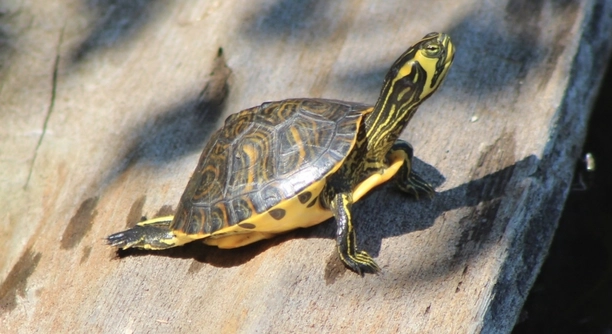
Yellow-Bellied Sliders need proper care, and UVB light is essential for their health. However, it can sometimes be difficult to get them to bask under it, which might leave you wondering why your turtle avoids it.
Turtles avoid UVB light for various reasons, including fear, environmental factors, or health issues. If they find the light too harsh or uncomfortable, they may avoid basking under it. Other factors could include stress or an inadequate setup.
By understanding the reasons behind this behavior, you can make adjustments to help your turtle enjoy the UVB light. This will lead to a happier, healthier pet.
Reasons for Avoidance
Yellow-Bellied Sliders may avoid UVB light for a number of reasons. First, it’s important to consider their natural habitat. In the wild, they often bask in the sun for warmth and to absorb UVB rays. However, they also have the freedom to choose when and where to bask. In a tank setup, your turtle may feel confined or unsure about the new environment, leading to avoidance of the UVB light.
Another reason could be the intensity of the light. Some turtles are more sensitive to bright light, especially if it’s too close or too strong. The distance of the UVB light and the wattage used in the bulb can make a difference in how comfortable your turtle feels.
Turtles are also creatures of habit. If they have never had consistent access to UVB light or have been kept in poor lighting conditions in the past, they may be hesitant to use it now, even if it’s provided.
Tank Setup
The tank setup plays a crucial role in whether or not your turtle will use the UVB light. If the area where the light is placed is too far from the basking spot, your turtle might not feel the need to get close to it. Turtles require a specific temperature range for basking, and UVB light helps them regulate that.
If the water temperature is too cold, your turtle may be more focused on warming up rather than basking. Additionally, if there are too many hiding spots or obstacles, your turtle may feel safer staying out of view, avoiding the light.
Stress Factors
Stress is another key factor when it comes to UVB light avoidance. If your turtle is stressed by changes in its environment, such as a new tank, new tank mates, or loud noises, it may not be interested in basking. Stress can cause your turtle to become more withdrawn, affecting its behavior, including basking habits.
Sliders are sensitive to their environment, and even small changes can have a big impact. Lighting, humidity, and even the presence of too much activity around their tank can stress them out. It’s important to create a peaceful space where your turtle can feel safe to bask under the UVB light without added pressure from its surroundings.
Health Concerns
If your turtle is experiencing health issues, it could avoid basking under UVB light as a result of pain or discomfort. Shell issues, such as shell rot or infections, can make it harder for your turtle to get comfortable enough to bask. Similarly, parasites or illnesses can cause a lack of energy and interest in basking.
A turtle that is not feeling well may also not have the same instinct to bask, which can hinder its ability to absorb the UVB rays. If you suspect a health problem, it’s essential to consult with a reptile vet to rule out any potential issues and ensure proper care.
UVB Light Quality
Not all UVB lights are the same. Some bulbs lose their effectiveness over time, especially if they are not replaced regularly. UVB bulbs have a limited lifespan, and after about 6-12 months, their ability to emit the necessary UVB rays can decline, even if the light still looks on.
If the bulb you are using is old or low-quality, it may not be providing enough UVB exposure for your turtle to feel comfortable basking under it. It’s important to replace bulbs according to the manufacturer’s recommendation. Additionally, ensure the UVB light provides the correct wavelength (usually UVB 5.0 or 10.0) for reptiles.
Light Placement
Where you place your UVB light matters more than you may realize. The distance between the bulb and your turtle’s basking spot needs to be correct. Too far, and your turtle won’t get enough UVB exposure; too close, and it may be too intense, leading your turtle to avoid it altogether.
A good rule of thumb is to position the light about 6-12 inches above the basking spot, depending on the strength of the bulb. This allows the turtle to receive the proper amount of UVB without the light becoming overwhelming. Adjust the light placement as needed to ensure your turtle gets the optimal exposure.
UVB Light and Temperature
UVB light is most effective when combined with the proper temperature in the basking area. Turtles require a specific range of temperatures to feel comfortable and healthy, generally between 85-90°F for basking. If the basking area is too cool, your turtle may avoid basking altogether, even under the UVB light.
Ensure your basking area is equipped with both UVB and heat sources to maintain the proper temperature range. Turtles depend on this warmth not only for comfort but also for digestion and overall metabolic function. If these conditions aren’t met, your turtle might just stay in the cooler water, avoiding the UVB light.
Environmental Changes
Any significant changes in your turtle’s environment can make it feel uneasy, including sudden shifts in light or tank setup. If the UVB light is newly introduced or adjusted, your turtle might need time to adjust to the change.
In such cases, give your turtle some time to explore the new setup. If possible, create a gradual transition to avoid overwhelming it. It’s also helpful to monitor your turtle’s behavior during this adjustment phase to ensure it’s settling in well. Reducing other stressors, such as loud noises or heavy movement around the tank, can also encourage your turtle to bask under the light.
UVB Light Duration
The duration your turtle is exposed to UVB light is just as important as its intensity. Too little exposure can result in insufficient vitamin D3 production, which affects calcium absorption and overall health. However, too much UVB light can cause stress or skin issues.
Turtles typically need around 10-12 hours of UVB light each day. Make sure the light is on for this duration, mimicking a natural day-night cycle. You can use a timer to ensure consistency, making it easier for your turtle to adjust to its environment and bask properly.
Tank Size and Space
The size of your turtle’s tank can affect its comfort level with the UVB light. A cramped environment can cause stress, making your turtle less likely to bask under the light. If your turtle feels trapped or unable to move freely, it might avoid basking altogether.
Ensure the tank is large enough for your turtle to swim around, find hiding spots, and comfortably bask under the UVB light. An adequately sized tank also allows better airflow, temperature regulation, and reduces the chance of stress or discomfort.
Health and Behavior Monitoring
It’s essential to regularly monitor your turtle’s behavior, as it can provide important insights into its overall health and comfort. If your turtle is consistently avoiding the UVB light, it could be a sign that something is wrong. Keep track of any changes in its activity level, eating habits, or shell condition.
If you notice signs of poor health or unusual behavior, it’s a good idea to consult a vet. This can help ensure your turtle gets the care it needs and rule out any underlying issues affecting its behavior.
FAQ
Why is my Yellow-Bellied Slider not basking under the UVB light?
There could be several reasons why your Yellow-Bellied Slider is avoiding the UVB light. It might feel stressed by environmental changes or the new light setup. Additionally, the light may be too bright or too far from its basking spot. Ensure that the UVB bulb is strong enough and placed at the correct distance (usually 6-12 inches from the basking area). If the turtle is ill or uncomfortable, it may also avoid basking. In such cases, check for any health concerns, such as shell rot or parasites.
How can I make my turtle comfortable with the UVB light?
To make your turtle feel more comfortable with the UVB light, start by placing the light at an appropriate distance from the basking spot. Gradually introduce it into their environment, especially if it’s a new addition. Create a comfortable basking area with the right temperature (85-90°F) and allow your turtle time to adjust. Keeping the environment peaceful and free from stress will encourage your turtle to bask under the light.
Is the UVB light too harsh for my turtle?
It’s possible that the UVB light is too harsh, especially if it’s too close or too powerful for your turtle. The light intensity should be just right for your turtle to bask comfortably without causing discomfort. Try adjusting the light’s distance or reducing its strength if necessary. Consider using a lower wattage bulb or a bulb designed for reptiles that are less sensitive to strong light.
How do I know if my UVB light is working properly?
UVB lights lose their effectiveness over time, so it’s important to replace them regularly. Most UVB bulbs should be replaced every 6-12 months, depending on the brand. If you’re unsure, use a UVB meter to check the output of the bulb. Additionally, if your turtle is still avoiding basking under the light after you’ve adjusted the setup, it may be a sign that the light is not providing enough UVB exposure.
What if my turtle isn’t getting enough UVB light?
If your turtle isn’t getting enough UVB light, it can lead to serious health problems like metabolic bone disease, shell deformities, and weakened immune function. Make sure the light is on for 10-12 hours a day and that it’s positioned correctly above the basking spot. If your turtle avoids the UVB light, consider checking the setup and ensuring the light’s intensity and placement are correct. You can also use a calcium supplement in their diet to help, but natural UVB exposure is the most effective way to prevent deficiencies.
How can I reduce stress for my Yellow-Bellied Slider?
Stress can cause your turtle to avoid basking, including under the UVB light. To reduce stress, ensure your turtle has a calm, quiet environment. Avoid loud noises or sudden movements around the tank. Make sure the tank is large enough for the turtle to move freely and has plenty of hiding spots. A stable temperature, proper filtration, and good tank hygiene are also essential for a healthy environment.
Can my turtle have too much UVB exposure?
Yes, excessive exposure to UVB light can lead to skin or eye damage and cause stress. However, this is rare as long as you provide the proper light duration (around 10-12 hours daily) and the correct distance between the light and the basking area. If your turtle is exposed to UVB light for too long or the light is too strong, it might avoid basking, which is its way of avoiding harm.
How often should I replace the UVB bulb?
UVB bulbs lose their effectiveness over time, even if they still appear to be working. It’s recommended to replace UVB bulbs every 6-12 months, depending on the type and brand. Some bulbs are more durable than others, but consistent UVB exposure is crucial for your turtle’s health. Regularly check the output of the bulb to make sure it’s still providing the necessary UVB rays.
Why does my turtle avoid basking in the sun?
Your turtle might avoid basking in the sun if it feels uncomfortable, stressed, or threatened by its surroundings. If it’s not used to the outdoor environment, it may also feel exposed or unsafe. Ensure that the area where the turtle basks is quiet, warm, and free from potential predators or disturbances. If your turtle still avoids basking outdoors, it could be due to personal preferences or health issues, in which case you should consult a vet.
Can water temperature affect UVB basking?
Yes, water temperature can affect your turtle’s basking habits. If the water temperature is too cold, your turtle might prefer staying in the water to regulate its body temperature rather than basking under the UVB light. Keep the water temperature between 75-80°F to encourage basking. Additionally, ensure the basking area is warm enough to attract your turtle to bask. A temperature gradient will give your turtle options for both swimming and basking.
Should I use a UVB light in addition to natural sunlight?
Natural sunlight is the best source of UVB rays for your turtle, but if you’re unable to provide natural sunlight for most of the day, using a UVB light in your turtle’s tank is essential. UVB light is necessary for proper calcium absorption and overall health, so if you don’t have access to sunlight, the UVB light should be a reliable alternative. Just make sure the artificial UVB light is positioned correctly, with the proper duration, to meet your turtle’s needs.
What should I do if my turtle is not eating after avoiding UVB light?
A loss of appetite in turtles could be related to stress, illness, or improper basking conditions. If your turtle avoids the UVB light and refuses to eat, it could be a sign of discomfort or health issues. Check the tank setup, ensure that the UVB light is working properly, and assess the water temperature. If the behavior continues, consider taking your turtle to a vet to rule out health problems. Proper lighting and a stable environment are essential to encourage eating and overall well-being.
Final Thoughts
Getting your Yellow-Bellied Slider to bask under UVB light can be tricky at times, but understanding the reasons behind this behavior is the first step in addressing it. Turtles need UVB light to produce vitamin D3, which is crucial for their calcium absorption and overall health. If they avoid the UVB light, it could be due to discomfort, stress, or health problems. Sometimes the setup might not be quite right, or your turtle may simply need more time to adjust to the changes in its environment.
In many cases, adjusting the tank setup, such as moving the UVB light closer or making the basking area more comfortable, can help encourage your turtle to bask. The right temperature, proper tank size, and placement of the light are all essential factors in creating a good basking environment. Giving your turtle a peaceful, stress-free area to rest and bask in will help it feel safe and comfortable under the UVB light. It’s also important to monitor your turtle’s behavior and keep track of any changes, as health problems could be affecting its ability to bask.
Ultimately, patience is key. It may take some time for your turtle to get used to the UVB light, and small adjustments can make a big difference. If your turtle is still avoiding basking after trying different solutions, it’s worth checking in with a reptile vet to rule out health issues. Keeping your turtle’s environment as natural and stress-free as possible is the best way to ensure it stays healthy and gets the UVB light it needs.

Hello,
If you enjoy the content that we create, please consider saying a "Thank You!" by leaving a tip.
Every little bit helps us continue crafting quality advice that supports the health, happiness, and well-being of pets around the world, for pets of all shapes, sizes, and species.
We really appreciate the kindness and support that you show us!