
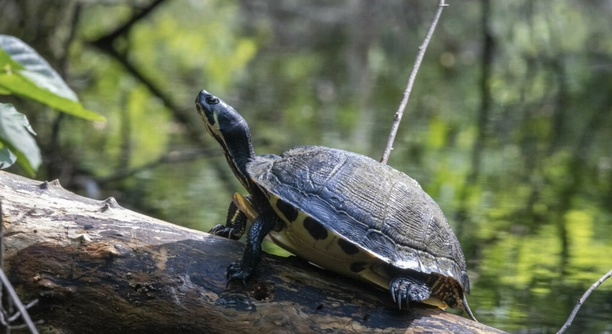
Setting up a tank for a yellow-bellied slider can be tricky, but with the right knowledge, it becomes much easier. Many people make simple mistakes that could affect their turtle’s health. Understanding these common issues is important.
Common mistakes in yellow-bellied slider tank setup often include improper lighting, inadequate space, poor water filtration, and unsuitable temperatures. These factors can lead to stress or health problems for your turtle, making it crucial to address them during setup.
By learning about these common errors, you can create a healthier and happier environment for your turtle. Proper setup ensures long-term well-being and easier care for your pet.
1. Inadequate Tank Size
Many people don’t realize how much space a yellow-bellied slider needs. These turtles grow quite large, and a tank that seems big enough for a young turtle can quickly become cramped as they mature. A small tank will not only stress your turtle, but it can also affect their health. It’s recommended to have at least 40 gallons of water for one adult turtle. This size allows them to swim freely and keeps the water cleaner for longer, reducing the need for frequent water changes. Keeping the tank clean is essential for your turtle’s health.
The proper tank size provides ample space for swimming, basking, and proper filtration. It allows your turtle to behave naturally, which is vital for their well-being.
Without enough space, turtles may become more aggressive, develop shell deformities, or experience stunted growth. Their overall health can deteriorate, leading to possible infections or other issues. A larger tank also gives them more opportunities to interact with their environment, helping them stay mentally stimulated.
2. Incorrect Lighting and Heat
Proper lighting and heating are essential for a yellow-bellied slider’s health. Without the right combination of UVB and heat, your turtle can suffer from weakened bones, shell deformities, and other health issues. They need both a heat lamp and a UVB light to ensure they get the right nutrients from the sun. Without UVB, turtles can’t synthesize vitamin D3, which is critical for calcium absorption.
A basking area with proper heat allows your turtle to regulate its body temperature. Turtles need warmth to digest food and remain active. An area with temperatures between 85°F and 90°F for basking, with cooler water temperatures between 75°F and 80°F, will ensure your turtle stays healthy. Regularly check the lights to ensure they are functioning correctly. Over time, UVB lights lose their effectiveness, and heat bulbs can burn out.
A timer for both lights ensures a consistent day-night cycle, which supports their natural behavior. Maintaining correct temperatures and lighting prevents stress and supports your turtle’s immune system, allowing them to thrive.
3. Poor Water Filtration
Water quality is essential for a healthy yellow-bellied slider. Without proper filtration, the water can quickly become dirty, leading to bacterial growth and poor water conditions. Turtles produce a lot of waste, which can overwhelm a weak filter.
Investing in a good filtration system ensures that the water stays clean and your turtle avoids exposure to harmful toxins. Choose a filter that can handle a tank’s volume and is rated for aquatic reptiles. Remember that even with a filter, regular water changes are still necessary to keep the environment safe and healthy.
The filter should also be cleaned regularly to ensure it runs efficiently. A clogged filter can cause dirty water to build up quickly. If you neglect this aspect of tank care, your turtle could develop skin issues or infections. Keeping the water clean helps maintain a healthier environment for your turtle and reduces the likelihood of disease.
4. Overcrowding
Overcrowding a tank with too many turtles or other pets can stress out your yellow-bellied slider. This can cause territorial behavior and fighting. Each turtle needs its space to swim, bask, and eat without competition.
Even if the tank size seems adequate, adding too many animals can lead to high waste levels and water quality problems. Space is essential for healthy, happy turtles. With multiple turtles, it’s especially important to have a large tank and monitor water conditions more carefully. Overcrowding can lead to diseases or injuries, especially if the animals fight for resources.
Additionally, overcrowding can cause stress, which weakens a turtle’s immune system and affects overall health. It’s better to have one or two turtles in a properly sized tank than risk overcrowding. Keeping the tank population low ensures that each pet gets enough attention and space to thrive.
5. Unbalanced Diet
Feeding your yellow-bellied slider the wrong diet can lead to malnutrition and health problems. They require a balanced mix of protein, vegetables, and occasional fruit. Overfeeding them with only one type of food, like pellets, can cause long-term health issues.
An unbalanced diet often results in weak bones, poor shell growth, and digestive problems. Make sure to offer a variety of foods like leafy greens, shrimp, and occasional fish. Too much protein can lead to kidney issues, while too many vegetables can cause vitamin deficiencies.
Provide the right portions to prevent overfeeding or underfeeding. Balance is key to a long and healthy life for your turtle.
6. Improper Substrate
Choosing the wrong substrate or not using one at all can cause problems. A substrate can help maintain tank cleanliness, provide a natural environment, and prevent the build-up of waste. Gravel, sand, or non-toxic aquarium-safe substrates are best.
A substrate that’s too small, like sand, can be accidentally ingested by your turtle. This can lead to digestive problems. Avoid using substrates that are too rough or sharp as well, as they may scratch or harm your turtle’s delicate skin.
7. Neglecting Regular Maintenance
Regular tank maintenance is crucial for your turtle’s well-being. It’s easy to get lazy about water changes or cleaning, but neglecting this can cause harmful bacteria to build up. A clean tank helps prevent illness and keeps your turtle’s environment safe.
Test water parameters regularly, such as pH levels, ammonia, and nitrate levels, to ensure they stay within the proper range. Regularly scrub the tank’s walls, check filters, and remove any uneaten food.
FAQ
How often should I clean my yellow-bellied slider’s tank?
You should clean your turtle’s tank at least once a week. This includes changing about 25-30% of the water, scrubbing the sides, and cleaning any decorations or rocks. A filter should be maintained regularly to ensure the water stays clean. Regular cleaning helps prevent bacteria buildup and ensures a healthy environment for your turtle. If you have a large tank or multiple turtles, more frequent water changes may be necessary to maintain good water quality.
What is the ideal water temperature for a yellow-bellied slider?
The water temperature should be between 75°F and 80°F. This range allows your turtle to stay comfortable and healthy. It’s important to have a thermometer in the tank to monitor the water temperature regularly. If the water gets too cold, your turtle could become sluggish and lose appetite. A good aquarium heater can help keep the water at the right temperature if your room gets cold.
Do yellow-bellied sliders need a basking area?
Yes, yellow-bellied sliders need a basking area to dry off and regulate their body temperature. The basking spot should be kept between 85°F and 90°F, providing a warm area where your turtle can rest and absorb UVB rays. The basking platform should be easily accessible, allowing your turtle to get out of the water and bask when needed.
How long do yellow-bellied sliders live?
Yellow-bellied sliders can live for 20-30 years, sometimes even longer in captivity when properly cared for. Their lifespan depends on their living conditions, diet, and overall care. A well-maintained tank with the right lighting, temperature, and water quality can help your turtle live a long, healthy life. Keeping a consistent routine and paying attention to their health needs are key to longevity.
How much should I feed my yellow-bellied slider?
You should feed your yellow-bellied slider every day when they are young, and around every other day when they reach adulthood. Offer a balanced diet that includes protein sources like insects or shrimp, leafy greens like kale or collard greens, and occasional fruits. Be sure to provide food in small amounts, enough for your turtle to eat within 10-15 minutes, as leaving uneaten food in the tank can cause water quality issues.
What kind of lighting does my yellow-bellied slider need?
Yellow-bellied sliders need both UVB lighting and a heat lamp. UVB light helps them produce vitamin D3, which is essential for calcium absorption and shell health. Place the UVB light over the basking area to ensure your turtle gets enough exposure. The heat lamp helps maintain the basking area temperature and allows your turtle to warm up and digest food properly. Replace UVB bulbs every 6-12 months, even if they still produce light, as their effectiveness decreases over time.
Can I keep more than one yellow-bellied slider in the same tank?
Yes, you can keep multiple yellow-bellied sliders together, but you need to ensure that your tank is large enough. For each adult turtle, you need at least 40 gallons of water. More turtles will require more space to prevent stress, fighting, and overcrowding. If you do keep multiple turtles, monitor them for any signs of aggression, as they can become territorial. It’s essential to provide enough space, food, and basking spots for each turtle.
What should I do if my yellow-bellied slider isn’t eating?
If your turtle isn’t eating, first check the water temperature and overall tank environment. Stress, poor water quality, and incorrect temperatures can affect appetite. Make sure your turtle has a proper basking area and lighting. If your turtle still isn’t eating after addressing these factors, try offering different types of food to see what they prefer. If the problem persists, it may be a sign of illness, and you should consult a vet who specializes in reptiles.
How can I tell if my yellow-bellied slider is sick?
Signs that your yellow-bellied slider may be sick include a loss of appetite, lethargy, abnormal swimming, shell rot, swelling, or discharge from the eyes or nose. Changes in behavior or appearance should be taken seriously. If you notice any of these symptoms, it’s best to consult a veterinarian experienced with reptiles as soon as possible. Early intervention is key to preventing serious health problems.
How can I make sure my yellow-bellied slider’s shell stays healthy?
To keep your turtle’s shell healthy, provide proper lighting, a balanced diet, and a clean tank. UVB light helps them absorb calcium, which is vital for shell growth. A calcium supplement may also be beneficial, especially if your turtle isn’t getting enough from food. Avoid keeping your turtle in poor water conditions, as dirty water can lead to shell rot and other infections. Ensure that your turtle has enough space to swim and bask properly.
Final Thoughts
Setting up a proper tank for a yellow-bellied slider can seem overwhelming at first, but once you understand the essentials, it becomes much easier to provide a healthy and comfortable home for your turtle. From choosing the right tank size to ensuring the correct lighting and water temperature, each step is crucial for your turtle’s well-being. It’s important to keep their environment clean, offer a balanced diet, and monitor their health regularly to prevent any issues. With some effort and attention to detail, your turtle can thrive in its new habitat.
While it might take time to get everything just right, the effort will pay off. Yellow-bellied sliders can live for many years if cared for properly. Regular maintenance is key to keeping the tank in good condition, ensuring that the water stays clean, and that your turtle stays healthy. A proper tank setup will not only make your turtle feel at home but will also reduce the chances of illness and stress. The right setup ensures that your turtle can swim, bask, and feed in a safe and stimulating environment.
By avoiding common mistakes, such as improper tank size, incorrect lighting, or an unbalanced diet, you can create an environment where your turtle feels comfortable and happy. Your turtle’s long-term health depends on these details, so take the time to get it right. Understanding their needs and making small adjustments when necessary will help you build a lasting relationship with your turtle and provide them with the best care possible.

Hello,
If you enjoy the content that we create, please consider saying a "Thank You!" by leaving a tip.
Every little bit helps us continue crafting quality advice that supports the health, happiness, and well-being of pets around the world, for pets of all shapes, sizes, and species.
We really appreciate the kindness and support that you show us!