
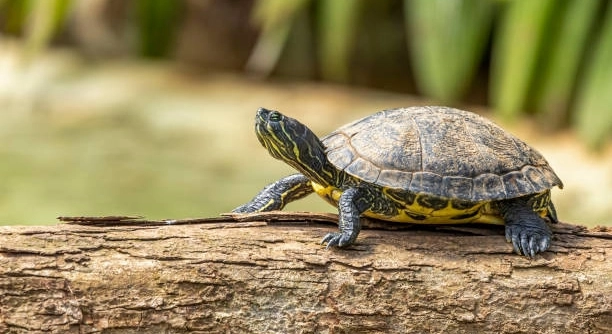
Yellow-bellied sliders are fascinating creatures that can often be seen basking in the sun or gliding through the water. Their unique behavior and vibrant appearance make them a popular subject of interest among reptile enthusiasts and nature lovers alike.
Yellow-bellied sliders are freshwater turtles native to the southeastern United States. These turtles are known for their yellow markings on the belly and their adaptability to various habitats, including ponds, lakes, and slow-moving rivers.
There is much more to learn about these turtles, from their diet and lifespan to their interesting social behavior. Keep reading to discover surprising facts about yellow-bellied sliders.
1. Their Lifespan Can Be Impressive
Yellow-bellied sliders can live a surprisingly long time, especially if they are well cared for. In the wild, these turtles often live up to 20 years, while some captive turtles have been known to live even longer with proper attention to their health and environment. The lifespan depends on various factors like diet, habitat, and general care.
The longer they live, the more they develop interesting habits. Their age also reflects their resilience and adaptability to different environments. They are particularly known for their ability to thrive in both warm and cooler climates.
In captivity, yellow-bellied sliders can outlive many other pets. If provided with the right tank size, UV light, and appropriate temperature, they can reach their maximum lifespan. It’s important to maintain proper water quality and ensure they have enough space to roam around. Many owners also feed them a variety of vegetables, fruits, and proteins to support their health, contributing to a longer, happier life.
2. They Have Unique Feeding Habits
Unlike some turtles, yellow-bellied sliders are omnivores.
Their diet consists of both plant and animal matter, which makes feeding them diverse and interesting. They will eat aquatic plants, insects, small fish, and even worms, making their diet highly adaptable to what is available in their environment. This gives them the ability to live in a variety of ecosystems, from ponds to marshes.
In captivity, it’s important to replicate their natural diet as closely as possible. While they may enjoy pellets and commercial food, many owners provide them with live food like worms, crickets, or even small fish. You should also offer leafy greens like kale or dandelion greens. Balanced meals keep them healthy and active. Some owners even create small “snack time” rituals where their turtle eagerly approaches, knowing what’s to come. This allows both the turtle and owner to form a deeper connection while keeping the turtle satisfied.
3. They Can Live in a Variety of Habitats
Yellow-bellied sliders are adaptable and can live in different environments. From still ponds to slow-moving rivers, they are found in a wide range of freshwater habitats. They prefer areas with soft mud or sandy bottoms, where they can bask in the sun and hide easily.
In the wild, they usually seek out places with shallow water and plenty of sun. Basking is important for them, as it helps regulate their body temperature and absorb UV rays, which are essential for shell and bone health. This is why they are often seen resting on rocks or logs.
While yellow-bellied sliders are versatile, they do need clean water to thrive. Polluted environments can shorten their lifespan and affect their health. In captivity, it’s important to maintain clean water, offer basking spots, and ensure the temperature remains consistent to mimic their natural surroundings.
4. They Are Excellent Swimmers
Yellow-bellied sliders are naturally gifted swimmers.
Their webbed feet and streamlined body design help them glide through the water with ease. These turtles spend most of their time swimming, especially during the warmer months. They use their strong back legs to propel themselves while their front legs act like paddles.
In addition to swimming, yellow-bellied sliders can dive underwater for long periods to escape predators or find food. They have the ability to hold their breath for several minutes, making them skilled at hiding and foraging. This diving ability makes them well-suited to their aquatic lifestyle, allowing them to stay safe while searching for food sources.
In a tank setting, they’ll need space to swim around freely. Ensuring that they have enough room to swim and dive will help them maintain their natural behaviors and keep them healthy. Keeping the water clean is crucial, as it affects their swimming and overall well-being.
5. They Can Be Quite Social
Yellow-bellied sliders are not solitary creatures. They often interact with other turtles and animals within their environment. While they can tolerate some level of competition for food, they generally coexist peacefully.
In the wild, they bask together in groups and sometimes even share space in the water. They are known to communicate through subtle body movements and vocalizations, signaling their presence to others. This social behavior is most evident when they cluster in the sun or during feeding times.
In captivity, they tend to get along with other turtles as long as there’s enough space and resources. It’s important to monitor them during feeding to ensure they don’t become overly territorial, as they can get competitive over food. Despite this, their social nature is evident, especially when they are well cared for and housed in suitable environments.
6. They Are Great at Basking
Basking is a vital activity for yellow-bellied sliders.
These turtles spend a lot of time basking in the sun, either on rocks, logs, or floating platforms. This is not just for relaxation, but it helps them regulate their body temperature and promotes the production of essential vitamins.
When basking, yellow-bellied sliders can absorb UVB rays that help synthesize vitamin D3, which is crucial for shell and bone health. In the wild, they often seek spots with full sun exposure, moving between shaded and sunny areas to maintain the right temperature. Basking also provides them with the opportunity to dry off after swimming, keeping their shells free from harmful bacteria and fungus.
7. They Can Be Messy Eaters
Yellow-bellied sliders are known for their messy eating habits.
When feeding, they tend to scatter food around their tank or habitat, making a bit of a mess. Whether it’s vegetables, fruits, or animal matter, food particles can get lodged in the substrate or water. This behavior can create a mess if not cleaned up regularly.
In the wild, they might be seen eating near the water’s edge, often leaving food remnants behind. These food scraps can attract other animals or cause slight pollution in the water. In captivity, owners must ensure that food is carefully monitored to maintain water quality and prevent contamination.
FAQ
How can I tell if my yellow-bellied slider is healthy?
A healthy yellow-bellied slider should have clear eyes, smooth skin, and an active appetite. Their shell should be free of cracks, sores, or abnormal growths. Check if they are moving around, swimming, and basking regularly. If the turtle is lethargic, has abnormal skin shedding, or is not eating, it may indicate a health issue, and a visit to the vet is necessary.
What should I feed my yellow-bellied slider?
Yellow-bellied sliders eat a variety of foods. In captivity, a balanced diet includes leafy greens like kale, dandelion greens, and water plants. You can also offer small amounts of fruits like strawberries and apples. For protein, feed them insects, worms, or small fish. Commercial pellets can also be used but should not be the main food source. Offering a mix of vegetables, fruits, and protein is the best way to ensure they get all the nutrients they need.
How often should I feed my yellow-bellied slider?
Young yellow-bellied sliders need to be fed more frequently than adults. A juvenile turtle may require daily feeding, while an adult should be fed every other day. Overfeeding can lead to obesity, so it’s important to provide food in appropriate amounts. Always remove uneaten food from the tank to prevent contamination of the water.
How much space does my yellow-bellied slider need?
Yellow-bellied sliders require plenty of space to swim and bask. For one turtle, the minimum recommended tank size is 40 gallons, with more space needed for additional turtles. The tank should have both deep water for swimming and a dry basking area for sun exposure. Providing ample space helps to keep your turtle healthy and reduces territorial behavior.
Can yellow-bellied sliders live with other pets?
While yellow-bellied sliders can live with other turtles of the same species, they may not always get along with other types of pets. If you are considering housing them with fish or other aquatic creatures, make sure the turtles are not aggressive and won’t harm them. It’s important to monitor interactions, especially at feeding times. If kept with other turtles, ensure there is enough space to avoid territorial conflicts.
How can I maintain the water quality in my turtle tank?
Maintaining clean water is crucial for the health of your yellow-bellied slider. You can achieve this by using a quality filter to keep the water clear and reducing waste buildup. Perform partial water changes regularly, about 25-30% every 1-2 weeks, depending on tank size and the number of turtles. Monitor water temperature and pH levels to ensure they are within the appropriate range. Avoid overfeeding, as leftover food can quickly degrade water quality.
What is the ideal temperature for my yellow-bellied slider’s tank?
The water temperature should be kept between 75°F and 85°F (24°C to 29°C), and the basking area should be around 90°F (32°C). Providing a consistent temperature helps regulate your turtle’s metabolism and encourages natural behaviors, such as basking. A water heater is useful for maintaining proper temperature, especially in colder climates. Use a thermometer to monitor both the water and basking area temperatures.
How do I know if my yellow-bellied slider is stressed?
A stressed yellow-bellied slider may exhibit signs like swimming in circles, hiding more than usual, or refusing food. Stress can also cause them to become more aggressive or overly territorial. Common stressors include poor water quality, inadequate basking areas, incorrect temperatures, or a tank that is too small. Check for these factors and make necessary adjustments to improve their environment.
Do yellow-bellied sliders need UVB light?
Yes, yellow-bellied sliders need UVB light to help them produce vitamin D3, which is essential for healthy bones and shell growth. In captivity, UVB bulbs should be provided if your turtle cannot get direct sunlight. Replace the UVB bulb every 6-12 months, as its effectiveness decreases over time, even if the light still works.
How can I encourage my yellow-bellied slider to bask?
To encourage basking, create a comfortable, warm area where your turtle can dry off after swimming. Place rocks or floating platforms for them to rest on. Make sure the basking area is well-lit and has the right temperature. Regular exposure to UVB light is essential for their health, and they will naturally seek out this area if it is set up properly. Ensure the basking spot is easy for the turtle to climb onto.
Are yellow-bellied sliders noisy?
Yellow-bellied sliders are generally quiet creatures. They do not vocalize like some other pets but may make some noise while swimming or eating. However, they do not produce constant sounds and are typically not disruptive. The most noise you may hear is the splash of water as they move around their tank.
Final Thoughts
Yellow-bellied sliders are fascinating creatures that can make great pets when cared for properly. They are known for their bright yellow markings, their ability to adapt to different environments, and their active lifestyles. With the right care, they can live for many years and bring joy to those who keep them. However, it’s important to remember that they require a proper habitat, a balanced diet, and regular attention to stay healthy. Their needs should be considered carefully to ensure they thrive in a home environment.
Caring for a yellow-bellied slider involves more than just feeding and providing water. Their tank setup should include enough space for swimming and basking, with clean water and UVB light. These turtles also need a proper diet, with a mix of vegetables, fruits, and protein. It’s important to maintain a clean and safe environment for them, as poor water quality or incorrect temperatures can lead to health problems. Regular maintenance of their tank, including water changes and cleaning, is necessary to keep them healthy.
While yellow-bellied sliders can be social and interactive, they are not high-maintenance pets once their basic needs are met. Their natural behaviors like basking, swimming, and diving are important for their overall well-being. If you’re prepared to meet their needs and provide them with the right care, a yellow-bellied slider can be a rewarding pet that lives for many years. Understanding their natural instincts and ensuring their environment is suited to those needs is key to keeping them happy and healthy.

Hello,
If you enjoy the content that we create, please consider saying a "Thank You!" by leaving a tip.
Every little bit helps us continue crafting quality advice that supports the health, happiness, and well-being of pets around the world, for pets of all shapes, sizes, and species.
We really appreciate the kindness and support that you show us!