
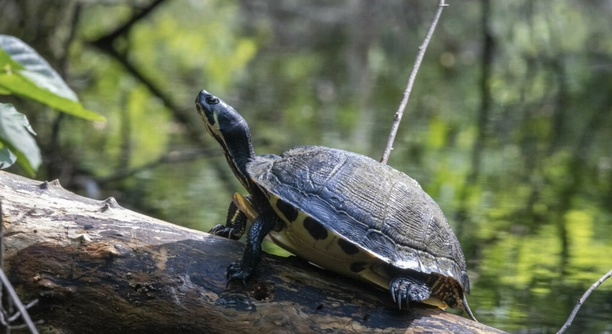
Yellow-bellied sliders are a popular species of turtle, known for their bright yellow markings. They make interesting pets, but sometimes their behavior can change unexpectedly. Recognizing these changes can help keep them healthy and happy.
Yellow-bellied sliders may exhibit behavioral changes for various reasons, such as stress, illness, or environmental changes. Observing these shifts is important in identifying when your turtle may need medical attention or adjustments to its living conditions.
Being aware of these behavioral shifts will help you understand your slider’s needs. This knowledge will ensure that you provide a suitable environment for your turtle’s well-being.
1. A Shift in Eating Habits
One of the first signs that something might be off with your yellow-bellied slider is a change in eating habits. If your turtle is suddenly eating less or avoiding food altogether, it could be a sign of stress or illness. Turtles are creatures of habit and usually have consistent feeding routines. A lack of interest in food might indicate something is wrong with their environment or health. Changes in diet can also be due to seasonal shifts, but it’s important to monitor for any patterns that are out of the ordinary. Keep an eye on what they’re eating and their behavior around mealtime.
Changes in eating habits could be a response to poor water quality, temperature fluctuations, or even the presence of new tank mates. Make sure your turtle’s habitat is clean and stable to encourage healthy eating.
Sometimes, a slight change in diet is harmless, but consistently reduced food intake should not be ignored. A well-balanced diet is essential to your turtle’s well-being, so any loss of appetite needs attention.
2. Increased Hiding Behavior
If your slider is spending more time hiding than usual, it might be dealing with something unsettling. This could be a reaction to stress, discomfort, or sickness. It’s important to monitor how often they retreat to darker or more secluded areas of their tank. Although turtles enjoy a bit of solitude, sudden changes in their desire to hide can signal trouble.
Stressors like loud noises, too many visitors, or a change in the environment can cause them to withdraw. If your slider is hiding for extended periods, check its surroundings. Make sure there are no loud disturbances, and that the temperature and lighting remain stable.
It’s also worth noting that an increase in hiding behavior could mean your turtle feels unsafe or insecure in its environment. If this persists for a few days or weeks, consider visiting a vet. Identifying the source of stress and making adjustments can help restore your slider’s normal behavior.
3. Unusual Swimming Patterns
When a yellow-bellied slider starts swimming strangely, it could be a sign of discomfort. If your turtle is swimming in circles, or having difficulty staying afloat, something might be wrong. Poor buoyancy could be due to an illness or injury, while erratic movements may indicate stress or water quality issues.
Make sure your slider’s tank is clean and the water is at the right temperature. It’s essential that your turtle has a calm environment to swim in. Water that is too dirty or too cold can affect their ability to swim normally. Check the filtration system and adjust the tank temperature as needed.
Additionally, watch for signs of shell or limb injuries. If your turtle’s swimming patterns don’t improve after adjusting its environment, it may be time to consult with a vet. Understanding these behaviors can help identify potential issues early, preventing further complications.
4. Aggressive or Territorial Behavior
Aggression in yellow-bellied sliders can happen for a variety of reasons. They may become more territorial, especially if new turtles are introduced to their tank. Aggressive behavior might include chasing, biting, or even trying to flip over another turtle. This can be concerning, as it could lead to injury.
If your slider begins showing signs of aggression, consider whether its space is being overcrowded. Too many turtles in one tank can create stress and lead to territorial disputes. In some cases, providing more hiding spots or separating the turtles can help reduce tension.
It’s important to monitor the tank and separate any turtles that seem to be fighting. Aggression can lead to injuries that may affect your slider’s health long-term. Adjust the tank environment and observe your turtle’s interactions. Make sure it feels safe and has plenty of personal space to avoid territorial issues.
5. Excessive Basking
Yellow-bellied sliders enjoy basking, but if they are spending excessive time out of the water, it may be a sign of an issue. They typically bask for warmth and to regulate their temperature, but too much basking can signal stress or an uncomfortable environment.
Check if the water temperature is suitable. If the water is too cold, your turtle may spend more time basking to keep warm. Ensure the basking area is warm enough and that the water temperature is consistent with what your turtle needs for proper health.
Excessive basking could also suggest an underlying health problem, such as shell issues or skin infections. If the behavior continues even with proper tank conditions, you may want to get a vet’s opinion.
6. Slow or Lethargic Movements
A yellow-bellied slider that moves sluggishly or remains stationary more than usual could be feeling unwell. Lack of energy and slow movement can be symptoms of illness or an improper living environment. Keep an eye on how often your turtle moves around its tank.
Lethargy may indicate water quality problems, low temperatures, or the onset of disease. Ensure the water is clean, with proper filtration, and that the basking area is at the correct temperature. If your slider seems more sluggish than usual, it’s essential to rule out environmental issues first.
7. Excessive Shedding of Skin
It’s normal for yellow-bellied sliders to shed skin occasionally. However, if your turtle is shedding excessively, it could be linked to stress or poor health. When turtles shed, they may remove skin in pieces or patches, which is part of their growth cycle.
Monitor how often your slider sheds and make sure the humidity and water conditions are ideal for its needs. Over-shedding can be caused by poor water quality or an improper temperature range. Keep the environment clean, and ensure that your turtle is receiving a balanced diet to support healthy skin shedding.
FAQ
What should I do if my yellow-bellied slider isn’t eating?
If your turtle is refusing food, first check the water conditions. Ensure the water temperature is ideal for digestion and that the tank is clean. If your slider isn’t eating for more than a few days, it might be stressed, sick, or the food may not be appealing to it. Try offering different types of food like leafy greens or high-quality pellets. Also, avoid overcrowding the tank, as that can make them feel stressed. If this continues, consult a vet to rule out any health issues.
How do I know if my turtle is sick?
Common signs of sickness in yellow-bellied sliders include lethargy, changes in eating habits, excessive basking, or unusual swimming patterns. If your turtle starts acting differently, such as not eating, hiding more than usual, or moving slowly, it may be a sign of illness. Shell abnormalities, such as soft or discolored patches, could indicate a more serious health issue like a fungal infection. If you notice these symptoms, it’s best to consult a vet experienced with reptiles to get a proper diagnosis.
Can my yellow-bellied slider be too cold?
Yes, yellow-bellied sliders are cold-blooded and rely on their environment to regulate their body temperature. If the water temperature drops too low, it can cause your turtle to become sluggish, lose appetite, or even stop moving. Ensure the water temperature stays within the recommended range (75-80°F or 24-27°C), and the basking area should be around 85-90°F (29-32°C). If the temperature is too cold, your slider may spend more time basking or become lethargic.
Why is my turtle swimming in circles?
Swimming in circles can indicate several things. It could be a sign of stress, poor water quality, or even a neurological issue. In some cases, this behavior is linked to poor tank conditions, such as dirty water or inappropriate water temperature. Check the water quality and adjust any tank settings. If the behavior continues despite environmental changes, it might be time for a vet check to rule out possible health problems like an infection or neurological disorder.
How can I improve my turtle’s environment?
A proper environment for your yellow-bellied slider includes a spacious tank, clean water, and the right temperature. Ensure the water is filtered to remove waste, and the tank is large enough for your turtle to swim freely. Provide a basking area with a UVB light to help with shell health and digestion. The water should be warm enough to allow your slider to swim comfortably but not too hot. Regular water changes are also important to maintain a healthy environment.
Why is my turtle hiding more than usual?
Hiding is a natural behavior for yellow-bellied sliders, but if your turtle is hiding more than usual, it may be stressed or unwell. Check the water quality, temperature, and any recent changes in the tank that could cause stress. Overcrowding, changes in lighting, or noise can make your turtle feel unsafe, prompting more hiding behavior. If the hiding persists, and there are no clear environmental issues, a vet visit might be needed to check for illness or injury.
Can my turtle live with other turtles?
Yellow-bellied sliders can live with other turtles, but it’s important to monitor their behavior. They can become territorial, especially if they feel overcrowded. If aggression, such as chasing or biting, occurs, it might be best to separate them to prevent injury. Make sure there are enough hiding spots and space in the tank to reduce stress. It’s also important to ensure that all turtles have access to food and basking areas to prevent competition.
How often should I clean my turtle’s tank?
It’s essential to clean your turtle’s tank regularly to maintain healthy water conditions. Perform partial water changes once a week, replacing about 25-50% of the water. This helps prevent a build-up of waste and toxins. Additionally, scrub the tank and clean the decorations every few weeks. If the water looks cloudy or smells, it’s a sign that the filtration system may need cleaning or replacement.
What should I feed my yellow-bellied slider?
Yellow-bellied sliders are omnivores, so their diet should consist of both animal and plant-based foods. Offer a variety of foods such as leafy greens, aquatic plants, and occasional protein like earthworms, crickets, or high-quality pellets. Avoid feeding them too much protein, as it can lead to shell deformities. A balanced diet is crucial for their overall health, and providing different types of food will also prevent them from getting bored.
Can my turtle live without a basking area?
No, yellow-bellied sliders need a basking area to regulate their body temperature and digest food properly. Without access to a basking area with proper UVB lighting, your turtle may become weak, stressed, or develop health issues like shell rot. Ensure that your turtle has a dry area to bask on and that the lighting provides the necessary UVB radiation for optimal health.
How long can yellow-bellied sliders live?
Yellow-bellied sliders can live for many years with proper care. In the wild, they typically live 20-30 years, while those kept as pets can live 25-35 years, depending on their environment and diet. To help your turtle live a long and healthy life, provide clean water, a balanced diet, and proper lighting. Regular vet checkups can also ensure they remain healthy throughout their life.
What do I do if my turtle’s shell is soft?
A soft shell could indicate a calcium deficiency or an improper diet. Yellow-bellied sliders need a diet rich in calcium for shell development. To correct this, provide calcium supplements, either in the form of cuttlebone or powdered supplements, and ensure they are getting enough UVB exposure for calcium absorption. Poor water quality or insufficient basking areas can also contribute to shell issues, so check these factors as well. If the problem persists, consult a vet for further evaluation.
How do I know if my turtle is stressed?
Signs of stress in a yellow-bellied slider include excessive hiding, erratic swimming, loss of appetite, or unusual behavior like constant basking or aggressive tendencies. Stress can be caused by various factors such as poor water conditions, overcrowding, or environmental changes. To reduce stress, provide a stable environment, clean water, and ensure your turtle feels safe in its habitat.
Final Thoughts
Taking care of a yellow-bellied slider requires attention to detail and a keen eye for changes in their behavior. These turtles have specific needs when it comes to water quality, temperature, diet, and overall environment. By monitoring these aspects regularly, you can help ensure that your turtle lives a long, healthy life. It’s important to understand that behavioral changes are often the first signs of underlying issues, whether it’s stress, illness, or an improper living space. If you notice any changes in your slider’s habits, it’s best to take action sooner rather than later to prevent more serious problems.
Keeping a stable and clean environment is one of the most important ways to support your slider’s health. A proper tank setup with good filtration, a reliable heat source, and UVB lighting are essential for your turtle’s well-being. Changes in behavior, such as lack of appetite, aggression, or excessive hiding, are often a response to environmental stressors. It’s also important to provide variety in their diet, including both plant and animal matter, to keep them well-nourished. Regular checkups with a vet experienced in reptiles can also help catch any potential health problems early.
Recognizing the signs of distress in yellow-bellied sliders can make a big difference in their care. Whether it’s a shift in eating habits, unusual swimming patterns, or signs of aggression, paying attention to these changes will allow you to respond appropriately. The goal is to create a balanced environment where your slider can thrive, reducing stress and promoting overall health. With proper care and a watchful eye, your turtle can enjoy a happy and healthy life in your care.

Hello,
If you enjoy the content that we create, please consider saying a "Thank You!" by leaving a tip.
Every little bit helps us continue crafting quality advice that supports the health, happiness, and well-being of pets around the world, for pets of all shapes, sizes, and species.
We really appreciate the kindness and support that you show us!