
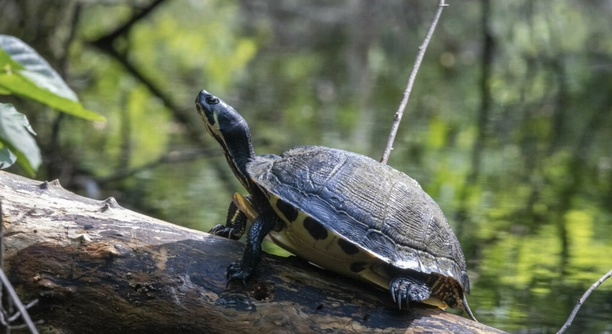
Yellow-bellied sliders are popular pets, but knowing what foods are safe for them is important for their health. A balanced diet can make a big difference in their well-being, so it’s good to be informed about what they can eat.
Yellow-bellied sliders can safely eat pineapple in moderation. The fruit provides vitamins and hydration, but the high sugar content means it should only be offered occasionally as a treat. Too much can cause digestive issues.
Knowing the right balance of foods for your slider is essential for their overall health and happiness. We’ll help guide you through the best practices for feeding your turtle.
What Are Yellow-Bellied Sliders’ Dietary Needs?
Yellow-bellied sliders are omnivores, meaning they need both animal and plant-based foods in their diet. In the wild, they eat a combination of aquatic plants, insects, and small fish. When kept as pets, it’s important to replicate this balance in their diet. A healthy mix of leafy greens, such as kale or dandelion, along with some protein like insects or pellets, is essential for them to thrive. Offering a variety of food ensures that they get all the necessary nutrients.
Their diet should also be supplemented with calcium to support their shell and bones. Without enough calcium, they could develop soft shells or other health issues. Giving them foods like cuttlebone or calcium supplements is important for their well-being. On top of their regular meals, it’s good to provide them with treats occasionally, but these should not replace their main diet.
Too much of any food can lead to digestive issues or obesity, so it’s important to keep track of portion sizes and feeding schedules. Overfeeding fruits, for example, can lead to weight gain and even shell problems.
Why Pineapple Is Not the Best Everyday Food
Although pineapple can be a tasty treat, it should only be given in small amounts. The sugar content in the fruit can be too high for your turtle if consumed often.
Pineapple contains vitamins, particularly vitamin C, which can support your turtle’s immune system. However, too much sugar could cause digestive upset or even diarrhea. It’s always best to feed pineapple sparingly and avoid it as a regular part of their diet. A good rule is to offer pineapple once or twice a month, and to remove any leftover fruit to avoid spoilage.
In general, fruits should be seen as an occasional treat, not a regular meal. Many other foods, such as leafy greens or aquatic plants, offer more nutrients without the high sugar content. These should always take priority in your turtle’s diet.
How to Safely Feed Pineapple to Yellow-Bellied Sliders
If you decide to feed pineapple to your slider, make sure to remove the skin and core. These parts can be difficult to digest and may cause harm. Only offer the flesh of the fruit in small pieces.
Pineapple can be a refreshing treat, but it should never make up a large part of their diet. Cutting the pineapple into small, manageable chunks helps reduce the risk of choking and makes it easier for your turtle to eat. Be sure to remove any seeds as well, as they could pose a potential risk. After feeding, monitor your turtle’s behavior and health to ensure there are no negative reactions. If your turtle seems to have digestive issues or a drop in appetite, it’s best to cut back on pineapple and other sugary fruits.
To avoid feeding too much fruit at once, you can also limit pineapple to one small serving per feeding session. It can be used as a treat for special occasions or after a healthy meal of greens and protein. Always ensure that your slider gets the nutrients it needs from more appropriate foods.
Alternatives to Pineapple for Yellow-Bellied Sliders
If you’re concerned about feeding your turtle pineapple too often, there are plenty of other safe fruits and vegetables to try. Many of these alternatives offer similar benefits without the excess sugar.
Foods like strawberries, blueberries, and cantaloupe are safe in moderation and can be a great way to offer variety. These fruits are packed with vitamins and antioxidants, which help support your turtle’s immune system. However, it’s important to remember that even these alternatives should only be offered occasionally and in small portions. Regularly feeding a mix of leafy greens, such as romaine lettuce or water plants, should always be prioritized. These provide more of the nutrients your slider needs to stay healthy in the long run.
By giving a range of fruits, vegetables, and protein, you ensure that your turtle gets a balanced diet without overloading them with sugar.
Overfeeding Pineapple and Its Risks
Feeding too much pineapple can cause more harm than good. Excess sugar can lead to weight gain, digestive problems, and even shell issues. Moderation is key when offering sweet treats like pineapple.
When turtles eat too much pineapple, they might experience diarrhea or other stomach issues. This can lead to dehydration and cause discomfort, making it harder for them to absorb nutrients. Over time, this can affect their overall health and lead to complications. To prevent these problems, make sure pineapple is only given in small amounts and never regularly.
Other Fruits to Offer Your Turtle
In addition to pineapple, other fruits like grapes, apples, and melons can be offered sparingly. They provide a healthy variety.
These fruits offer natural sugars that your turtle will enjoy but don’t carry the same high sugar content as pineapple. Giving different fruits can help prevent your turtle from getting bored with their diet and offer essential vitamins. Always cut fruits into bite-sized pieces to avoid choking hazards.
Nutritional Value of Pineapple
Pineapple is rich in vitamin C, which supports immune health. It also contains manganese and antioxidants that contribute to overall well-being.
Though pineapple has some nutritional benefits, it should not be a regular part of your slider’s diet. Its high sugar content can outweigh the positive effects. In small amounts, it may offer a small boost in health, but a varied diet filled with vegetables and protein is better for your turtle’s long-term health.
FAQ
Can yellow-bellied sliders eat pineapple every day?
No, yellow-bellied sliders should not eat pineapple every day. While pineapple offers some nutritional benefits, its high sugar content can lead to health issues like obesity, digestive problems, and shell issues if eaten too frequently. Treats like pineapple should only be given occasionally, no more than once or twice a month, and in small portions.
What other fruits can yellow-bellied sliders eat?
Yellow-bellied sliders can safely eat several other fruits in moderation, including strawberries, blueberries, grapes, watermelon, and apples. These fruits are a good source of vitamins and hydration. However, they should still be treated as an occasional snack rather than a regular meal. Always make sure to remove any seeds and cut the fruit into small, manageable pieces to avoid choking.
How often should yellow-bellied sliders be fed fruits?
Fruits should be offered to yellow-bellied sliders no more than once or twice a week. They should make up only a small part of their diet, with leafy greens and protein being the main components. Overfeeding fruit, especially sugary ones like pineapple, can cause digestive issues and health problems in the long run. Stick to a balanced, varied diet to ensure they stay healthy.
Can pineapple help yellow-bellied sliders with hydration?
Yes, pineapple is hydrating due to its high water content. Offering small pieces of pineapple occasionally can help your turtle stay hydrated. However, it’s important to remember that other fruits, such as watermelon or cucumber, can also provide hydration. Additionally, always ensure your turtle has access to clean water for drinking and soaking, as this is essential for their health.
Should I remove the pineapple skin before feeding my slider?
Yes, always remove the skin and core of the pineapple before feeding it to your yellow-bellied slider. The skin can be tough and difficult to digest, while the core may be too hard for them to eat. Only offer the soft flesh of the pineapple, and cut it into small, manageable pieces.
Can yellow-bellied sliders eat canned pineapple?
It is not recommended to feed canned pineapple to yellow-bellied sliders. Canned pineapple often contains added sugars and preservatives, which are not ideal for your turtle’s health. Stick to fresh pineapple, and always wash it thoroughly before offering it. Fresh fruit is the best option for providing natural nutrients and hydration.
How can I tell if my turtle is eating too much fruit?
If your yellow-bellied slider starts showing signs like bloating, lethargy, or diarrhea after eating fruit, it could be a sign they’re eating too much. These symptoms are often associated with digestive upset caused by an overload of sugar. If you notice these signs, reduce the amount of fruit you’re offering and monitor your turtle’s health closely. A balanced diet is key to keeping them in good condition.
Can feeding too much pineapple harm my slider’s shell?
Yes, overfeeding pineapple or any sugary fruit can potentially harm your turtle’s shell. A diet high in sugar may contribute to weight gain, which can cause pressure on the shell and affect its growth and structure. In extreme cases, this can lead to softening or deformities of the shell. A diet rich in calcium and low in sugary fruits will help maintain a healthy shell.
Are there any other fruits I should avoid feeding my slider?
There are a few fruits you should avoid giving your yellow-bellied slider. Citrus fruits like oranges, lemons, and limes should be avoided because their acidity can upset your turtle’s digestive system. Similarly, avocado is toxic to turtles and should never be offered. Always research a fruit’s safety before introducing it to your turtle’s diet to ensure it’s safe and beneficial.
What vegetables are best for yellow-bellied sliders?
Yellow-bellied sliders thrive on leafy greens and vegetables. Good options include dandelion greens, collard greens, mustard greens, and kale. You can also offer water plants like water lettuce and duckweed. Vegetables like carrots, zucchini, and bell peppers can be offered as treats, but should not replace leafy greens. These vegetables provide essential vitamins and minerals that support your turtle’s health.
Can yellow-bellied sliders eat fruit and vegetables together?
Yes, you can feed yellow-bellied sliders a mix of fruits and vegetables. However, fruits should make up a smaller portion of their diet compared to vegetables. A balanced approach is important, with the majority of their meals consisting of greens and protein sources. When feeding both, ensure that the portions are appropriate and that no one food dominates their diet.
Final Thoughts
Feeding yellow-bellied sliders a balanced diet is essential for their health and well-being. While fruits like pineapple can provide some nutritional benefits, they should only be given in moderation. The high sugar content in pineapple can lead to digestive issues, weight gain, and potential shell problems if offered too often. Keeping pineapple as an occasional treat, rather than a regular part of their diet, ensures that your turtle gets the right balance of nutrients without the risks associated with too much sugar. Always remember to remove the skin and core of the pineapple, as these parts can be difficult to digest and may cause harm.
In addition to pineapple, a variety of fruits, vegetables, and proteins should make up the majority of your slider’s diet. Leafy greens like dandelion greens, kale, and collard greens are excellent choices for providing essential vitamins and minerals. Aquatic plants, along with small insects, will also help mimic the natural diet of yellow-bellied sliders. Offering a range of healthy foods ensures your turtle gets the nutrients they need to stay active and healthy. The key is moderation and variety, allowing your turtle to enjoy different foods without any single item becoming too overwhelming for their digestive system.
Finally, always be mindful of portion sizes and feeding frequency. Overfeeding any food, especially sugary fruits, can lead to long-term health issues for your yellow-bellied slider. Keep track of their diet, offer treats sparingly, and ensure they have access to clean water at all times. By following these simple guidelines, you can help your turtle live a long, healthy life while ensuring they get the best nutrition possible.

Hello,
If you enjoy the content that we create, please consider saying a "Thank You!" by leaving a tip.
Every little bit helps us continue crafting quality advice that supports the health, happiness, and well-being of pets around the world, for pets of all shapes, sizes, and species.
We really appreciate the kindness and support that you show us!