
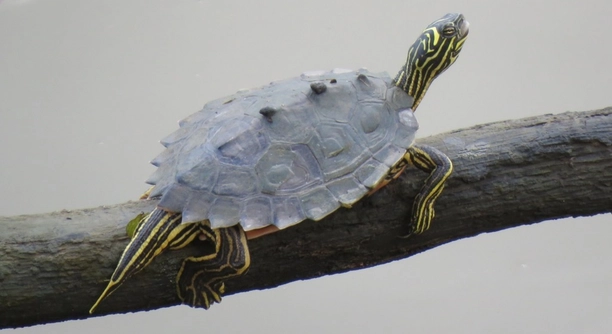
Map turtles are fascinating creatures, and protecting their eggs is essential for their survival. If you happen to come across a nest of map turtle eggs, it’s important to know the safest way to move them to avoid harm.
To safely move map turtle eggs, gently dig around the nest with a soft tool, being careful not to damage the eggs. Transfer them to a similar environment with proper moisture and temperature levels to increase the chance of successful hatching.
Moving turtle eggs requires careful attention, and following the right steps ensures their safety. Knowing the necessary precautions will help protect the eggs and give them the best chance of survival. Let’s explore how to do it safely!
Why You Might Need to Move Map Turtle Eggs
Map turtle eggs are often laid in places that are vulnerable to predators or environmental hazards, like flooding or human activity. Moving them can be an essential step to protect the future of the turtles. These eggs need the right conditions to hatch and grow into healthy turtles. Finding their nest early is key to helping them without disturbing the process too much. Sometimes, eggs may also be laid in areas with heavy foot traffic or near roads, putting them at risk.
However, it’s important to only move them if necessary. Overhandling the eggs or moving them too far could harm their chances of hatching. If you are unsure whether to relocate the eggs, it’s always a good idea to consult with a local wildlife expert. By being cautious, you can give these little turtles the best chance to survive and thrive.
Best Time to Move Map Turtle Eggs
Timing plays a major role in the safety of map turtle eggs. The ideal time to move them is right after they are laid but before they’re disturbed by predators. The longer you wait, the more likely it is that the eggs could be damaged.
It’s important to move the eggs as soon as possible after finding the nest. If you wait too long, there could be a risk of predators or damage from weather conditions. Once you’ve found the eggs, it’s best to move them in the same direction and placement as close to the original location as possible to avoid stressing the eggs.
How to Identify Map Turtle Eggs
Map turtle eggs are small, oval, and typically white or off-white in color. They can often be mistaken for other types of turtle eggs, but their size and shape are usually distinctive. A map turtle egg is roughly the size of a small marble.
When inspecting the nest, look for the typical appearance of the eggs. You should see a slight shine from their smooth surface. Make sure to handle the eggs as gently as possible to avoid cracking. Even small pressures can cause permanent damage, which can reduce the chances of successful hatching.
If you’re unsure, it’s best to confirm with an expert before moving the eggs. With experience, you’ll begin to recognize the differences between map turtle eggs and other species. This way, you’ll be better equipped to help protect them without causing harm.
The Tools You’ll Need
Moving map turtle eggs requires a few basic tools to ensure their safety. You’ll need a soft, small shovel or a trowel to gently dig up the eggs. Make sure the tools are clean to prevent contamination.
A container with a similar temperature and moisture level is necessary for transport. A shallow, breathable box or a container with small air holes works best. Avoid using any materials that might introduce chemicals or pollutants to the eggs, such as plastic bags. Also, having gloves on is essential for minimizing any stress or contamination to the eggs during handling. Keeping things simple and natural is best to avoid causing unnecessary harm.
How to Dig Up Map Turtle Eggs
Gently dig around the nest using your shovel or trowel. Make sure you avoid pressing too hard on the eggs to prevent damage. It’s important to stay calm and move slowly when handling the nest to avoid disturbing the eggs.
Be mindful of the depth at which the eggs are buried. Map turtle nests are usually around 4 to 6 inches deep. After finding the eggs, carefully lift them one by one and place them in a container. Handling the eggs as little as possible will ensure the best chance of survival.
How to Transport the Eggs
Transporting the eggs requires careful attention. Keep the eggs in the same position they were found, and avoid rolling or shifting them during the transfer.
You can place the container in a quiet, safe place to maintain the temperature and humidity. It’s important to keep the eggs protected from extreme temperatures and rough handling. Make sure the eggs stay stable during the entire transport.
Keeping the Eggs Safe After Moving
After relocating the eggs, find a place that mimics the original environment as closely as possible. This means ensuring the right moisture and temperature levels for the eggs.
Avoid moving the eggs too much once settled in their new location. You want to give them the best chance of hatching by allowing them to stay in a stable environment. The less disturbance, the better.
FAQ
What is the best way to move map turtle eggs?
To safely move map turtle eggs, first, carefully dig around the nest using a soft tool like a small shovel or trowel. Gently lift the eggs one by one, making sure not to press on them. Place them in a container that maintains the same temperature and humidity. Keep the eggs as stable as possible during the transfer, and avoid rolling or shifting them. The key is to move them quickly and with minimal disturbance to prevent damage or stress to the eggs.
How do I know if I’ve found map turtle eggs?
Map turtle eggs are typically small, round, and white or off-white in color. They are about the size of a marble and can be found in soft, sandy soil. The nest is often shallow, around 4 to 6 inches deep. If you’re unsure whether you’ve found map turtle eggs, it’s best to consult an expert. They can help confirm whether the eggs belong to a map turtle or another species.
How long can map turtle eggs survive if moved?
Map turtle eggs can survive if moved as long as they are kept in the right conditions. They need a stable temperature and humidity level similar to the original nesting site. It’s crucial to transport them quickly and carefully to avoid any harm. If moved properly, the eggs can hatch successfully, but any significant stress or mishandling may reduce their chances of survival.
What temperature should the eggs be kept at?
Map turtle eggs should be kept at a temperature range of 75-85°F (24-29°C). This range mimics the conditions the eggs would experience in the wild. If the temperature is too high or low, the eggs may not hatch properly, or they could die. Using a thermometer to monitor the temperature is important to ensure the eggs remain in a safe range.
Can I move the eggs at any time?
It’s best to move map turtle eggs soon after they are laid but before they are disturbed by predators or environmental hazards. The sooner you move them, the better. Waiting too long increases the risk of damage from weather, predators, or traffic. If you find the eggs late in the nesting season, it’s still important to move them, but do so as carefully and quickly as possible.
What should I do if I find a map turtle nest near a road?
If you find a map turtle nest near a road, it’s important to move the eggs to a safer location. Roads pose a serious risk to turtle nests, as eggs can easily be destroyed by passing vehicles. Relocate the eggs to a nearby area that is safe, quiet, and free of disturbances. Make sure to place the eggs in a similar environment to the original site to give them the best chance of hatching.
Can I move the eggs more than once?
It’s not recommended to move map turtle eggs more than once. Constant movement or disruption can cause stress to the eggs, affecting their chances of survival. If you have to move the eggs, try to find a suitable spot and leave them there. Minimize handling as much as possible to avoid harming the eggs.
What kind of container is best for transporting the eggs?
When transporting map turtle eggs, use a shallow, breathable container that maintains proper humidity. A box with air holes or a container lined with a moist towel or sand works well. Avoid plastic bags or containers that trap heat, as they could create an unsuitable environment for the eggs. Keep the container stable and secure to prevent the eggs from shifting during transport.
Is it safe to touch the eggs?
It’s best to handle map turtle eggs as little as possible to avoid stressing them. If you must touch the eggs, wear gloves to minimize contamination or damage. Your hands can carry oils or dirt that could harm the eggs. Always use a gentle touch when handling them, and avoid pressing on the eggs or rolling them.
What should I do if I accidentally crack an egg?
If you accidentally crack an egg, it’s best to discard it, as it is unlikely to hatch. A cracked egg can lead to bacterial infection, which could affect the other eggs in the nest. If you notice any eggs that appear damaged, set them aside and focus on the healthy ones to ensure the best chances for hatching.
How long does it take for map turtle eggs to hatch?
Map turtle eggs typically hatch in 60 to 90 days, depending on environmental conditions. The temperature and humidity levels play a key role in the incubation period. Warmer temperatures generally speed up the process, while cooler conditions can slow it down. Be patient and check the eggs periodically for signs of hatching.
What happens if the eggs don’t hatch?
If the eggs do not hatch, it could be due to several factors such as improper temperature, humidity, or handling. Sometimes, eggs fail to develop if they are not fertilized or if the conditions are not ideal during incubation. If the eggs remain intact but don’t hatch, it’s important to investigate the conditions that may have caused the failure. Consulting an expert can help determine the cause.
Final Thoughts
Moving map turtle eggs is an important task, especially if the nest is in a dangerous location or at risk of being disturbed. It’s essential to handle the eggs with care and be aware of the right conditions for their survival. By taking the proper steps, you can help ensure the eggs have the best chance of hatching and that the hatchlings will have a good start in life. While it may seem like a simple task, moving the eggs correctly requires a delicate balance of patience and precision.
The key to safely moving map turtle eggs lies in preparation and awareness. Always make sure you have the right tools and that the container you use to transport the eggs provides the right temperature and moisture levels. The nest should be moved quickly, and it’s important to minimize the amount of handling to avoid damaging the eggs. Even small actions, such as pressing too hard or shifting the eggs, can harm the developing turtles inside. The less you disturb them, the better their chances of survival.
If you’re uncertain about moving map turtle eggs or if the nest is in an area that is too difficult to access, it’s a good idea to contact a wildlife expert. They can provide guidance on whether moving the eggs is necessary and how to do it safely. Taking the right actions now can make a big difference in the survival of map turtles, which are an important part of our ecosystems. By carefully following the steps outlined in this guide, you can make sure that you are giving these eggs the best possible chance for a successful hatch.

Hello,
If you enjoy the content that we create, please consider saying a "Thank You!" by leaving a tip.
Every little bit helps us continue crafting quality advice that supports the health, happiness, and well-being of pets around the world, for pets of all shapes, sizes, and species.
We really appreciate the kindness and support that you show us!