
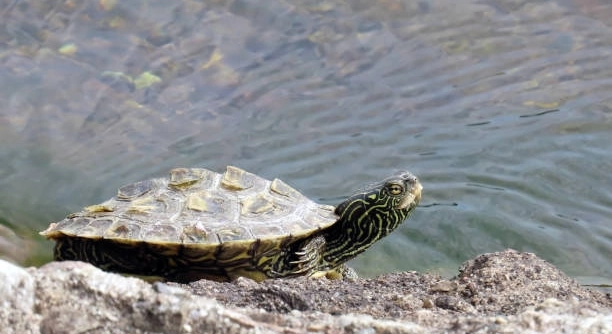
Taking care of a map turtle involves understanding their needs throughout the year. Seasonal changes can affect their health and comfort, so it’s important to know how to adjust their environment accordingly. Here’s how to help them feel at ease.
Keeping your map turtle comfortable during seasonal changes requires maintaining a stable environment. Adjusting water temperature, providing proper lighting, and ensuring a suitable basking area are essential factors for their well-being. These steps support their natural behavior and health.
From temperature control to adjusting their habitat, there are several steps you can take to ensure your map turtle thrives during seasonal shifts. These tips will help you create the best environment for them.
Adjusting Water Temperature
As the seasons change, so should the temperature of your map turtle’s water. During warmer months, you can keep the water at a comfortable 75-80°F, while in cooler months, you may need to drop it to around 70°F. A steady water temperature helps prevent stress, which can lead to health problems. It’s essential to invest in a reliable water heater with a thermostat to ensure a consistent temperature year-round.
In colder weather, you might need to make sure the heater is set properly, as sudden temperature drops can cause discomfort. If your home’s temperature fluctuates significantly, this can make it harder to maintain the ideal conditions. Regularly checking the water temperature with a thermometer will help you stay on top of changes.
Remember, sudden shifts in water temperature can be stressful for your turtle. When it’s chilly outside, try to keep the water temperature stable. Avoid making extreme changes too quickly to prevent your turtle from feeling stressed or unwell.
Providing Proper Lighting
Map turtles need UVB lighting to stay healthy, especially during colder months. Without proper lighting, they can suffer from vitamin D3 deficiency, which affects their ability to absorb calcium. You can use UVB bulbs to provide the necessary light for about 10 to 12 hours a day, even during winter.
In addition, natural sunlight should be part of their routine when possible. Turtles benefit from basking under UVB light, which promotes shell health and overall well-being. When the weather shifts, ensure that their lighting setup mimics the sun’s natural cycles, adjusting the hours accordingly.
If the weather gets too cold to keep them outside for basking, use a UVB bulb to maintain their health. Make sure the light is positioned properly to avoid too much distance or low intensity. Consider replacing the bulb every six months as they can lose effectiveness over time.
Creating the Right Basking Area
Providing a proper basking area is essential for your map turtle’s health. You’ll want to create a spot that’s dry, warm, and easy for your turtle to access. Consider using a flat rock or platform above the water where they can climb and dry off.
The basking area should be placed near the heat source so your turtle can enjoy warmth. Make sure it’s large enough for them to stretch out comfortably and rest. Turtles often need time on land to regulate their body temperature and dry their shells, which helps maintain healthy skin and shells.
During cooler months, you might want to increase the temperature of the basking spot slightly. You can do this by adding a heat lamp. Just make sure the temperature remains within a comfortable range to avoid overheating.
Ensuring Proper Humidity Levels
Map turtles require a certain level of humidity to thrive, which can vary depending on the season. In warmer months, the humidity in the enclosure should be around 60-70%. However, in cooler months, the humidity should be slightly higher to help your turtle remain comfortable.
If the air is too dry, it can lead to dehydration and shedding problems. To increase humidity, you can add a water bowl in the basking area or lightly mist the tank with water. Keeping the tank sealed with a lid also helps keep humidity levels consistent. Make sure the substrate in the tank is not too dry and adds to the overall moisture levels.
Maintaining proper humidity also helps your turtle shed properly and stay hydrated, which is especially important during seasonal changes. You’ll want to keep the enclosure well-ventilated but still humid enough to meet your turtle’s needs.
Adjusting Diet with the Seasons
As the weather changes, so can your turtle’s diet. During colder months, they may become less active, requiring fewer meals. Stick to a balanced diet, but adjust portion sizes based on their activity level.
In warmer months, your turtle may be more active and require a bit more food to keep up with their energy needs. Offer fresh greens, aquatic plants, and protein-rich foods like worms or small fish. Overfeeding can lead to health issues, so monitor their eating habits closely.
Changing their diet seasonally helps support your turtle’s metabolism and health, ensuring they stay well-nourished throughout the year.
Preventing Overheating
Overheating is a concern during warmer months, especially when basking areas are too hot. To prevent this, use a thermometer to monitor the basking spot’s temperature and make sure it doesn’t exceed the ideal range.
Consider adding a fan or adjusting the lighting to avoid excess heat buildup. By checking regularly, you can ensure your turtle doesn’t overheat and stays comfortable year-round.
Regular Health Checks
Health checks are essential, especially when seasons shift. Map turtles are susceptible to respiratory infections if temperatures fluctuate too drastically. Regularly check their shells for any signs of softness or abnormal growth, and monitor their appetite and activity levels.
Be proactive in seeking a vet if you notice unusual changes in behavior, as early detection of health issues can prevent more serious problems down the line.
FAQ
How do I know if my map turtle is too cold?
If your map turtle appears sluggish, has trouble swimming, or is staying in one place for long periods, it could be too cold. Turtles are ectothermic, meaning their body temperature is regulated by their environment. If their water is too cold, they may become inactive. Ensure the water temperature is within the recommended range, around 75-80°F in warmer months and 70°F during cooler months. A thermometer can help you keep track. If they’re not basking or eating, the temperature may need adjusting.
Can I keep my map turtle outside during the winter?
Map turtles are not suited for outdoor habitats during cold winters. If you live in a place where temperatures drop below 50°F, it’s best to bring your turtle indoors. Prolonged exposure to cold can lead to hibernation or health issues, such as respiratory infections. Instead, create a controlled environment with proper lighting, heating, and humidity inside your home.
What kind of substrate should I use for my map turtle?
For your map turtle’s tank, choose a substrate that mimics their natural habitat while also being easy to clean. Smooth river rocks or slate are great options. Avoid using sand, gravel, or fine particles as they can cause impaction if swallowed. Keep the substrate shallow to allow easy movement and ensure that the water filter works properly.
How often should I change the water in my turtle tank?
Water should be changed regularly, at least once a week. A good rule is to change about 25-50% of the water each time. In addition, monitor the water quality closely. A strong filter will help keep the water clean, but a regular water change is necessary to prevent the buildup of waste and bacteria. During warmer months when your turtle may be more active, more frequent water changes might be needed.
Do map turtles need a basking light in winter?
Yes, your map turtle still needs a basking light during the winter months. Even though the weather is colder, they rely on UVB lighting to synthesize vitamin D3 and absorb calcium. The basking area should be warm enough, around 85-90°F, to help your turtle regulate its body temperature. Ensure the light is positioned to allow your turtle to bask comfortably for 10 to 12 hours a day, even in the winter.
How can I tell if my turtle is dehydrated?
Dehydration is a common issue for map turtles, especially when humidity levels aren’t ideal. If your turtle’s skin appears dry, cracked, or flaky, it may be a sign of dehydration. Additionally, a lack of appetite, lethargy, or sunken eyes can also indicate dehydration. Ensure your turtle has access to fresh water at all times, and maintain proper humidity levels to prevent dehydration. You can lightly mist the tank to help with humidity.
What should I do if my map turtle is not eating?
If your map turtle isn’t eating, check the water temperature, lighting, and humidity levels. If any of these factors are off, it could be causing stress or discomfort, which may reduce appetite. Also, consider their activity level—if they’re not very active, they may need less food during cooler months. However, if they continue to refuse food, it’s best to consult a veterinarian for further evaluation.
Can map turtles live with other turtles?
Map turtles can live with other turtles, but it depends on the species and their individual temperament. Keep an eye on their interactions, as some turtles can become territorial. Make sure they have enough space and basking areas to avoid competition. Always monitor the tank closely to prevent aggression, as stressed turtles may not eat or bask properly.
What are common health issues for map turtles during seasonal changes?
Seasonal changes can stress map turtles, leading to potential health issues such as respiratory infections, shell rot, or vitamin deficiencies. Make sure the water temperature and basking area are suitable for the current season. Lack of proper lighting or humidity can also cause health problems. If you notice your turtle becoming lethargic, eating less, or having difficulty swimming, take them to a veterinarian for an assessment.
How do I clean my map turtle’s tank?
To clean your turtle’s tank, start by removing your turtle and placing it in a safe temporary enclosure. Clean the substrate and any decorations with a safe, non-toxic aquarium cleaner. If you’re using a filter, make sure to clean it according to the manufacturer’s instructions to ensure it’s working efficiently. Replace about 25-50% of the water to maintain a clean environment. Remember to regularly clean any food waste and feces from the water to keep your turtle healthy.
Final Thoughts
Taking care of a map turtle during seasonal changes can be a bit challenging, but with the right adjustments, you can create an environment where they feel comfortable and healthy. As the seasons shift, it’s important to monitor things like water temperature, basking areas, and lighting. These changes can directly affect your turtle’s well-being, so making small changes can make a big difference. Providing a stable habitat, with consistent care, will help your map turtle stay happy year-round.
It’s also essential to pay attention to their diet and behavior. During colder months, your turtle may become less active, so they might need fewer meals. Adjusting their food intake according to their activity level ensures they remain healthy without overfeeding. Be aware of any signs of stress or discomfort, such as changes in their eating habits or behavior. If you notice anything unusual, it’s always a good idea to check their environment to see if any adjustments are needed. This will help prevent any health issues that can arise from improper conditions.
In the end, taking the time to understand your map turtle’s needs during seasonal changes is worth the effort. Regular health checks, proper care, and environmental adjustments will go a long way in ensuring your turtle stays comfortable and healthy throughout the year. By following the tips shared in this article, you’ll be well on your way to providing the best care for your turtle, helping them thrive no matter the season.

Hello,
If you enjoy the content that we create, please consider saying a "Thank You!" by leaving a tip.
Every little bit helps us continue crafting quality advice that supports the health, happiness, and well-being of pets around the world, for pets of all shapes, sizes, and species.
We really appreciate the kindness and support that you show us!