
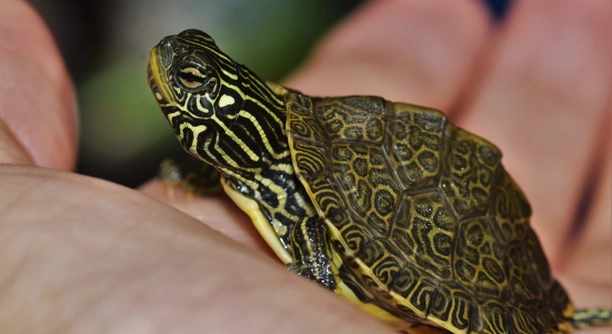
Maintaining the right temperature in a map turtle tank is essential for their health and well-being. Proper temperature control supports their digestion, activity, and overall development, making it crucial to keep their environment steady and regulated.
To keep a consistent temperature in map turtle tanks, invest in a reliable aquarium heater and thermostat. Regularly monitor the water temperature using a thermometer to ensure it remains stable. Position the heater near the water’s surface for optimal distribution of heat.
Managing your tank’s temperature will help create a balanced environment. Understanding the factors that influence water temperature can lead to better results for your turtle’s health and comfort.
Choosing the Right Heater for Your Map Turtle Tank
A proper heater is a key factor in keeping the water temperature stable. Select a heater that fits the size of your tank and is suitable for the specific needs of your map turtles. Most map turtles require water temperatures ranging from 75°F to 80°F. Choose a heater with an adjustable thermostat so you can maintain the desired temperature without overheating the tank. Heaters with built-in thermostats ensure that the water doesn’t get too hot, which can harm your turtles.
The heater should be placed in an area where the water circulates well, usually near the filter. This placement helps in evenly distributing the heat across the tank. It’s also important to regularly check the heater for any signs of wear and tear. A damaged heater can lead to inconsistent heating, which may stress the turtles.
The key to maintaining a consistent water temperature is monitoring it regularly. Use a reliable thermometer placed in the tank to keep track of the temperature throughout the day. This ensures that the heater is working as it should and the water stays within the appropriate range for your turtles.
Monitoring Water Temperature
A thermometer is essential for precise temperature control. Placing it in the middle of the tank ensures accuracy, as water may fluctuate in different areas.
Regular monitoring allows you to catch any temperature variations early and make adjustments before it becomes a problem. A sudden drop or rise in temperature can stress your map turtles and affect their overall health. Use a digital thermometer for better accuracy, and check it multiple times a day. This way, you’ll be able to make any needed adjustments before the temperature shifts too much. Also, consider getting a backup heater in case the primary one fails. This will ensure you are always prepared for any heating issues, so your turtles don’t face any temperature changes that could harm them.
Placing the Heater in the Tank
The placement of your heater directly impacts how well the temperature is regulated. Avoid placing it near areas with minimal water flow.
Positioning the heater near the filter ensures good water circulation, allowing the heat to spread evenly throughout the tank. This minimizes cold or warm spots, preventing temperature fluctuations that could stress your turtles. Keep the heater away from decorations or substrates that could block the flow of water.
Ensure the heater is fully submerged, with its thermostat sensor in the middle of the tank, where water is most likely to stay at a stable temperature. If your heater is adjustable, keep it at the recommended temperature range for map turtles, typically 75°F to 80°F. Avoid placing the heater too close to the tank’s glass or walls. These areas may not allow the heat to circulate properly, affecting the overall temperature regulation.
Using a Thermometer to Track Temperature
A thermometer is essential for accurately monitoring the water temperature. Regularly checking the temperature allows you to identify any sudden fluctuations.
Invest in a digital thermometer that can be placed inside the tank for more accurate readings. Place it near the middle of the water column for consistency. By monitoring the temperature regularly, you ensure it stays within the desired range.
If you notice the temperature drifting from the set range, adjust your heater or consider adding a second heating element. The goal is to keep the water stable without unnecessary temperature swings. A thermometer will also help you troubleshoot any heating issues before they become problematic for your map turtles.
Choosing the Right Tank Size
The size of your tank plays a role in temperature control. A larger tank requires more heating power to maintain the temperature consistently.
When selecting a tank, ensure it is large enough for your map turtles to move comfortably while also considering the heating needs. A tank that’s too small may heat up too quickly, leading to temperature instability.
Using Tank Covers
A tank cover can help keep the temperature stable by preventing heat from escaping. Make sure the cover fits securely.
A good tank cover traps warmth, reducing the need for constant adjustments to the heater. It also prevents dust and debris from entering, which can affect the water quality. Keep the cover clean and check it regularly for any cracks or gaps.
Insulating the Tank
Insulating the tank can help maintain a steady temperature. Insulation prevents heat loss, especially in colder environments.
You can use foam board or special aquarium insulation to line the outside of the tank. This will help keep the heat from escaping and minimize the workload of your heater. It’s particularly useful if your tank is kept in a cooler room or during winter months.
FAQ
How do I know if the water temperature is too high for my map turtles?
If the water temperature exceeds 82°F, it could be too high for map turtles. They may become lethargic or seek cooler areas. If the temperature is consistently high, it can stress them and negatively affect their health. A thermometer is essential for accurate monitoring. If you notice changes in behavior or appearance, adjust the temperature accordingly.
What happens if the water temperature is too low?
If the water temperature drops below 75°F, map turtles may become sluggish, stop eating, or even develop health problems. Cold water can slow their metabolism, affecting digestion and overall energy levels. Make sure the heater is functioning properly and that the temperature remains within the recommended range to avoid these issues.
Can I use any aquarium heater for my map turtle tank?
Not all aquarium heaters are suitable for map turtle tanks. Choose a heater that can maintain a consistent temperature over a long period. Look for a heater with a built-in thermostat, ensuring that it keeps the water within the ideal range. Also, select one designed for the size of your tank to avoid under or over-heating.
How often should I check the water temperature?
Checking the water temperature at least once a day is a good practice. Temperature fluctuations can happen quickly, especially if the heater is malfunctioning or the environment changes. It’s important to ensure the temperature stays consistent. During seasonal changes, check more frequently, as room temperature shifts can affect the tank.
What type of thermometer is best for my map turtle tank?
A digital thermometer is ideal for accurately monitoring water temperature. Place it near the middle of the tank for the most reliable reading. Stick-on or floating thermometers can work as secondary options, but they may not be as precise as a digital one. Regularly calibrate your thermometer to ensure accurate readings.
How do I know if my heater is working properly?
Check the water temperature regularly with a thermometer to see if it matches the desired range. If the water temperature is inconsistent, the heater may be faulty. Inspect the heater for cracks, damage, or signs of wear. Replace it if it’s not heating the water effectively or consistently.
Can I use a submersible heater for my map turtle tank?
Yes, submersible heaters are often a good option for map turtle tanks. They can be placed fully underwater, providing more even heat distribution. Make sure to choose one that is designed for the size of your tank and provides the necessary heating power.
What is the best temperature range for map turtles?
The ideal water temperature for map turtles is between 75°F and 80°F. A consistent temperature within this range ensures that your turtles stay healthy and active. Higher temperatures, up to 82°F, are generally acceptable for short periods, but consistent heat above this can be harmful.
Do I need a separate heater for a basking area?
Yes, it’s a good idea to provide a heat source for the basking area. While the water temperature should remain stable, map turtles also need a basking spot that’s about 90°F to 95°F. This allows them to regulate their body temperature and aids in digestion and overall health.
How do I prevent water temperature fluctuations?
Regularly monitor the water temperature with a reliable thermometer and maintain the heater properly. Use a high-quality aquarium heater with an integrated thermostat to keep the temperature stable. Insulating the tank, using a lid, and avoiding sudden drafts will help minimize temperature shifts.
Can I keep map turtles with other aquatic animals?
While it’s possible to keep map turtles with other aquatic species, be mindful of their temperature needs. Ensure that the other animals can tolerate the same water temperature range. Some fish or invertebrates might not do well with the higher water temperatures required for map turtles. Always research compatibility before combining species.
Should I adjust the water temperature seasonally?
Adjusting the water temperature slightly for the changing seasons is a good idea. In colder months, you may need to increase the temperature slightly, especially if the room temperature drops. In warmer months, monitor the temperature carefully to ensure it doesn’t get too high. Adjust gradually to avoid shocking your turtles.
How can I ensure my tank stays warm during winter?
To keep the tank warm during winter, consider using a heater with a higher wattage or adding an additional heater to maintain temperature stability. Insulating the tank can also help retain warmth, as can placing the tank away from cold drafts or windows. A tank cover can also prevent heat loss.
What’s the best way to maintain consistent water temperature when I’m not home?
Invest in a reliable aquarium heater with an integrated thermostat that automatically adjusts the water temperature. Additionally, use a backup heater as a precaution. Keep a digital thermometer inside the tank to ensure the temperature remains stable. Regularly check the heater’s function to avoid surprises when you return.
Are there any risks to using multiple heaters in one tank?
Using multiple heaters can help distribute heat more evenly, especially in larger tanks. However, it’s important to ensure they are correctly placed and not competing for the same temperature range. Keep heaters a safe distance from each other, and monitor the water temperature closely to ensure it remains consistent.
How do I troubleshoot temperature issues in my tank?
If the water temperature isn’t right, check the heater for any visible damage. Make sure the thermostat is set correctly and that the heater is powerful enough for your tank size. If needed, replace the heater or adjust the settings. Adding insulation or adjusting the tank’s placement might also help.
Final Thoughts
Maintaining a consistent temperature in your map turtle tank is crucial for their health and well-being. By understanding their needs and taking a few simple steps, you can ensure that your turtles stay active and comfortable. Using the right heater, regularly monitoring the temperature, and making adjustments as needed will prevent temperature fluctuations that can stress your turtles. A stable environment helps them thrive and reduces the risk of illness caused by sudden changes in temperature.
Remember, a consistent water temperature between 75°F and 80°F is ideal for map turtles. Investing in a good quality heater with an integrated thermostat will make temperature control much easier. It’s also a good idea to regularly check the water temperature with a reliable thermometer to avoid surprises. Even minor changes can affect your turtles, so staying on top of this will keep them happy and healthy. Proper insulation and tank covers can help retain heat, particularly during colder months, and prevent unnecessary energy use.
By creating a stable environment for your map turtles, you can avoid unnecessary stress and improve their overall quality of life. Providing a reliable heating source, consistent monitoring, and small adjustments as needed will help you maintain the ideal conditions. A little effort goes a long way in making sure your turtles stay healthy, active, and enjoy their environment. The right temperature is essential for their well-being and happiness, and with the right care, you can ensure a long, healthy life for your map turtles.

Hello,
If you enjoy the content that we create, please consider saying a "Thank You!" by leaving a tip.
Every little bit helps us continue crafting quality advice that supports the health, happiness, and well-being of pets around the world, for pets of all shapes, sizes, and species.
We really appreciate the kindness and support that you show us!