
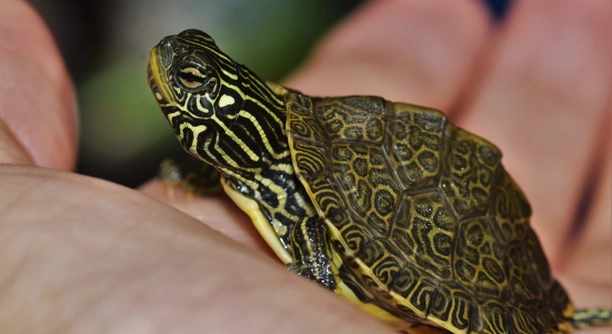
Sometimes, pet owners notice that their map turtles stop eating when the weather gets hot. This can be confusing, especially when you want to ensure they stay healthy. Understanding the reasons behind this behavior can help.
Map turtles, like many reptiles, are sensitive to temperature changes. In hot weather, their metabolism slows down, causing them to eat less or even stop eating. This is a natural response to prevent overheating.
Managing your map turtle’s diet and environment during hot weather can help prevent stress and ensure they stay healthy and comfortable.
Why Do Map Turtles Stop Eating in Hot Weather?
Map turtles are cold-blooded reptiles, meaning their body temperature is regulated by external sources, such as the weather. During hot weather, their bodies may naturally slow down their metabolism to avoid overheating. This leads to a decrease in appetite. The higher temperatures can cause stress, especially if their habitat lacks the proper temperature gradient, making it harder for them to regulate their body temperature effectively.
A warm, stable environment is essential for map turtles to thrive. Too much heat can leave them lethargic, making them less inclined to eat. While it’s important for your turtle to bask under a heat source, it’s also crucial to offer cooler areas for them to retreat to. This helps them manage their body temperature more efficiently.
If you notice a drop in your map turtle’s eating habits, it’s essential to check both the water temperature and the basking area. Providing a balanced thermal environment can help prevent the stress caused by extreme heat, making your turtle feel more comfortable and likely to eat.
Temperature Regulation and Eating Habits
Turtles require a proper balance of warmth to maintain their energy levels. In hot weather, their natural response is to reduce activity to prevent overheating. This results in a lack of appetite.
If the water is too warm, map turtles will likely become less active, as they cannot cool off enough. Ensure their habitat has a temperature gradient that allows them to move between warmer and cooler areas. This will encourage natural behaviors, like basking and eating. When the water temperature is just right, your turtle can stay comfortable, active, and maintain healthy eating habits.
The amount of light your turtle receives also plays a role in regulating their metabolism. Overexposure to heat or lack of UV light can affect their digestion. It is essential to provide proper UVB lighting in their tank to promote healthy digestion and appetite. A lack of UVB can also lead to weakened bones and other health issues.
Providing the Right Habitat
Maintaining the right habitat for your map turtle is crucial to ensure they stay healthy and comfortable. A consistent water temperature between 75°F and 80°F is ideal for their well-being.
Along with the right temperature, ensuring your map turtle has access to both shallow and deep water sections will help. They should be able to find cool areas to retreat to when necessary. A thermometer can help you monitor the tank’s temperature to ensure it remains stable. When heat stress is avoided, your turtle will feel more comfortable and be more inclined to eat. Proper habitat maintenance is key to managing hot weather impacts on your turtle’s appetite.
Stress and Appetite Loss
Stress from extreme temperatures or environmental changes can significantly affect your turtle’s eating habits. Turtles are sensitive to changes in their environment.
When your turtle experiences stress, whether from temperature fluctuations or improper tank conditions, it may refuse food. Stress can also come from loud noises or disturbances in their surroundings, which can make them anxious and less likely to eat.
Keeping your turtle’s environment calm, quiet, and stable can minimize stress and improve their eating habits. Ensure that their tank is not placed in a high-traffic area, as this can contribute to stress.
Diet Adjustments During Hot Weather
When the weather is hot, map turtles may need different types of food to encourage eating.
In warmer months, their activity level decreases, which can affect their appetite. Offer them lighter meals, like smaller portions of fresh vegetables or aquatic plants. These foods are easier to digest and can help stimulate their appetite. It’s important to remove uneaten food to prevent water contamination.
You can also try offering foods high in moisture, such as leafy greens and fruits, which can help keep your turtle hydrated and improve its eating habits. Avoid overfeeding, as this can lead to health issues.
FAQ
Why is my map turtle not eating during hot weather?
When temperatures rise, map turtles tend to slow down their metabolism to avoid overheating. This reduced activity often results in a decrease in appetite. In hot weather, the turtle’s body may prioritize staying cool over eating. If the tank environment isn’t properly regulated, it can cause stress, further decreasing the turtle’s interest in food.
What temperature should I maintain for my map turtle?
The water temperature in your map turtle’s tank should be kept between 75°F and 80°F. A basking area should be around 85°F to 90°F. This temperature range helps support their metabolism, making them more active and likely to eat. Ensure the temperature gradient is consistent to allow your turtle to regulate its body temperature.
Can hot weather affect my turtle’s behavior?
Yes, hot weather can significantly affect a map turtle’s behavior. High temperatures can cause lethargy, decreased appetite, and increased stress. Your turtle may spend more time in cooler areas of the tank to avoid overheating. It’s important to provide proper thermal gradients to give them a choice between warmer and cooler spots.
Should I feed my turtle less in hot weather?
While map turtles may naturally eat less in hot weather, it’s essential not to force them to eat less. Instead, focus on providing a balanced diet that suits their reduced activity. Lighter meals, like smaller portions of vegetables and aquatic plants, can be offered to keep their diet healthy without overloading them.
Is it normal for my map turtle to stop eating during the summer?
Yes, it is normal for your map turtle to eat less during the hotter months. As ectotherms, map turtles’ activity and eating habits are influenced by the surrounding temperature. In hot weather, they slow down their metabolism, which leads to a decrease in appetite. Ensuring they have access to both warm and cool areas in their tank can help them manage temperature stress.
What should I do if my map turtle isn’t eating for several days?
If your map turtle isn’t eating for several days, check the temperature and water quality. Ensure the water temperature is within the recommended range, and that the basking area is suitable. Also, check if the turtle is showing signs of stress or illness, such as lethargy or shell abnormalities. If the issue persists, consult a veterinarian.
How can I reduce stress in my map turtle?
To reduce stress in your map turtle, ensure that the tank environment is stable and quiet. Avoid sudden temperature changes and loud noises, which can cause anxiety. Regularly clean the tank, remove uneaten food, and ensure the turtle has enough space to move around. Providing hiding spots can also help your turtle feel more secure.
Can water quality affect my turtle’s appetite?
Yes, poor water quality can negatively affect your map turtle’s appetite. Dirty water or high levels of ammonia and nitrates can lead to stress and illness, making your turtle less likely to eat. Regular water changes and proper filtration are essential for maintaining a clean and healthy environment that promotes good eating habits.
Should I try feeding my map turtle different foods during hot weather?
Offering different foods can sometimes help stimulate a turtle’s appetite. In hot weather, try offering more hydrating foods like leafy greens, aquatic plants, and soft fruits. These foods are easier to digest and provide moisture, which is essential in warmer temperatures. Avoid offering large amounts of protein or hard-to-digest foods, as they can stress the turtle further.
How often should I feed my map turtle during the summer?
During the summer, map turtles may eat less frequently due to reduced activity. It’s best to monitor their eating habits and adjust accordingly. You can offer food every other day or a few times a week, depending on their appetite. Always remove uneaten food to prevent it from fouling the water.
Final Thoughts
Hot weather can have a noticeable impact on your map turtle’s eating habits. Since they are cold-blooded, their metabolism and activity levels are closely tied to the temperature of their environment. When the weather gets too hot, map turtles tend to slow down, reducing their appetite. This is a natural response to avoid overheating. If your turtle is not eating, it is likely trying to manage the temperature in its environment. It’s essential to maintain a stable and proper temperature in their tank, with a thermal gradient that allows them to regulate their body heat.
In addition to temperature, stress can play a significant role in your turtle’s appetite. Environmental stressors such as loud noises, disturbances, or poor water quality can cause them to refuse food. It’s important to minimize stress by keeping their tank in a quiet, stable place and ensuring the water is clean and well-filtered. A consistent routine for feeding and tank maintenance will also help your turtle feel more secure and comfortable. When your turtle feels safe and the environment is conducive to its natural behaviors, it is more likely to resume eating.
If your turtle continues to avoid food for an extended period, consider seeking advice from a veterinarian. While a lack of appetite during hot weather is often temporary, it is essential to monitor your turtle’s health. In some cases, other underlying health issues may be at play, and a professional opinion is necessary. By maintaining the right habitat, minimizing stress, and providing a suitable diet, you can help ensure that your map turtle stays healthy and comfortable in warmer weather.

Hello,
If you enjoy the content that we create, please consider saying a "Thank You!" by leaving a tip.
Every little bit helps us continue crafting quality advice that supports the health, happiness, and well-being of pets around the world, for pets of all shapes, sizes, and species.
We really appreciate the kindness and support that you show us!