
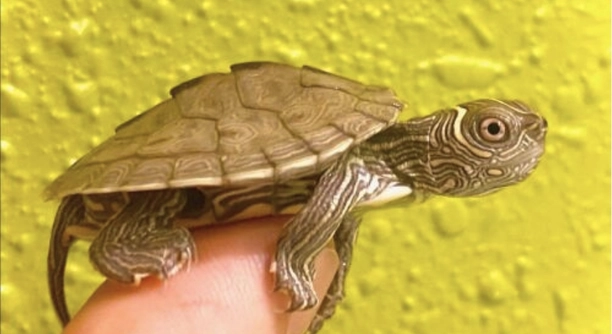
Map turtles, like many aquatic reptiles, are susceptible to various health concerns, including parasites. It’s important to be aware of these risks to keep them healthy and thriving in your care.
Map turtles can indeed get parasites, which can lead to various health issues. These parasites may affect their digestive system or overall well-being, requiring prompt treatment. Regular health checks and maintaining a clean habitat are essential for prevention.
By understanding the common types of parasites and their prevention methods, you can help protect your map turtle from potential harm. This article provides helpful tips to ensure their health and safety.
Common Parasites Found in Map Turtles
Parasites are a common health issue for map turtles, and there are several types that can affect them. The most common include internal parasites like roundworms, flukes, and protozoa, as well as external parasites like ticks and leeches. These parasites can cause a range of symptoms, including weight loss, lethargy, abnormal swimming patterns, and visible skin lesions. Left untreated, parasites can lead to more severe health problems and even death.
Parasites can enter a turtle’s system through contaminated water, food, or surfaces in their habitat. Poor water quality is one of the leading causes of parasite transmission in aquatic turtles. Additionally, wild-caught turtles may carry parasites that are introduced into captive environments. The best way to avoid parasite issues is to maintain a clean habitat and to provide a proper diet and care routine for your turtle.
Keeping your turtle’s habitat clean is essential for preventing parasites. Regular water changes, filtering the water, and ensuring the enclosure is free from debris will significantly reduce the chances of parasite infestation. Additionally, providing proper nutrition helps boost their immune system, making them less susceptible to infections.
How Do Map Turtles Get Parasites?
Map turtles can contract parasites from various sources, but water quality plays a significant role. When water is contaminated by feces or decaying food, it can carry harmful organisms that affect turtles. Feeding your turtle unwashed or improperly stored food can also introduce parasites. Additionally, sharing space with other animals, whether wild or captive, can lead to parasite transmission.
Parasites can easily enter a turtle’s environment through contaminated water, food, or even direct contact with other infected turtles or animals. Ensuring that your map turtle’s living space is as clean as possible is vital to preventing these health issues. A regular cleaning routine, along with quarantine practices for new turtles, can help keep your pet safe.
Identifying Parasite Symptoms in Map Turtles
Parasites in map turtles often show up through behavioral changes. Symptoms like lethargy, poor appetite, and weight loss are common. You may also notice abnormal swimming or erratic movements in the water. If you observe these signs, it’s important to act quickly to prevent further health issues.
Parasites may also cause external symptoms such as skin lesions or swollen limbs. You might notice changes in the turtle’s shell, including unusual discoloration or soft spots. Additionally, vomiting or diarrhea can be linked to internal parasites. These symptoms are not always obvious, but when present, they are a clear sign that the turtle needs veterinary attention.
If you suspect your turtle has parasites, it’s essential to seek professional advice. A vet can help identify the exact parasite and recommend the appropriate treatment. Early detection is crucial to preventing serious complications that could affect your turtle’s long-term health.
Preventing Parasites in Map Turtles
Prevention is key to keeping your map turtle healthy and parasite-free. Ensuring a clean and properly filtered water system is essential. Regularly change the water, clean the tank, and remove waste to prevent contamination. This minimizes the chance of parasites entering their habitat.
You can also help prevent parasites by providing your turtle with a nutritious diet, including fresh vegetables and well-washed food. Avoid feeding them wild-caught prey, as it could carry parasites. Ensuring your turtle has access to clean, UVB-enriched lighting also supports their immune system, making them less prone to infections.
Treating Parasites in Map Turtles
Treatment for parasites depends on the type of parasite your map turtle has. Your vet may prescribe medications such as dewormers or antiparasitic drugs. These treatments can target internal parasites, while external parasites may require physical removal or topical treatments. Always follow the vet’s instructions carefully.
Treatment also often includes adjustments to the turtle’s habitat. You may need to improve water filtration, change the water more frequently, and remove any contaminated materials. This helps prevent the parasites from returning. Alongside medication, maintaining a clean environment is crucial for successful treatment.
The Role of Regular Health Checks
Regular health checks for your map turtle are crucial for early detection of parasites. Schedule routine vet visits to monitor their overall health and catch any issues before they worsen. Regular checkups help keep your turtle in optimal health.
During a health check, the vet will examine your turtle’s skin, shell, and overall behavior. They may also run tests for internal parasites to ensure your turtle is free from infection. Regular health checks are a preventive measure that can save you a lot of trouble down the road.
Quarantining New Turtles
Whenever you introduce a new turtle to your collection, it’s essential to quarantine it for a period. This helps prevent potential parasite transmission to your existing turtles. Keep the new turtle in a separate tank for at least two to four weeks before introducing it to the main enclosure.
FAQ
Can parasites be harmful to map turtles?
Yes, parasites can be harmful to map turtles. Internal parasites, like roundworms or flukes, can cause digestive problems, weight loss, and lethargy. External parasites, such as leeches or ticks, can lead to skin issues and general discomfort. If left untreated, parasites can lead to severe health issues, including infections that may affect their organs. That’s why it’s essential to address any symptoms quickly and seek veterinary treatment.
How can I tell if my map turtle has parasites?
Common signs of parasites in map turtles include changes in behavior, such as lethargy or reduced activity, loss of appetite, or unexplained weight loss. You might also notice abnormal swimming, skin lesions, or shell discoloration. Internal parasites can cause diarrhea, vomiting, or bloating. If your turtle displays any of these symptoms, it’s time to consult a veterinarian. Early detection is key to preventing further damage.
What are the most common types of parasites in map turtles?
The most common internal parasites in map turtles include roundworms, flukes, and protozoa. These can affect the digestive system and cause symptoms like weight loss, lethargy, and poor appetite. External parasites, such as ticks, leeches, or mites, can cause skin irritation or infections. These parasites can be introduced through contaminated water or prey, so maintaining a clean habitat is vital for prevention.
How do map turtles get parasites?
Map turtles typically get parasites from contaminated water, food, or contact with infected animals. Parasites can be present in wild-caught prey or in water that has not been properly filtered. Poor water quality, caused by excess waste or stagnant conditions, is another common way turtles contract parasites. Keeping their environment clean and providing proper food sources can help prevent parasite infestation.
Can parasites spread between turtles?
Yes, parasites can spread between turtles if they share the same habitat. This is why it’s crucial to quarantine any new turtles for at least two to four weeks before introducing them to the main tank. It’s also a good practice to keep turtles from different sources in separate tanks to reduce the risk of cross-contamination.
How do I prevent parasites in my map turtle’s habitat?
To prevent parasites, start by maintaining a clean environment. Regularly change the water and ensure it’s properly filtered to avoid contamination. Remove any uneaten food and waste promptly. You can also use a water-testing kit to ensure the water’s quality remains high. Providing your turtle with a balanced diet, including fresh vegetables and clean, well-washed food, helps prevent parasitic infections as well. Avoid feeding them wild-caught prey, which may carry parasites.
What should I do if I find a parasite on my map turtle?
If you find an external parasite, such as a tick or leech, it’s important to remove it carefully. Use tweezers to gently pull the parasite off the turtle’s skin. For internal parasites, you will need to take your turtle to a vet for a diagnosis and proper treatment, such as medication or deworming.
Can map turtles get parasites from other animals?
Yes, map turtles can contract parasites from other animals, particularly if they share a space with them. Wild animals can carry parasites that can be passed to turtles through direct contact or contaminated water. This is one reason why it’s important to quarantine new animals before introducing them to your map turtle’s environment.
Is it necessary to treat a turtle for parasites?
If your map turtle has parasites, it is crucial to treat them. Depending on the type of parasite, treatment may include medications such as dewormers or antiparasitic drugs. Early intervention can prevent the parasites from causing significant harm to your turtle’s health, such as organ damage or long-term immune system issues.
How often should I check my map turtle for parasites?
It’s a good idea to check your map turtle regularly for signs of parasites. Perform routine health checks every few weeks, paying attention to any changes in behavior, skin, or shell condition. Additionally, schedule annual vet check-ups to ensure that your turtle is in good health and free from parasites.
Final Thoughts
Parasites can be a significant concern for map turtles, as they can lead to a range of health issues, including weight loss, lethargy, and skin problems. These parasites can be introduced through contaminated water, food, or contact with other infected animals. Being proactive in preventing parasites and addressing any symptoms early is the best way to ensure your turtle stays healthy. Regular water changes, a clean environment, and proper diet are key to keeping your turtle free from parasites. It’s also essential to regularly monitor your turtle for any unusual behavior or signs of illness, as early intervention is crucial for successful treatment.
If your map turtle does get parasites, it’s important to act quickly. The symptoms may not always be obvious, but behavioral changes such as reduced activity, poor appetite, or abnormal swimming are often the first signs of a problem. External parasites like ticks or leeches can cause visible irritation, while internal parasites may require veterinary tests for identification. Your vet can recommend the appropriate treatment, which may include medications to eliminate the parasites. Along with treatment, maintaining a clean habitat is important to prevent re-infestation. Regular health checks with a vet will also help catch any issues before they become more serious.
In conclusion, taking steps to prevent parasites and recognizing symptoms early can greatly reduce the risks associated with parasitic infections in map turtles. Providing a clean environment, proper nutrition, and regular health checks will help keep your turtle in good condition. If parasites do become a concern, prompt veterinary care is essential for treatment. By staying informed and vigilant, you can help ensure your map turtle remains healthy and free from harmful parasites.

Hello,
If you enjoy the content that we create, please consider saying a "Thank You!" by leaving a tip.
Every little bit helps us continue crafting quality advice that supports the health, happiness, and well-being of pets around the world, for pets of all shapes, sizes, and species.
We really appreciate the kindness and support that you show us!