
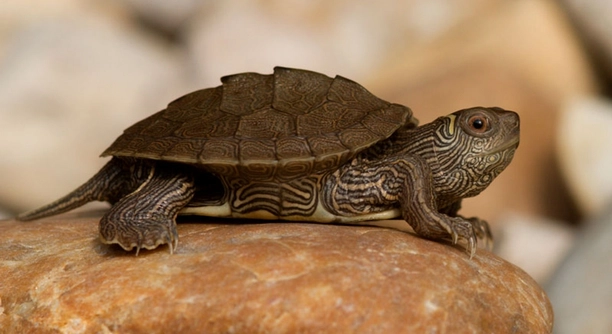
Map turtles can sometimes act a bit differently depending on the time of year. This change in behavior might leave you wondering why your turtle seems more aggressive in the spring. Understanding this seasonal shift can help.
The increased aggression in map turtles during spring is due to hormonal changes related to mating season. Male map turtles, in particular, become more territorial and aggressive as they compete for mates. This is a natural part of their breeding behavior.
By recognizing the reasons behind your turtle’s seasonal aggression, you’ll be better equipped to care for them during this time. Keep reading to learn more about how to handle your map turtle’s behavior.
Why Do Map Turtles Get Aggressive in Spring?
As the weather warms up, map turtles start to act differently. This change often results in them becoming more territorial, especially during the spring. For many pet owners, it’s common to notice increased aggression around this time. The most notable changes happen in males, as they go through hormonal shifts linked to the mating season. These shifts can trigger behaviors like chasing, biting, or displaying dominance toward other turtles. It’s important to understand this is a natural part of their reproductive cycle and not a sign of health issues. This behavior can be stressful, but knowing why it happens will help you manage it. Keeping your turtle in a peaceful environment and minimizing stress can make the transition smoother for both of you.
The aggression you notice is mostly related to mating season. Male turtles are naturally more active and assertive as they try to attract mates and defend their territory.
To help ease the aggression, creating a space with enough room and hiding places can make a big difference. This reduces the chance of conflicts with other turtles or animals. If you have multiple turtles in the same tank, consider giving them more personal space. This can prevent some of the fighting. In addition, adding plants or rocks for hiding spots helps your turtles feel safe. Be patient during this time and avoid handling your turtle too much to prevent stressing them out further. By providing a stress-free environment, your map turtle will likely calm down once the mating season ends.
How to Care for Your Map Turtle During Mating Season
Managing your map turtle’s behavior during spring requires some extra attention. Keep their environment as calm and stress-free as possible. Monitor their interactions with other animals, especially if you have more than one turtle in the same tank. While it may be tempting to intervene, it’s best to let them work out their natural instincts unless the aggression becomes extreme. You may also notice your turtle basking more frequently or pacing around the tank—these are all common signs of the mating season. During this time, your turtle may become more territorial and need extra care to keep them from becoming overly stressed. Keeping a routine with feeding and tank maintenance can also help maintain stability for your turtle.
Keeping your turtle’s habitat clean and simple will support their well-being. Ensure that they have access to UVB light for proper health and heating.
With the right adjustments, your map turtle can experience a smooth transition through the spring season. Regular tank cleaning is essential to prevent the spread of bacteria and keep your turtle healthy. Make sure your turtle has a balanced diet and is getting the appropriate nutrients during this time. Though their aggressive behavior may seem intense, it will likely subside once the mating season passes. If you notice persistent or unusual aggression, consult with a vet to ensure there aren’t underlying health issues. Taking these steps will not only manage their springtime aggression but also support their overall happiness and health.
Why Hormonal Changes Affect Your Map Turtle’s Behavior
During the spring, hormonal changes in male map turtles cause increased aggression. These changes are part of their natural mating behaviors, which include displaying dominance to secure mates. This makes them more territorial, and they may engage in more physical interactions. Understanding this can help you respond appropriately without unnecessary worry.
The hormones trigger physical signs of aggression, like biting or chasing. While it might seem concerning, it’s an instinctive response. Males will often act out of competition, especially when there are other turtles around. Their territorial instincts are in full swing, and this behavior typically decreases once the breeding season is over.
Though these changes are normal, it’s important to monitor your turtle’s environment. If there are multiple males, you might see more intense aggression. Giving each turtle their own space in the tank can minimize conflict. Additionally, be mindful of the temperature and lighting, as these environmental factors also influence the intensity of their behavior. Keeping the tank well-maintained will help reduce stress for all turtles involved.
How to Spot Stress in Your Map Turtle
Your map turtle may show signs of stress if the aggression becomes too intense. Stress can manifest in various ways, such as a loss of appetite or excessive basking. They might retreat to corners or hide more often than usual. These behaviors indicate your turtle is trying to escape the tension caused by aggression.
If your turtle becomes overly stressed, it’s important to make adjustments. Start by ensuring they have enough space and that the water conditions are ideal. If the aggression persists, separate any aggressive turtles to calm the situation. Stress can weaken their immune system, making them more susceptible to illness, so it’s crucial to address it quickly. Proper tank maintenance will help minimize these stressors.
Additionally, stress can make your turtle more vulnerable to injury. Constant fighting, even if it’s not severe, can lead to minor wounds that might get infected. Regularly check your turtle for signs of damage, and if you notice anything unusual, clean the wounds promptly. Adjusting the tank environment will help reduce these issues and create a calmer space.
The Role of Temperature in Aggression
Temperature plays a significant role in your map turtle’s aggression. If the water is too warm or too cold, it can stress your turtle and cause more aggressive behavior. The ideal temperature range for map turtles is between 75-80°F, and ensuring this can help reduce excessive aggression.
Inadequate heating can also disrupt your turtle’s natural rhythms, making them more irritable. Too much heat, on the other hand, may make your turtle more active and agitated. It’s essential to regularly check the water temperature to maintain a stable environment. Use a reliable thermometer to make sure conditions are optimal.
Proper Tank Setup to Minimize Aggression
The right tank setup is crucial in keeping your map turtle calm. Ensure there’s enough space for each turtle to move freely without feeling overcrowded. A tank that’s too small can cause frustration and lead to fighting. Additionally, provide plenty of hiding spots and basking areas to give each turtle their own territory.
Adding plants, rocks, or other structures helps create separate zones where your turtles can retreat. This reduces direct contact and territorial disputes. Regular tank maintenance, such as cleaning and checking the filtration system, also ensures that your turtles aren’t stressed by poor water conditions.
What to Do if Aggression Becomes Severe
If aggression continues or worsens, it might be time to separate the turtles. This is especially important if injuries are occurring. Putting aggressive turtles in different enclosures helps calm the situation and prevents further conflict. Make sure each turtle has access to a comfortable basking area and ample space.
Separation can give them time to cool off and reset. Keeping the tanks similar in size and conditions will help reduce stress once they’re back together. However, if the aggression persists after they’ve been reintroduced, it may be best to permanently house them separately.
FAQ
Why is my map turtle being more aggressive during mating season?
Map turtles, particularly males, become more aggressive during the mating season due to hormonal changes. They are trying to attract mates and defend their territory from other males. This territorial aggression is a natural part of their behavior during spring, and it usually fades once the mating season ends. Males may display more dominance and engage in behaviors like chasing or biting.
How can I reduce aggression in my map turtle?
To reduce aggression, create a tank environment that provides enough space and hiding spots. This will give your turtles areas to claim as their own, reducing territorial disputes. If you have multiple turtles, make sure the tank is large enough for each one to have their own space. You can also increase the number of basking spots to reduce competition for prime spots. Regularly check water temperature and quality to ensure they are not contributing to stress.
Should I separate my map turtles if they’re being aggressive?
If the aggression is severe or leading to injuries, it’s a good idea to separate your map turtles. Putting them in separate tanks allows them to cool off and reduces the chances of injury. However, if you separate them, make sure both tanks are large enough and have proper conditions for each turtle’s well-being. Reintroduce them after the mating season or when the aggression decreases, and observe their behavior. If aggression continues, you may need to permanently house them separately.
Do map turtles fight with other species?
Yes, map turtles can sometimes show aggression towards other species, especially if they feel their territory is being threatened. It’s important to observe their interactions with other tank mates. If you notice constant fighting or signs of stress, consider separating the turtles or rethinking the species that share the same enclosure. Providing plenty of hiding spots and ensuring enough space can help reduce these conflicts.
Can map turtles become aggressive if they feel stressed?
Yes, stress can trigger aggressive behavior in map turtles. Stress factors like poor tank conditions, inadequate lighting, overcrowding, or sudden changes in environment can make your turtle feel unsafe, leading to increased aggression. Ensure that the tank is large enough, the water temperature is appropriate, and the lighting is consistent to avoid unnecessary stress. Keeping a regular cleaning schedule for the tank will also help reduce stress and aggression.
What are the signs of stress in map turtles?
Signs of stress in map turtles include excessive hiding, loss of appetite, increased aggression, or changes in basking behavior. Your turtle may also appear more lethargic or restless. If your turtle is constantly hiding, it may be feeling overwhelmed by its environment. Monitor these behaviors and adjust the tank conditions if needed.
How do I know if my map turtle is healthy during this time?
A healthy map turtle should have clear, bright eyes and smooth, shiny skin. They should be active, eat regularly, and engage in normal behaviors like basking and swimming. During mating season, it’s normal for their behavior to change, but significant changes in appetite, appearance, or activity levels may indicate stress or health problems. If you’re unsure, consult a vet to ensure your turtle is in good health.
Should I change my turtle’s diet during spring?
There’s no need to drastically change your map turtle’s diet during spring unless you notice changes in their behavior or health. Continue to offer a balanced diet with appropriate protein, vegetables, and calcium. However, some turtles may become more active during this time, so you may need to adjust feeding frequency. Always make sure to provide fresh, clean food and avoid overfeeding.
Is there a way to predict when my map turtle will become aggressive?
It’s not always easy to predict exactly when your map turtle will become aggressive, but the timing typically coincides with the spring mating season. During this period, males are more likely to show signs of territorial behavior. By observing changes in their activity and physical appearance, you can anticipate the onset of mating behaviors. If the aggression becomes problematic, take steps to manage it early.
How can I prevent my map turtle from injuring itself during aggressive behavior?
To prevent injury, ensure that the tank has enough hiding spots and separate areas for your turtles. You can also add soft materials like aquatic plants to cushion any aggressive interactions. If injuries occur, clean the wounds with fresh water and monitor for signs of infection. Separate aggressive turtles if necessary, to prevent further harm.
Final Thoughts
Map turtles are known for their unique behaviors, and understanding why they become more aggressive in spring can help you better care for them. The increased aggression is mainly due to hormonal changes during mating season, especially in males who are trying to attract mates and defend their territory. This is a completely natural response and is part of their reproductive cycle. However, it can lead to increased stress and aggression toward other turtles or tank mates, which may worry pet owners. By recognizing this as a seasonal behavior, you can manage your turtle’s aggression in a more informed way.
Creating a tank environment that reduces stress and provides enough space for each turtle is key. If you have multiple turtles, ensure they have enough room to move around without feeling crowded. Adding hiding spots and basking areas will also help, as these give your turtles places to retreat to when they feel threatened or overwhelmed. Temperature and water quality are also important factors to monitor. Maintaining the right temperature and regularly cleaning the tank will prevent additional stress that could worsen aggressive behavior. This proactive approach will help minimize the impact of aggression and ensure a more peaceful environment.
If the aggression becomes severe or leads to injury, separating the turtles may be necessary. While this might feel like a last resort, it can give each turtle the space they need to calm down and avoid harm. After the mating season ends, the aggression usually subsides, so reintroducing them may be possible if desired. Always observe your turtles’ behavior, and if you’re unsure about any changes, consulting a vet can provide clarity. By understanding the reasons behind their actions and taking the right steps to address aggression, you can help your map turtle thrive.

Hello,
If you enjoy the content that we create, please consider saying a "Thank You!" by leaving a tip.
Every little bit helps us continue crafting quality advice that supports the health, happiness, and well-being of pets around the world, for pets of all shapes, sizes, and species.
We really appreciate the kindness and support that you show us!