
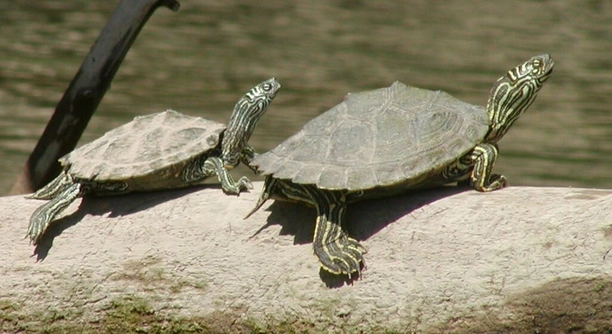
Map turtles are known for their seasonal brumation, a period of dormancy. It’s important to understand the environmental triggers that prompt this natural behavior in order to provide the right conditions for them.
Brumation in map turtles is influenced by several environmental factors, including changes in water temperature, daylight, humidity, and food availability. These triggers signal the turtles to slow down their metabolism and enter a state of dormancy.
Understanding these factors is crucial for ensuring a smooth transition for your map turtle.
Temperature Fluctuations
Map turtles rely on cooler water temperatures to trigger their brumation cycle. As the water temperature drops in late fall and early winter, their metabolism slows down. If the water becomes too warm, they may not enter brumation. The ideal temperature for brumation is usually between 50-60°F. It’s important to monitor the temperature of the water to ensure it falls within the appropriate range. Any significant deviations from this can disrupt the natural process and potentially cause health issues.
Maintaining the correct water temperature encourages map turtles to enter brumation naturally, which is essential for their well-being.
When setting up a habitat, you may want to adjust the temperature gradually. Sudden drops or spikes can stress your turtle and prevent it from entering brumation properly. Consider using a heater with a thermostat for more precise control over the water temperature to avoid unexpected fluctuations.
Daylight Hours
Map turtles use daylight as a signal for brumation. As the days shorten in the fall, the decrease in natural light triggers their dormancy. Providing a light cycle that mimics the changing seasons can help encourage brumation. During winter, a reduced light period will allow your turtle to adjust naturally.
Reducing the light exposure to around 8-10 hours per day mimics the natural environment and encourages the turtle to slow down. Gradual changes in the light cycle help avoid sudden disruptions that can prevent the turtle from brumating effectively.
For optimal results, consider using a timer to regulate the light cycle. This creates a stable and predictable environment for your map turtle, encouraging its biological rhythm to align with the seasons. However, maintaining a consistent light cycle year-round is crucial to prevent confusion in your turtle’s internal clock.
Humidity Levels
Humidity plays a key role in map turtle brumation. Too much or too little moisture can impact their ability to enter dormancy. Ideal humidity levels should be around 70-80%, ensuring a balanced environment for your turtle. Maintaining this humidity helps support its overall health during brumation.
Using a humidifier in the tank or spraying water periodically can help maintain consistent moisture levels. A hygrometer will allow you to monitor the humidity easily.
Without the proper humidity, map turtles may experience dehydration or difficulty breathing, making it harder for them to enter brumation. Proper moisture is critical to their survival during this dormant period.
Food Availability
Map turtles often stop eating during brumation, so their food intake naturally decreases. This lack of food intake during the colder months coincides with the decrease in their metabolic rate. Ensuring they are well-fed beforehand can help prepare them for brumation.
FAQ
How do I know if my map turtle is ready to brumate?
A map turtle may show signs of slowing down, becoming less active and more lethargic. You may notice a decrease in feeding behavior, or it may refuse food entirely. Additionally, its movements might become slower as it prepares for dormancy. If these signs align with the seasonal changes in temperature and daylight, your turtle may be getting ready for brumation.
Should I stop feeding my map turtle during brumation?
Yes, during brumation, map turtles typically stop eating. Their metabolism slows, and they don’t require food during this time. It’s best to stop feeding your turtle as it enters this period to avoid health issues, like digestion problems. Make sure it’s properly hydrated before this phase begins.
Can I force my turtle to brumate if it isn’t showing signs?
Forcing brumation is not recommended. Turtles naturally enter brumation based on environmental cues like temperature and daylight hours. If your turtle isn’t showing signs, it might not be ready. It’s important to let your turtle brumate when it’s biologically prepared for it.
What happens if I don’t let my map turtle brumate?
If your turtle doesn’t brumate, it could lead to stress and a weakened immune system. Not entering brumation may affect its long-term health and lifespan. It’s crucial to follow the natural cycles and provide an environment that supports brumation.
Can my map turtle brumate outside of winter?
While map turtles typically brumate in the winter, changes in temperature, light, and food availability can cause them to enter brumation at different times. If the environmental cues aren’t aligned with the typical winter period, your turtle might not brumate at all, or it may brumate at an unexpected time.
How long should my map turtle brumate?
Brumation typically lasts for 2-3 months, depending on the environmental conditions. It’s important not to let brumation last too long, as it can lead to dehydration or malnutrition. After the brumation period ends, your turtle should slowly transition back to its normal activity levels.
Can my map turtle brumate in a tank?
Yes, map turtles can brumate in a tank if the conditions are right. Ensure the water temperature is sufficiently low, around 50-60°F, and maintain proper humidity levels. Be mindful that the tank environment provides a stable, quiet space where the turtle can rest undisturbed during this time.
How do I prepare my map turtle for brumation?
To prepare your map turtle, gradually reduce the temperature and light exposure over a few weeks. Ensure it is well-fed and hydrated before entering brumation. Monitor its behavior and adjust the environment to make sure it has everything needed for a healthy, smooth transition.
Can I handle my turtle during brumation?
It’s best to avoid handling your turtle during brumation. They are in a dormant state and may become stressed if disturbed. Let your turtle rest undisturbed in its brumation environment, ensuring the space is safe and free of disturbances.
What if my turtle wakes up during brumation?
Map turtles may occasionally wake up during brumation due to fluctuations in temperature or disturbances. If your turtle wakes up, ensure it’s in a calm and stable environment and monitor its activity. Gradually return it to its dormant state as long as the environmental conditions remain conducive to brumation.
Final Thoughts
Understanding the environmental triggers for map turtle brumation is essential for their well-being. Brumation is a natural process that helps these turtles rest and conserve energy during colder months. By providing the right conditions, such as the proper water temperature, humidity, and light cycle, you can support your turtle through this important time. These factors play a crucial role in ensuring your turtle stays healthy during brumation and can easily transition back to normal activity when the period ends.
It’s important to remember that not all map turtles will brumate in the same way. Some turtles may not enter brumation at all, while others may show signs of dormancy at different times of the year. It’s essential to closely observe your turtle’s behavior and adjust the environment accordingly. If your turtle is not showing signs of brumation or if you’re uncertain, consult a vet to ensure it’s healthy and not experiencing any underlying issues.
By following these guidelines, you can provide a safe and supportive environment for your map turtle. Brumation, when managed properly, can help maintain its overall health and ensure a smooth seasonal transition. Taking the time to adjust the conditions in your turtle’s habitat will help it thrive, and understanding these key environmental factors will allow you to care for your turtle more effectively.

Hello,
If you enjoy the content that we create, please consider saying a "Thank You!" by leaving a tip.
Every little bit helps us continue crafting quality advice that supports the health, happiness, and well-being of pets around the world, for pets of all shapes, sizes, and species.
We really appreciate the kindness and support that you show us!