
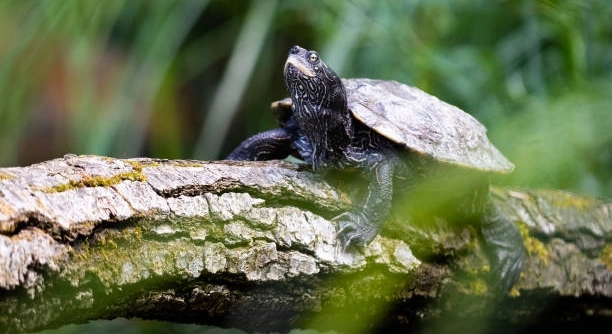
Map turtles are unique and fascinating creatures, but they often come with their own set of misconceptions. These turtles are commonly misunderstood, and many myths surround their care and behavior. Let’s clear up some confusion.
There are several myths about map turtles, such as their diet, care needs, and lifespan. These misconceptions often lead to improper care. In truth, map turtles require a balanced diet, proper habitat, and consistent care to thrive.
By addressing these myths, we can help you take better care of map turtles. Understanding the facts will ensure your turtle stays healthy and happy in its environment.
Myth 1: Map Turtles Only Eat Fish
Many people believe map turtles are strictly carnivorous and only need fish in their diet. This isn’t true. While they can eat fish, map turtles are omnivores, meaning they enjoy a varied diet. In the wild, they consume aquatic plants, insects, small invertebrates, and occasionally fish.
A healthy diet for a map turtle should include a combination of leafy greens, vegetables, and protein sources like insects, worms, or fish. Commercial turtle pellets can also be offered as part of their diet, but they shouldn’t be the sole food. Offering variety ensures they get the necessary nutrients.
Map turtles also need proper calcium intake for strong shells and bones. Without a well-rounded diet, they can develop shell deformities or other health problems. Adding calcium-rich foods like kale, dandelion greens, and occasional cuttlebone can help prevent these issues. Proper diet planning plays a huge role in their overall health and longevity.
Myth 2: Map Turtles Thrive in Small Tanks
Another common misconception is that map turtles don’t need a large tank to live in. In reality, these turtles need space to move around comfortably. A small tank can cause stress, which leads to health problems over time.
Map turtles require a spacious environment with room for swimming, basking, and hiding. A 40-gallon tank or larger is ideal for a single adult. The tank should be equipped with both a water section and a dry basking area. Clean, filtered water and proper UVB lighting are also important to mimic their natural habitat.
Keeping a map turtle in a small tank can cause them to become lethargic or develop poor shell growth. These turtles need room to exercise and explore, which helps maintain their physical and mental well-being. Additionally, the water quality must be carefully monitored and changed regularly to prevent infections. It’s essential to invest in a larger tank from the beginning for a healthy, thriving turtle.
Myth 3: Map Turtles Are Low-Maintenance Pets
Some people think map turtles are easy to care for, needing little attention. While they aren’t as high-maintenance as some pets, map turtles do require consistent care. This includes providing a proper diet, a clean habitat, and the right temperature and lighting.
Map turtles need a well-maintained tank with proper filtration to keep the water clean and clear. The basking area should be equipped with UVB lighting to promote healthy shell and bone development. Temperature management is also crucial. Both the water and basking area need to be kept at specific levels to mimic their natural environment.
Neglecting these factors can lead to health problems such as shell rot, poor growth, and weakened immunity. A consistent routine is key. Regular water changes, diet adjustments, and temperature monitoring are all essential tasks for maintaining a healthy turtle habitat.
Myth 4: Map Turtles Don’t Need Basking
It’s a common belief that map turtles can survive without basking, but they actually need access to UVB light for proper health. Without it, they can develop shell deformities or weakened bones.
Map turtles bask to regulate their body temperature and absorb essential UVB rays. This helps them metabolize calcium, preventing soft shell syndrome. Without a basking spot, they may struggle with their health and immune system. A good basking area should have a heat lamp and UVB light, positioned above a dry platform, allowing them to warm up and absorb the light.
Map turtles typically bask for several hours each day. It’s essential to provide them with a spot to dry off and absorb UV rays, mimicking natural behaviors. Even though they are aquatic animals, their need for heat and light should never be underestimated.
Myth 5: Map Turtles Are Hard to Breed
Map turtles are often seen as difficult to breed, but in the right conditions, they can reproduce fairly easily. Providing the proper temperature, diet, and habitat encourages mating behavior.
Female map turtles require a basking area with proper UVB lighting and a consistent water temperature. They also need space to swim and bury their eggs. Once these factors are in place, the process can be quite smooth. It’s important to ensure the conditions are ideal for both mating and egg-laying.
Map turtles may breed successfully in captivity, but it’s important to know that the process can be delicate. If conditions are wrong, eggs may not develop or hatch properly. Providing the right environment with ample space and the right light is key to successful breeding.
Myth 6: Map Turtles Can Live in Tap Water
Tap water often contains chlorine and other chemicals that can harm map turtles. Using untreated tap water is not advisable for their tank.
Instead, you should treat tap water with a water conditioner to remove harmful chemicals. Alternatively, using filtered or distilled water ensures your turtle stays healthy. It’s essential to test the water regularly for contaminants to maintain a safe environment.
Myth 7: Map Turtles Can Live Alone Forever
Map turtles can live alone but they are social animals that can benefit from companionship. Keeping them with other map turtles or aquatic species can reduce stress and encourage natural behaviors.
FAQ
What size tank do map turtles need?
Map turtles need a large tank to thrive. For an adult, a 40-gallon tank is the minimum size. If you have more than one turtle, you’ll need even more space. A larger tank gives them room to swim, bask, and explore. Providing enough space reduces stress and keeps them healthy. The water should be deep enough for them to swim comfortably. Ensure that the tank has a dry basking area for them to climb onto, with access to heat and UVB lighting.
Can map turtles live in ponds?
Yes, map turtles can live in ponds if they are properly maintained. The pond should be clean, with filtered water, and have a basking area. The pond must be large enough to allow the turtles to swim freely and have space to hide or climb out when they need rest. It’s important to ensure that predators do not pose a threat to the turtles, as well as providing proper UVB lighting and temperature regulation.
How often should I clean the tank?
Regular tank cleaning is essential for maintaining a healthy environment. You should do a partial water change once a week, removing around 25% to 30% of the water. Clean the tank’s filter every few weeks to ensure proper filtration. A full tank cleaning, including scrubbing the surfaces and changing all the water, should be done every 1-2 months. Regular cleaning prevents bacteria buildup and keeps the water fresh, which is essential for your turtle’s health.
Do map turtles need special lighting?
Yes, map turtles need special lighting to stay healthy. UVB lighting is crucial for their well-being as it helps them metabolize calcium, essential for strong bones and shells. The light should be provided for 10 to 12 hours per day. You also need a heat lamp for the basking area, ensuring the temperature stays between 85°F and 90°F. Without proper UVB light, your turtle can develop shell deformities or weakened bones.
What do map turtles eat?
Map turtles are omnivores and require a varied diet. They eat both plant matter and protein. You can feed them leafy greens like kale and dandelion greens, as well as aquatic plants. Protein can come from insects, worms, fish, or shrimp. Commercial turtle pellets can also be included, but should not be the main source of food. Offering variety helps ensure they receive all the necessary nutrients.
How long do map turtles live?
Map turtles can live for quite a long time, often reaching 20 to 30 years with proper care. Some map turtles can even live longer in optimal conditions. Their lifespan depends on factors such as diet, habitat, and health care. Providing the right environment and a balanced diet can help your turtle live a long, healthy life.
Can map turtles live with other pets?
Map turtles can sometimes live with other pets, but it depends on the species. They can live with other map turtles as long as the tank or pond is large enough for them to establish territories. Avoid keeping them with aggressive species that could harm the turtle. If you have other aquatic animals, make sure they are compatible and won’t stress the map turtle. Always monitor the interactions to ensure everyone is getting along.
Do map turtles hibernate?
Map turtles do not hibernate in the traditional sense, but they may undergo a period of dormancy during colder months, especially in outdoor ponds. If kept indoors, map turtles generally remain active year-round. However, during colder seasons, their activity may decrease slightly. If they are housed in outdoor ponds in cold climates, the water temperature should not drop below 50°F to avoid causing stress.
How can I tell if my map turtle is healthy?
Healthy map turtles have clear, bright eyes, a smooth and hard shell, and an active, alert demeanor. A turtle that is eating well, swimming regularly, and basking is likely in good health. Check for any signs of shell damage, discoloration, or softening, as these can indicate health issues. If your turtle is lethargic, has poor appetite, or is showing unusual behavior, it’s best to consult a vet.
What is the ideal water temperature for map turtles?
Map turtles require a water temperature between 70°F and 75°F to stay healthy. If the water gets too cold, they may become sluggish and stressed. During the basking period, the temperature should be between 85°F and 90°F. Using a water heater can help maintain the right temperature in cooler months, especially if you’re keeping your map turtle in an indoor tank.
Are map turtles good pets for beginners?
Map turtles can make great pets for beginners who are willing to learn about their care needs. They do require attention to their habitat, diet, and lighting. However, they are not overly complicated to care for as long as their basic needs are met. A beginner should be prepared to commit time to tank maintenance, feeding, and monitoring the turtle’s health.
Taking care of a map turtle requires a bit of effort, but with the right knowledge, they can make wonderful pets. These turtles are unique and fascinating, with their vibrant markings and active nature. Understanding their basic needs, such as a spacious tank, proper lighting, and a balanced diet, is essential for their well-being. By providing them with the right environment, you can help them live a long and healthy life.
It’s important to remember that map turtles are not low-maintenance pets. They require consistent care to thrive, including regular cleaning of their habitat and monitoring of water conditions. Regular basking, proper UVB lighting, and a varied diet all play significant roles in their overall health. Without these factors, map turtles can face health issues, such as shell deformities and weakened bones, which can be avoided with proper attention and care.
In the end, map turtles can be rewarding pets for those willing to dedicate time and effort. While they are not the easiest pet to care for, they are far from being the most difficult either. By providing the right space, food, and attention, you can enjoy the company of these beautiful creatures for many years to come. Whether you choose to keep one or more, ensuring their habitat is suitable for their needs will help them thrive and live out their full lifespan.

Hello,
If you enjoy the content that we create, please consider saying a "Thank You!" by leaving a tip.
Every little bit helps us continue crafting quality advice that supports the health, happiness, and well-being of pets around the world, for pets of all shapes, sizes, and species.
We really appreciate the kindness and support that you show us!