
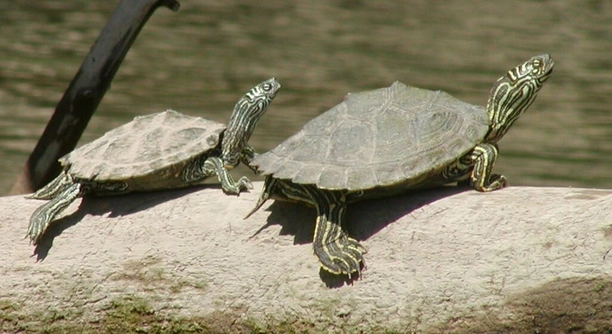
Map turtles are fascinating creatures, and observing their hatchlings can be both exciting and rewarding. However, it’s essential to recognize that sometimes, genetic defects may impact their development. Understanding how to identify these defects can help ensure their well-being.
Genetic defects in map turtle hatchlings can be identified through visible physical abnormalities, behavior changes, or failure to thrive. These signs may indicate underlying genetic issues that require attention for proper care and conservation.
Recognizing early signs of genetic defects can be crucial for the hatchlings’ survival and growth. By learning how to spot these issues, you’ll be better prepared to provide the necessary care and support.
Common Genetic Defects in Map Turtle Hatchlings
Genetic defects in map turtle hatchlings can range from physical deformities to internal health problems. Common issues include shell deformities, such as a misshapen or underdeveloped carapace. This can be caused by mutations or improper embryonic development. Another common defect is metabolic bone disease, which occurs when the turtle’s bones fail to develop properly due to calcium deficiency. These defects are often visible early on, so monitoring hatchlings closely for signs is essential. Some may exhibit irregular behavior, such as difficulty moving or feeding. These genetic issues can significantly impact the survival and quality of life of the hatchlings if not properly addressed.
Genetic problems often cause visible deformities in map turtle hatchlings. These signs include issues with their shell, legs, or overall mobility. Early detection is key to managing these defects.
If you notice a hatchling with physical abnormalities or strange behavior, immediate action is necessary. Providing the right environment, with appropriate lighting, calcium supplementation, and proper feeding, is crucial to their development. While genetic defects can be challenging to address, some can be mitigated with the correct care and intervention. In certain cases, specialized veterinary care may be required to give the hatchling a better chance at survival. Additionally, ensuring the eggs are laid in optimal conditions can help prevent some defects from occurring in the first place. Hatchlings that show signs of these problems may need more attention than others to thrive.
How Genetic Defects Affect the Map Turtle’s Development
Even slight genetic issues can disrupt the development of map turtle hatchlings. These issues can impact their shell growth, bone structure, or overall health. As a result, some hatchlings may fail to grow at a normal rate. Shell abnormalities, such as soft spots or excessive scaling, can lead to long-term health issues. These problems often occur during the incubation period, where incorrect temperature and humidity levels may exacerbate genetic issues. If hatchlings do not receive the right conditions for growth and development, they may face physical challenges later in life.
Recognizing genetic defects early on helps prevent future complications. It allows for timely interventions and can improve the overall health of the hatchlings.
When caring for map turtle hatchlings, it’s essential to ensure they have the right environment. Incubation temperature plays a big role in the development of the embryos, and improper conditions can trigger or worsen genetic defects. Providing a controlled environment with the right humidity, warmth, and access to UVB lighting is necessary for the hatchlings to develop properly. Additionally, a balanced diet is vital to their growth, as inadequate nutrition can further stress their developing bodies. Monitoring their behavior and physical appearance daily can help identify any potential problems early, allowing you to address them before they become severe. While some genetic defects are unavoidable, providing the best possible care can help mitigate their effects.
Identifying Physical Deformities
Physical deformities in map turtle hatchlings can manifest in various ways. Some hatchlings may have a crooked or underdeveloped shell, while others might have misshapen limbs or a soft shell that lacks strength. These abnormalities can be observed soon after hatching, making early detection vital.
When the hatchling’s shell appears soft or malformed, it could indicate an underlying genetic defect, such as a failure in the calcification process. This can be due to genetic mutations or improper incubation conditions. In some cases, the hatchling may also have deformed or missing limbs, which can impair its ability to move or swim. Monitoring hatchlings carefully during the early weeks is essential to identify these issues. These problems often lead to growth problems or difficulty feeding, which can hinder their overall development.
If physical deformities are detected, it’s important to provide proper care right away. These hatchlings will need special attention to ensure their shells receive adequate calcium for strengthening. Depending on the severity of the deformities, they may require veterinary care to support proper growth and health.
Behavioral Signs of Genetic Issues
Changes in behavior can be an important clue to genetic problems in map turtle hatchlings. Turtles that show signs of lethargy, difficulty swimming, or refusal to eat may be experiencing developmental issues caused by genetic defects. Observing these behaviors early on allows you to take action quickly.
Some hatchlings might struggle with movement, either due to weakness or malformation of their limbs. If the hatchling is not as active as its siblings or has trouble reaching food, these could be signs of a genetic issue. Malnutrition or dehydration may also occur if the turtle is unable to feed properly. These behavioral changes can sometimes be subtle, but paying close attention to how each hatchling interacts with its environment can make a big difference. Keeping a log of the hatchlings’ progress helps track any unusual behavior and can guide you in making adjustments to their care.
Taking prompt action is essential if any unusual behavior is noticed. Offering additional support, such as providing extra warmth, proper lighting, and a calcium supplement, can sometimes help address underlying issues. In more serious cases, a veterinarian might need to assess the hatchling’s health further.
Incubation Conditions and Their Impact
The incubation environment plays a significant role in the health of map turtle hatchlings. Incorrect temperature or humidity can exacerbate genetic defects or hinder proper development. Maintaining a stable, appropriate climate is crucial to ensuring healthy hatchlings.
If the temperature or humidity fluctuates too much, it can cause improper shell development or other abnormalities. The incubation conditions should be closely monitored to prevent environmental factors from interfering with the hatchlings’ growth. Consistency is key, as any sudden changes could trigger or worsen defects that are already present due to genetic factors.
It’s important to use a reliable incubator and regularly check the temperature and humidity levels. Ensuring the eggs are in an optimal setting increases the chances of healthy hatchlings emerging.
Monitoring Hatchling Growth
After hatching, it’s essential to monitor the growth of map turtles. Proper growth patterns can indicate whether the hatchlings are developing as expected. Slower or uneven growth may suggest underlying issues, possibly linked to genetic defects or environmental factors.
Regularly observing their size and activity level can help you track their progress. Hatchlings that show stunted growth or fail to gain weight may need adjustments in their diet or environment. A balanced diet rich in calcium and vitamins is critical at this stage to ensure proper shell and bone development. Ensuring hatchlings are active and feeding regularly will also help keep them on track for healthy growth.
Providing an environment where the turtles feel comfortable to explore and feed can make a big difference. As hatchlings grow, it’s important to continue offering proper nutrition and adjust their living space if needed.
Managing Health Through Nutrition
Proper nutrition is crucial for supporting healthy development in map turtle hatchlings. Without the right diet, even hatchlings without genetic defects can experience growth problems. A balanced mix of proteins, calcium, and vitamins is necessary for their overall well-being.
Hatchlings should be fed a diet that includes a variety of food such as insects, small fish, and leafy greens. Calcium is especially important to support shell and bone development. In some cases, adding a calcium supplement or vitamin D3 can help ensure they receive enough of these nutrients. It’s essential to provide proper food sources and avoid overfeeding, which can lead to other health problems.
Keeping the feeding schedule consistent and offering food in manageable portions can also help hatchlings grow at a steady rate. Regularly assessing their condition will help determine if any adjustments are needed to their diet or care.
FAQ
What are the most common genetic defects in map turtle hatchlings?
The most common genetic defects in map turtle hatchlings include shell deformities, such as a misshapen or underdeveloped carapace, and metabolic bone disease. Shell deformities can result from improper development during incubation, causing the shell to be soft or misshapen. Metabolic bone disease, often caused by calcium deficiencies, affects bone growth and strength, making it hard for hatchlings to move or feed properly. These issues can be detected early and often require immediate intervention to manage.
How can I spot a genetic defect in my map turtle hatchling?
Genetic defects in hatchlings can often be seen through physical abnormalities such as a misshapen shell, crooked limbs, or unusual behavior. If a hatchling struggles to move or swim, appears lethargic, or has trouble feeding, these could be signs of a genetic issue. Sometimes, hatchlings may have soft shells or uneven growth, indicating metabolic problems. It’s important to regularly monitor their behavior and growth to identify any signs of genetic defects early on.
Can poor incubation conditions cause genetic defects?
While poor incubation conditions don’t directly cause genetic defects, they can exacerbate existing genetic issues. For example, fluctuating temperatures or humidity during incubation can affect the development of the embryo and result in deformities or health problems. If the conditions are not optimal, hatchlings may be born with more severe defects. Maintaining a stable, appropriate environment is essential to minimize the risk of complications.
How do I provide the best incubation conditions for map turtle eggs?
To provide the best incubation conditions, ensure the temperature remains consistent, typically between 78°F and 82°F (25°C to 28°C). Humidity should be kept at around 80%. An incubator with adjustable settings will give you more control over the environment. It’s important to monitor these factors closely, as fluctuations can cause harm to the developing embryos. Using a thermometer and hygrometer in the incubator will help maintain proper conditions.
What should I do if I notice a hatchling with a deformity?
If you notice a hatchling with a deformity, it’s crucial to act quickly. For minor shell deformities, ensuring proper calcium intake and UVB light exposure may help improve the hatchling’s condition. If you notice more severe deformities or health issues, a veterinarian experienced with reptiles should assess the hatchling. Early intervention can improve the chances of survival and proper development.
Can I treat genetic defects in map turtle hatchlings?
In some cases, genetic defects can be managed, but they cannot be fully “treated.” For example, if a hatchling has metabolic bone disease, providing proper calcium supplementation, UVB light, and a healthy diet can help manage the condition and support bone growth. However, severe deformities may require ongoing care or, in some cases, could be life-limiting. Consulting a veterinarian for guidance is always a good idea to determine the best course of action.
How can I prevent genetic defects in my map turtle hatchlings?
Genetic defects are usually a result of hereditary factors, but some can be prevented by maintaining optimal incubation conditions. Ensuring the temperature and humidity levels are stable during the incubation process can reduce the likelihood of complications. Additionally, healthy breeding stock and proper nutrition for the females before and during egg-laying can support healthier embryos. While genetic issues may still occur, proper care can minimize their impact.
Do map turtles with genetic defects live normal lives?
Map turtles with genetic defects may face challenges in their development and survival, but many can live normal lives with proper care. For instance, hatchlings with minor shell deformities may thrive with adequate calcium and UVB light. However, more severe defects may require ongoing medical attention, special care, and sometimes a different living environment. The ability of the hatchling to lead a normal life will depend on the severity of the defect and the level of care provided.
How do I care for a hatchling with a genetic defect?
Caring for a hatchling with a genetic defect requires extra attention to ensure it gets the proper nutrients and environment for growth. For a hatchling with shell deformities, providing proper UVB lighting, a calcium-rich diet, and a warm, stable environment can help strengthen the shell. Hatchlings with mobility issues may need additional space or different accommodations to help them move and thrive. Regular check-ups with a reptile veterinarian can also help manage any health issues.
What are the signs that a hatchling is not thriving?
Signs that a hatchling is not thriving include a lack of appetite, slow growth, inability to move properly, or difficulty breathing. A hatchling that is lethargic or doesn’t seem to gain weight may also be struggling. These issues can be signs of genetic defects, malnutrition, or improper environmental conditions. Immediate attention and a review of their habitat and diet may be necessary to identify and correct the problem.
How can I improve the chances of a healthy hatchling?
To improve the chances of a healthy hatchling, begin by providing optimal incubation conditions, including the right temperature and humidity levels. After hatching, offer a balanced diet rich in calcium and vitamins, provide proper UVB lighting, and ensure the hatchlings have ample space to move and grow. Keeping their environment clean and stable can also support their health and well-being. Regular monitoring will help catch any early signs of problems so that you can address them before they become serious.
Final Thoughts
Caring for map turtle hatchlings can be a rewarding experience, but it comes with its challenges. Genetic defects are one of the more complex aspects to manage when raising these turtles. While some defects are genetic and unavoidable, others can be influenced by environmental factors like incubation conditions. Being vigilant and observant is key to identifying potential problems early. Whether it’s a physical deformity or a behavioral issue, early detection can make a big difference in the hatchlings’ overall health and survival rate. By providing a stable environment, proper nutrition, and the right care, you can give these hatchlings the best chance to thrive.
Genetic defects are a part of life for many species, and map turtles are no exception. While some hatchlings may have defects that affect their growth and development, it’s important to understand that these challenges do not define their entire life. With the right attention and interventions, many turtles can lead fulfilling lives. It’s essential to approach these issues with patience and care. If a hatchling has a defect that requires special treatment, don’t hesitate to seek professional advice or veterinary care. The goal is always to provide the best possible care and help the turtle overcome its challenges.
Ultimately, the most important thing you can do is to stay informed and proactive. Educate yourself about the different genetic defects that may affect map turtle hatchlings and learn the best ways to manage them. By creating the best possible environment and offering the right diet, you can help these hatchlings grow into healthy, strong turtles. Remember that not every defect is the same, and the needs of each hatchling may differ. Each step you take to care for them, whether it’s adjusting the lighting or providing additional supplements, helps ensure their well-being. While challenges are inevitable, your knowledge and care will make all the difference in their growth and happiness.

Hello,
If you enjoy the content that we create, please consider saying a "Thank You!" by leaving a tip.
Every little bit helps us continue crafting quality advice that supports the health, happiness, and well-being of pets around the world, for pets of all shapes, sizes, and species.
We really appreciate the kindness and support that you show us!