
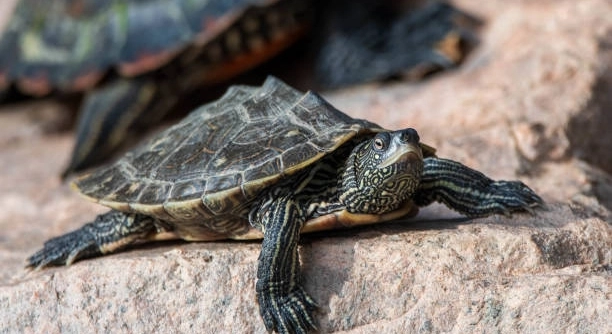
Map turtles require a diet that is rich in nutrients to stay healthy and thrive. Including a variety of vegetables in their meals can provide essential vitamins and minerals. Choosing the right foods will help meet their dietary needs.
Feeding map turtles with nutritious vegetables is crucial for their overall health. Vegetables like kale, collard greens, and squash are excellent sources of vitamins A and C, which support their immune system and shell health.
Choosing the right vegetables can help you maintain your turtle’s well-being. In the following sections, we will guide you on the best vegetables to feed your map turtle and how to properly prepare them.
1. Kale: A Green Powerhouse for Map Turtles
Kale is a great choice for map turtles due to its high levels of calcium and vitamins A and C. These nutrients are essential for maintaining strong bones and a healthy immune system. Kale also contains antioxidants, which can help protect your turtle from harmful free radicals. When feeding kale, be sure to remove the tough stems, as they can be difficult for turtles to chew and digest. Fresh, leafy kale is the best option, as frozen varieties may lose some of their nutritional value.
Incorporating kale into your turtle’s diet is easy. Simply chop it into bite-sized pieces, and offer it as part of a balanced meal. You can mix it with other vegetables to keep things varied.
However, it’s important not to overfeed kale. While it’s nutrient-dense, it should not be the only food in their diet. Offering a mix of vegetables, along with occasional protein, ensures they get all the nutrients they need to thrive.
2. Collard Greens: A Staple for Map Turtles
Collard greens are another excellent vegetable for your map turtle. High in calcium and fiber, these greens support strong bones and digestion. They also provide essential vitamins A and C. These nutrients contribute to your turtle’s shell health and immune function.
Collard greens can be offered to your map turtle raw or lightly steamed. Steaming helps soften the leaves, making them easier to chew. Chop the greens into manageable pieces, ensuring they are small enough for your turtle to handle.
Feeding collard greens regularly will help your map turtle maintain its health. Offering these greens alongside other leafy vegetables creates a varied diet that supports overall well-being. Collard greens also provide a source of fiber that helps keep your turtle’s digestive system working properly. This makes them an ideal part of their regular meals.
3. Squash: A Tasty Addition to Your Turtle’s Diet
Squash is rich in vitamins A and C, making it a nutritious food option for your map turtle. It’s also a good source of fiber, which aids in digestion. Both the flesh and skin of squash are safe for turtles, though it’s best to peel tougher varieties like acorn squash before serving.
To prepare squash for your turtle, slice it into manageable pieces. You can feed it raw or cook it lightly, but avoid adding seasonings or oils. The soft texture of squash is easy for turtles to eat, and they usually enjoy the sweet taste. It can be a great way to add variety to their diet, as turtles often enjoy the change in flavor.
Squash also provides important hydration for your turtle. Because it contains a high water content, it can help keep your turtle hydrated, especially if it isn’t getting enough water from other sources. Including squash alongside other veggies can balance your turtle’s meals and keep it healthy.
4. Carrots: A Crunchy and Colorful Vegetable
Carrots are packed with beta-carotene, which converts into vitamin A in the body. Vitamin A plays a key role in maintaining your map turtle’s vision, immune system, and skin health. Carrots also contain fiber, which supports digestion.
Carrots should be offered in small pieces, as they can be tough for your turtle to chew if left in large chunks. You can grate or finely chop the carrot to make it easier for them to consume. While raw carrots are fine, you can also lightly steam them to soften the texture if needed.
Occasionally feeding carrots is beneficial, but they should not be the primary vegetable in your turtle’s diet. Too many carrots can lead to an imbalance in nutrients, as they are high in sugars. Moderation is key to ensuring your map turtle gets the full range of nutrients it needs.
5. Dandelion Greens: A Nutritious Wild Green
Dandelion greens are packed with vitamins A, C, and K. These nutrients are essential for your map turtle’s bone health and immune system. The leaves also contain antioxidants that help protect your turtle from damage caused by free radicals.
Dandelion greens are easy to find and inexpensive. You can gather them from your garden or purchase them from a store. Make sure they haven’t been treated with pesticides before feeding them to your turtle. Wash them thoroughly to remove any dirt or chemicals.
6. Cucumber: A Hydrating and Light Option
Cucumbers are mostly water, making them a great hydrating food for your map turtle. They are low in calories but provide some fiber, making them a light option for your turtle’s diet.
Although cucumbers are not highly nutrient-dense, they can be a refreshing treat, especially in warmer weather. Offering them alongside other vegetables can help keep your turtle hydrated. Be sure to remove the skin if it’s thick or tough, as this can be difficult for your turtle to digest.
FAQ
What vegetables should I avoid feeding my map turtle?
Certain vegetables should be avoided, as they can harm your map turtle’s health. Vegetables like iceberg lettuce, spinach, and potatoes are not ideal. Iceberg lettuce lacks essential nutrients and offers little benefit. Spinach contains oxalates, which can interfere with calcium absorption, leading to health issues. Potatoes, especially raw, can be toxic to turtles due to the presence of solanine. Be sure to stick to safe and nutritious vegetables like kale, collard greens, and squash for a healthy diet.
Can map turtles eat fruit?
Map turtles can eat fruit in moderation. Fruits like strawberries, blueberries, and melon are safe and can be offered as treats. However, fruits are high in sugar and should not make up the majority of their diet. Too much fruit can lead to obesity and other health issues. Always balance fruit with leafy greens and other vegetables to provide a more balanced, nutrient-rich diet.
How often should I feed my map turtle vegetables?
Map turtles should be offered fresh vegetables daily. A varied diet will ensure they receive a good balance of vitamins and minerals. You can alternate between different vegetables like kale, squash, and dandelion greens to keep things interesting. Remember, a mix of vegetables and occasional protein like insects or fish will help your turtle maintain optimal health.
Can map turtles eat lettuce?
While some types of lettuce are safe for map turtles, they should not be a primary food source. Romaine lettuce is the best option, as it has more nutrients than iceberg lettuce. Iceberg lettuce should be avoided due to its lack of nutritional value. Offer lettuce occasionally as part of a varied diet, but do not rely on it for regular feedings.
Are there any vegetables that help with my turtle’s shell health?
Yes, some vegetables can help support your turtle’s shell health. Dark leafy greens, such as kale and collard greens, are rich in calcium, which is crucial for shell growth and maintenance. Calcium is also essential for overall bone health, so providing your turtle with calcium-rich vegetables will support both shell strength and overall well-being. You can also consider supplementing their diet with a calcium powder if needed.
Is it okay to feed my map turtle vegetables that are cooked?
You can cook certain vegetables, like squash and carrots, before feeding them to your map turtle. Cooking softens the texture, making it easier for your turtle to chew and digest. However, avoid adding any seasonings or oils, as these can be harmful. Always chop vegetables into small, manageable pieces, whether raw or cooked. Fresh, uncooked vegetables are still a great option, especially for leafy greens like kale.
How can I tell if my map turtle is getting enough nutrition from vegetables?
A healthy map turtle should have a strong, intact shell, clear eyes, and an active demeanor. If your turtle is eating a variety of vegetables and has a balanced diet, they will generally show good signs of health. Keep an eye on their appetite and behavior; a loss of appetite or lethargy could indicate that they are not receiving enough nutrition. If you notice these signs, consult a veterinarian for advice on their diet.
Can I feed my map turtle vegetables from my garden?
You can feed your map turtle vegetables from your garden, as long as they haven’t been treated with pesticides or chemicals. Organic gardening is ideal, but if you’re unsure about the safety of the vegetables, it’s best to wash them thoroughly. Avoid feeding your turtle plants that are toxic to them, such as certain flowering plants. Stick to common, safe vegetables like dandelion greens, kale, and squash.
Should I feed my map turtle vegetables alone or mix them with other foods?
It’s best to mix vegetables with other foods to provide a balanced diet. Map turtles need a mix of plant-based foods and protein for optimal health. Offering protein-rich foods like insects, worms, or small fish will supplement their diet. A variety of vegetables ensures they get a full range of vitamins and minerals, while occasional protein will provide the necessary amino acids for growth and energy. Make sure to keep their meals diverse and well-rounded.
What happens if I feed my map turtle too many vegetables?
Feeding your map turtle too many vegetables, especially those high in fiber like dandelion greens, can lead to digestive issues such as diarrhea or bloating. Overfeeding can also cause an imbalance in their diet, particularly if vegetables are provided without enough protein. Always balance vegetables with occasional protein sources and avoid overfeeding to maintain your turtle’s health. Stick to a portion size appropriate for their size and age.
Final Thoughts
Feeding your map turtle a variety of nutritious vegetables is essential for its health and well-being. Leafy greens like kale and collard greens, along with other vegetables like squash and carrots, provide essential vitamins and minerals that support bone strength, shell health, and overall immune function. Offering these vegetables regularly will ensure your turtle gets the nutrients it needs for a long, healthy life. Remember to offer a variety of vegetables to keep their diet interesting and balanced, and always keep portion sizes in mind.
It’s important to remember that vegetables should only be part of your turtle’s diet. Map turtles also need a good source of protein to stay healthy. Foods like insects, worms, and fish should be included in their diet to provide essential amino acids and energy. A proper balance between plant-based foods and protein will support your turtle’s growth, shell maintenance, and overall health. Offering a mix of vegetables and protein also helps avoid nutritional imbalances, which can lead to health problems down the line.
Lastly, always pay attention to how your turtle reacts to different vegetables and adjust their diet accordingly. Some turtles may have preferences or sensitivities to certain foods. If you notice any signs of health issues, such as loss of appetite or lethargy, consider reviewing their diet and consulting with a veterinarian. A healthy diet, combined with proper care and a suitable environment, will help your map turtle thrive for years to come.

Hello,
If you enjoy the content that we create, please consider saying a "Thank You!" by leaving a tip.
Every little bit helps us continue crafting quality advice that supports the health, happiness, and well-being of pets around the world, for pets of all shapes, sizes, and species.
We really appreciate the kindness and support that you show us!