
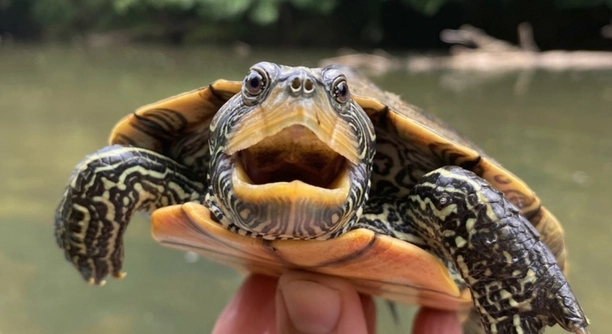
Overcrowding in a tank can be a serious concern for map turtles. It’s important to maintain a proper balance in the environment for their well-being. Knowing how to manage the space in their habitat will improve their health and comfort.
The most effective way to prevent overcrowding in a map turtle tank is by limiting the number of turtles based on tank size. Each turtle requires sufficient space for swimming, basking, and hiding to ensure they remain stress-free and healthy.
Maintaining the right number of turtles in your tank not only ensures a comfortable environment but also promotes better water quality. This article will guide you through the steps to avoid overcrowding.
Understanding Tank Size and Turtle Population
The tank size you choose for your map turtles plays a crucial role in preventing overcrowding. A general rule of thumb is to provide at least 10 gallons of water per map turtle. If you have more than one turtle, increase the tank size accordingly. A cramped tank not only stresses your turtles but can also lead to health problems such as shell deformities and behavioral issues. Turtles need enough space to swim and bask comfortably, as well as areas to hide when they feel threatened. It’s easy to underestimate how much room they actually need, so make sure the tank size matches their growth.
The bigger the tank, the better for your map turtles. It provides them with room to roam and keeps their environment cleaner.
When determining how many turtles to keep in the tank, consider their size and behavior. Juvenile turtles can share a space more easily, but as they grow, they need more room. Map turtles are territorial creatures, and overcrowding can cause aggression and fighting. By keeping a close eye on the number of turtles and their behavior, you can avoid unnecessary stress or injury. A larger tank also helps maintain better water quality by providing more surface area for filtration. This ensures that your turtles have a cleaner, healthier environment to thrive in.
Proper Filtration and Water Quality
Water quality is essential in preventing overcrowding issues. With too many turtles, the water can become polluted quickly, making it harder for turtles to live comfortably. Use a high-quality filter suited for the tank size to keep the water clean and clear. A proper filtration system will remove waste and debris, reducing the risk of waterborne diseases.
Turtles produce a lot of waste, and keeping their water clean is a key factor in their well-being. Regular water changes are also necessary for maintaining optimal water quality.
Providing Enough Basking Areas
Make sure there are enough basking spots for each turtle in the tank. If you only have one area for them, it can lead to competition. Turtles need time to dry their shells and absorb heat. This helps them stay healthy and active. Adding extra platforms or rocks can help reduce the stress of overcrowding and give them more freedom.
Each turtle should have its own designated space to bask comfortably. This prevents them from fighting over limited spots and ensures they can enjoy the benefits of basking without interruptions. Turtles need to maintain body temperature to stay healthy, and a variety of basking areas ensures they all have access when needed.
Providing multiple basking areas also helps with tank management. It reduces the chances of turtles fighting or getting stressed. It can be as simple as adding extra flat rocks or installing a second basking platform. This small change can make a huge difference in the overall comfort of your turtles.
Monitoring Turtle Behavior
It’s essential to monitor the behavior of your map turtles closely. Overcrowding often results in increased stress and aggression. If you notice constant chasing or territorial disputes, it’s a sign that there might be too many turtles in the tank. Pay attention to any signs of fighting or unusual behavior, as these can lead to injuries or stress-related health issues.
Aggressive behaviors can also cause problems with their feeding and overall health. A stressed turtle may refuse to eat, leading to malnutrition. If you see your turtles becoming increasingly aggressive, it may be necessary to reduce the population or increase the space they have. Healthy turtles are active, curious, and calm, so watch for changes in their demeanor that could indicate overcrowding.
Feeding Properly
Overfeeding can contribute to overcrowding issues. If there are too many turtles in the tank, the excess food can make the water dirty quickly. Make sure you feed them the right amount and remove any leftover food to prevent it from decomposing. This helps maintain water quality and keeps the environment healthy.
Proper feeding is crucial to ensuring your turtles aren’t fighting over food. If there are too many turtles, some may not get enough to eat, leading to malnutrition. Establish a routine to feed them separately or in controlled amounts, avoiding food competition.
Tank Decorations and Hiding Spots
Tank decorations and hiding spots are just as important as space. Turtles need places to hide when they feel stressed or need privacy. Adding caves or other hiding spots can help create a more comfortable environment for them. These additions also make it easier to reduce aggression caused by overcrowding.
Having multiple hiding spots allows each turtle to retreat when it feels threatened, which reduces stress and fights. It also gives them a chance to regulate their own space and avoid interactions that might lead to trouble.
FAQ
What size tank do I need for map turtles?
Map turtles need at least 10 gallons of water per turtle. If you have more than one, increase the tank size by 10 gallons for each additional turtle. This allows enough space for swimming and basking, reducing the chances of overcrowding. The tank should be long and wide to offer a more natural environment for your turtles.
Can I keep more than one map turtle in the same tank?
Yes, but make sure you have enough space. Map turtles are social but territorial. They need enough room to avoid conflicts. For every additional turtle, you should add 10 gallons of water. A larger tank will help ensure they have space to swim, bask, and hide.
How can I prevent turtles from fighting in the tank?
Provide enough basking spots and hiding places. Turtles may fight if they feel cramped or stressed, so having multiple basking platforms and caves will help them avoid each other. Also, monitor their behavior for signs of aggression and consider separating them if necessary.
How often should I clean the tank?
Regular cleaning is essential to maintain water quality. Perform partial water changes every week, replacing 20-30% of the water. Clean the filter regularly to ensure it works efficiently. If you have many turtles, you may need to clean the tank more often.
How do I know if my tank is overcrowded?
Watch for signs of stress, aggression, or changes in behavior. If your turtles are constantly fighting, swimming erratically, or refusing to eat, it may be a sign of overcrowding. A cramped environment can lead to health problems, so ensure your tank has enough space for each turtle to live comfortably.
Do map turtles need UVB lighting?
Yes, map turtles need UVB lighting for proper health. UVB light helps them synthesize vitamin D3, which is essential for shell development and calcium absorption. Without UVB lighting, they may develop shell deformities or other health issues. Ensure your tank has both UVA and UVB lighting to provide a natural day-night cycle.
How much should I feed my map turtles?
Feed your map turtles once a day, offering them a balanced diet of commercial turtle pellets, live food like insects, and fresh vegetables. The amount of food should be small enough that they can finish it in 10-15 minutes. Overfeeding can cause the water to become dirty and lead to health problems.
Can I keep baby and adult map turtles together?
It’s not recommended to house baby and adult map turtles together unless the tank is large enough. Adults may become aggressive towards smaller turtles, especially when competing for food or basking spots. If you decide to house them together, ensure there are plenty of hiding spots and separate feeding areas.
What is the best water temperature for map turtles?
Map turtles thrive in water temperatures between 75-80°F (24-27°C). Maintaining this temperature range helps them stay active and healthy. If the water is too cold, they may become sluggish and prone to illness. Use a submersible heater to keep the temperature stable.
How do I prevent algae growth in the tank?
Algae growth is common in turtle tanks due to excess light and nutrients in the water. To prevent algae, limit the amount of time the lights are on, and make sure you’re not overfeeding your turtles. Use a filter that removes waste and consider adding algae-eating creatures, such as snails, to help control growth.
Should I add a substrate to my turtle tank?
Adding substrate to a turtle tank can help create a more natural environment, but it’s optional. If you do use substrate, choose smooth, non-sharp materials like river rocks or sand. Avoid fine gravel, which can be ingested by turtles and cause digestive issues.
Can I use tap water for my turtle tank?
Tap water is generally fine for map turtles, but you should dechlorinate it before adding it to the tank. Chlorine and chloramine can harm turtles and beneficial bacteria in the tank. You can use a water conditioner to remove these chemicals and ensure the water is safe for your turtles.
How do I keep my turtles healthy?
To keep your turtles healthy, provide a balanced diet, clean water, proper lighting, and enough space. Regularly monitor their behavior and environment to ensure they aren’t stressed. Keep the tank clean and maintain the right water temperature. By providing the right care, your turtles can live a long, healthy life.
Can I use a filter to prevent overcrowding?
While a filter helps maintain water quality, it doesn’t prevent overcrowding. A filter can remove waste and keep the water clean, but overcrowding still depends on how many turtles are in the tank. Always ensure you have enough space for each turtle to live comfortably.
How do I reduce the chance of shell rot?
Shell rot can occur when water quality is poor or if turtles are stressed. To reduce the chance of shell rot, keep the water clean, provide UVB lighting, and ensure your turtles have enough basking spots to dry their shells. A healthy environment is key to preventing shell rot.
Keeping map turtles healthy and happy involves more than just feeding them and providing water. It’s important to maintain the right environment to prevent overcrowding, which can cause stress and health issues. The size of the tank, the number of turtles, and the quality of their living conditions are all key factors in creating a comfortable space for them to thrive. When overcrowding occurs, it can lead to aggression, poor water quality, and an overall decline in your turtles’ well-being.
One of the most important things to remember is that each turtle needs its own space. A 10-gallon tank for each turtle is a good starting point, but you should always consider how the space can accommodate their natural behaviors. Map turtles need room to swim, bask, and hide. Without enough space, they may feel cramped and stressed, which could result in unhealthy behavior and a decline in their physical health. In addition to the proper tank size, it’s crucial to ensure there are enough basking areas and hiding spots to prevent competition and aggression. Having multiple places for your turtles to bask or retreat to can make a big difference in creating a peaceful environment.
Along with providing enough space, it’s important to maintain water quality and cleanliness. Regular water changes and proper filtration are essential to avoid the build-up of waste, which can lead to algae growth and poor water conditions. Turtles are sensitive to their environment, and keeping their habitat clean helps prevent issues like shell rot and skin infections. Monitoring their behavior is also necessary to spot any signs of stress or aggression, which can be indicators of overcrowding. By keeping these factors in check, you’ll be able to provide a comfortable home for your turtles where they can grow and thrive.

Hello,
If you enjoy the content that we create, please consider saying a "Thank You!" by leaving a tip.
Every little bit helps us continue crafting quality advice that supports the health, happiness, and well-being of pets around the world, for pets of all shapes, sizes, and species.
We really appreciate the kindness and support that you show us!