
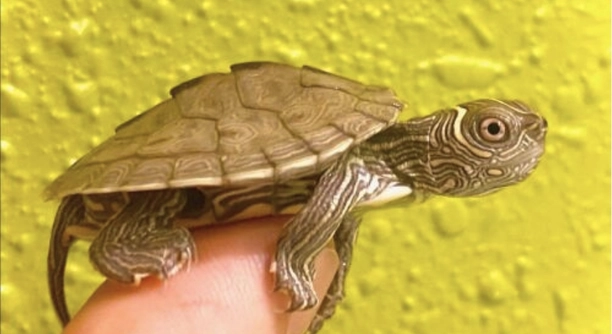
Minor Map Turtles, like any pet, can sometimes face minor injuries. Whether it’s a scratch or a small wound, it’s important to know how to care for them effectively at home. In these situations, home remedies can help.
Minor injuries in Map Turtles can often be treated with simple home remedies like cleaning the wound, applying antibacterial ointments, and offering a clean environment. It is essential to monitor the healing process and provide proper care.
These remedies can support your turtle’s recovery and prevent further complications. Proper care ensures your turtle stays healthy and happy in its environment.
Cleaning the Wound Properly
When your Map Turtle experiences a minor injury, the first step is to clean the wound. Using clean, lukewarm water, gently rinse the area to remove any dirt or debris. Avoid using harsh chemicals or soap, as these can irritate the sensitive skin of your turtle. You may also use a mild antiseptic solution made specifically for reptiles, as it will not cause harm to their skin or shell. It is crucial to be gentle, as turtles are delicate creatures, and rough handling can cause additional stress.
After cleaning, pat the area dry with a soft, clean towel. Make sure the turtle remains calm and does not try to escape, as movement may reopen the wound. Once the wound is clean and dry, you can apply a thin layer of antibacterial ointment to prevent infection. Remember to avoid using too much ointment, as it could hinder the healing process.
This simple step can significantly reduce the risk of infection. It also sets the foundation for a speedy recovery when combined with proper care. Keeping the wound clean prevents further complications and promotes better health.
Creating a Safe, Clean Environment
A clean, stress-free environment is key to helping your turtle recover. Ensure that the tank is free of debris and bacteria.
By maintaining a well-kept habitat, you reduce the risk of infection and encourage healing. This includes regular cleaning of the tank and replacing the water frequently. Also, make sure that the temperature and humidity are optimal, as these conditions help your turtle’s immune system function properly.
Applying Antibacterial Ointment
After cleaning the wound, applying an antibacterial ointment is an important step. Use a reptile-safe ointment to prevent any possible infections. Apply a small, thin layer over the injured area. Avoid using products meant for humans, as they can contain ingredients harmful to turtles. Gently apply the ointment with a clean cotton swab or your fingertip, being careful not to touch the wound too roughly.
Ensure that the ointment is evenly spread and not too thick. If your turtle tries to rub or lick it off, don’t worry—it’s a natural reaction. Just reapply the ointment as needed. Keeping the injury clean and protected will help it heal faster and more effectively. It’s important to check the area regularly for any signs of infection, like swelling or redness, which may require a visit to the vet.
Proper application of ointment is essential for healing. Over time, the wound should start to show signs of recovery, with reduced swelling and no signs of infection. A clean, well-maintained injury area will significantly lower the risk of complications.
Providing Proper Nutrition
To help your turtle heal, providing a balanced diet is crucial. Ensure that your turtle’s diet includes a variety of vitamins and minerals. Fresh vegetables, high-quality pellets, and occasional protein sources like insects or small fish can support the healing process.
A well-balanced diet boosts the immune system and promotes overall health. Adding vitamin supplements, like calcium and Vitamin D3, can aid in bone and shell recovery if your turtle is recovering from an injury. Make sure the food is fresh, clean, and appropriate for your turtle’s species. Always remove uneaten food to maintain a clean environment. This simple dietary support will not only aid healing but also improve your turtle’s overall health.
Ensuring Proper Hydration
Hydration is crucial for a turtle’s recovery. Make sure your turtle has access to clean, fresh water at all times. Dehydration can slow down the healing process and make the injury more prone to infection.
Monitor your turtle’s water intake to ensure it’s drinking enough. Changing the water regularly is important to keep it clean. Fresh, clean water helps flush out toxins and supports the turtle’s immune system, encouraging quicker recovery. Keep the water at an appropriate temperature to ensure your turtle feels comfortable drinking.
Using Epsom Salt Baths
An Epsom salt bath can be beneficial for minor turtle injuries. Dissolve a small amount of Epsom salt in warm water, ensuring the water is not too hot. Place your turtle in the bath for 10–15 minutes. This helps reduce swelling and promotes healing.
Epsom salt baths can provide soothing relief and speed up the recovery process. Be sure to dry the turtle gently after the bath and return it to its clean, dry habitat. While this treatment can assist in healing, it should not replace other care methods like antibacterial ointment.
FAQ
What are the first steps I should take when my Map Turtle gets injured?
The first thing to do is to clean the wound gently with lukewarm water. Use a soft cloth or cotton to remove any dirt or debris. After cleaning, apply an appropriate antibacterial ointment designed for reptiles to help prevent infection. Always ensure the injury is dry and clean before applying any ointment. Keeping the turtle calm during this process will also help avoid further stress or injury.
How can I prevent infections in a minor injury?
To prevent infections, it’s essential to clean the injury thoroughly and regularly. Apply a thin layer of antibacterial ointment after cleaning the area. Ensure the turtle’s habitat is clean and free from bacteria, as a dirty environment can cause infection. Also, monitor the wound closely for any signs of swelling, redness, or discharge, which may indicate infection. If the injury doesn’t improve or worsens, contact a vet for further guidance.
How long does it take for a minor Map Turtle injury to heal?
The healing time for a minor injury can vary, but generally, small cuts or abrasions on Map Turtles heal within 7 to 14 days, depending on the severity of the wound. During this period, keep the wound clean and protected, and ensure that the turtle’s environment is optimal for recovery. A well-maintained habitat with the right temperature and humidity can also contribute to faster healing.
Should I restrict my turtle’s movement during the healing process?
Yes, it’s a good idea to limit your turtle’s movement to prevent further strain on the injured area. Avoid handling the turtle too much, as excessive movement can cause the injury to reopen or worsen. If possible, place the turtle in a small, safe area that discourages excessive movement and stress while it heals. It’s important to let the wound heal without causing additional harm.
Can I use any home remedy to treat my Map Turtle’s injury?
While some home remedies, like Epsom salt baths, can be helpful in soothing the injury and reducing swelling, they should not replace medical care. The most important step is to clean the wound, apply reptile-safe ointments, and maintain a clean environment. Always consult a veterinarian if the injury doesn’t seem to heal or worsens.
Is it okay to use human ointments for my turtle’s injury?
No, it is not safe to use human ointments or creams for a Map Turtle’s injury. Many of these products contain ingredients that are harmful to reptiles. Instead, always opt for ointments that are specifically formulated for reptiles. These will be safe and effective in preventing infections and promoting healing.
How often should I change the water for my Map Turtle while it’s healing?
During the healing process, it’s essential to change the water in your turtle’s tank regularly. At a minimum, change the water every two days to keep it clean and free of bacteria. If you have a filter, you may be able to change the water less frequently, but always make sure the water stays fresh and clean.
Can a Map Turtle still eat if it has an injury?
Yes, a Map Turtle can still eat with a minor injury. However, it’s important to offer softer, easier-to-digest foods while it’s healing, as this will reduce stress and prevent any complications. Ensure that your turtle is eating and drinking enough to stay hydrated and healthy. If you notice a lack of appetite, it may be a sign of infection or other health concerns, so contact a veterinarian if needed.
When should I contact a vet for my Map Turtle’s injury?
If the injury shows signs of infection, such as swelling, pus, or excessive redness, it’s important to seek veterinary attention. Additionally, if the injury doesn’t show improvement after several days of care, or if your turtle seems lethargic or is avoiding food, consult a vet for proper treatment. It’s always better to be cautious and get expert advice to ensure the health and well-being of your turtle.
Can the injury affect my turtle’s shell or overall health?
Minor injuries to the soft parts of a Map Turtle, like the limbs or neck, usually don’t affect the shell. However, if the injury is severe or if it becomes infected, there may be a risk to the overall health of your turtle. Always keep an eye on the healing process and consult a vet if you’re concerned about any complications. A well-maintained environment and proper care will help avoid long-term effects.
Final Thoughts
Taking care of a minor injury on your Map Turtle requires attention, patience, and proper care. By following the steps outlined, such as cleaning the wound, applying antibacterial ointment, and maintaining a clean environment, you can significantly reduce the risk of infection and support the healing process. Providing the right diet and hydration also plays a crucial role in the recovery of your turtle. Proper nutrition, including a balanced diet with the necessary vitamins and minerals, will strengthen your turtle’s immune system and help it heal more effectively.
While treating a minor injury can be straightforward, it is important to remain vigilant. Always check the injury regularly for any signs of infection, such as increased swelling, redness, or discharge. If you notice any changes or if the wound doesn’t seem to heal properly, don’t hesitate to contact a veterinarian. A professional can offer additional treatment or guidance if needed. Sometimes, injuries may seem minor but can develop into bigger problems if not properly addressed. Prompt care will reduce the chance of complications and ensure a quicker recovery.
Ultimately, your Map Turtle’s health and well-being are in your hands. By providing the right environment, good nutrition, and the proper treatment for its injury, you give your turtle the best chance to recover and live a healthy life. Regular monitoring and care will help prevent any future issues and ensure your turtle remains happy and healthy. If you ever feel uncertain about the healing process, consulting a vet is always the best course of action.

Hello,
If you enjoy the content that we create, please consider saying a "Thank You!" by leaving a tip.
Every little bit helps us continue crafting quality advice that supports the health, happiness, and well-being of pets around the world, for pets of all shapes, sizes, and species.
We really appreciate the kindness and support that you show us!