
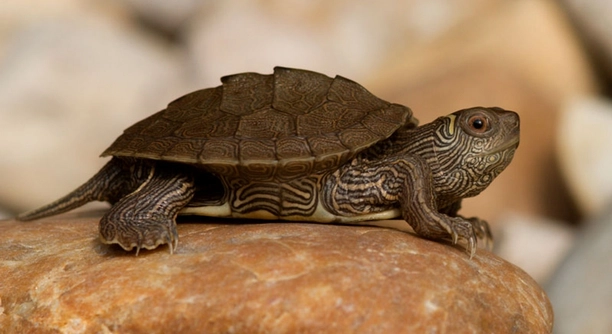
Map turtles are fascinating creatures, and their behavior can be just as intriguing. In the wild, these turtles exhibit some rare and unique actions that help them adapt to their environment and ensure their survival.
Wild map turtles are known for their distinct behaviors, such as basking in groups on logs, often seen in the early morning hours. Additionally, they exhibit a territorial nature by aggressively defending their basking spots from other turtles.
Understanding these behaviors provides insight into how map turtles navigate their habitats and interact with one another. The following article will explore these rare and fascinating behaviors in detail.
Why Do Map Turtles Bask Together?
Map turtles often bask in large groups on logs or rocks, especially in the early morning hours. This behavior helps regulate their body temperature and dry out their shells. By sharing basking spots, turtles also reduce the risk of predators.
Exploring the Group Dynamics
Basking together provides a social structure among map turtles. Dominant turtles often claim the best spots, while others must wait or find alternative locations. This behavior helps maintain order and avoid conflicts.
Territorial Defenses
Map turtles are territorial, particularly when it comes to their basking spots. Aggressive interactions can occur between males, especially during mating season. Defending these locations ensures access to resources and safety from predators.
Unique Feeding Habits of Map Turtles
Map turtles exhibit interesting feeding habits, often preferring a varied diet. They consume aquatic plants, small fish, and invertebrates. Their sharp jaws allow them to tear through soft materials, making them effective foragers in their habitats.
Map turtles typically feed in shallow waters where they can easily find prey. Their hunting strategy involves waiting for the right moment to strike, often sitting still and waiting for fish or invertebrates to swim close. Some species even feed on algae that grows on submerged rocks, a food source that is easily accessible.
When hunting for fish, map turtles employ a “sit-and-wait” strategy, using their camouflage to blend in with the environment. This helps them remain undetected until prey swims within reach. They also have excellent eyesight, enabling them to spot potential meals from a distance.
Mating Behavior
Map turtles engage in complex mating rituals that are fascinating to observe. The males often perform elaborate displays to attract females. These behaviors vary by species, but the underlying goal is the same: to court a female for reproduction.
During mating season, males may approach females and display a series of movements, such as touching the female’s face with their long claws or performing a slow rocking motion. These displays are a sign of courtship, with males attempting to show off their strength and health. The female may take some time to evaluate the male before allowing him to mate.
This courtship behavior is critical to the survival of map turtles, as it ensures that the strongest males pass on their genetic traits. Once mating occurs, the female will retreat to a safe area to lay her eggs. The process is a delicate balance of competition and selection, ensuring only the fittest survive.
Nesting Behavior
Map turtles are selective when choosing a nesting site. They prefer areas with loose, sandy soil, providing an easier environment to dig their nests. After finding a suitable spot, the female turtle lays her eggs and covers them carefully.
These turtles often travel long distances to find the perfect location for nesting. They seek spots away from predators, such as areas with little human disturbance or other animals. Once the eggs are buried, the female returns to the water, leaving the eggs to incubate on their own.
Predation Risks
Map turtles face significant predation risks, especially during their early life stages. Eggs and hatchlings are particularly vulnerable to predators like raccoons, birds, and fish. In some regions, adults can also fall prey to larger predators, but their hard shells offer a degree of protection.
The young turtles must be quick to escape predators after hatching. Their survival depends on their ability to find water quickly and evade dangers. Hatchlings often use instinct to head straight toward the nearest body of water, where they are less exposed to threats.
FAQ
What do map turtles eat?
Map turtles are omnivorous and eat a variety of foods. Their diet includes aquatic plants, insects, small fish, and crustaceans. They use their sharp jaws to break down soft materials like algae and aquatic plants, making them efficient feeders in their habitat.
Where do map turtles live?
Map turtles are typically found in slow-moving rivers, lakes, and ponds across North America. They prefer habitats with abundant vegetation, allowing them to forage and hide from predators. These turtles can be found in both freshwater environments and sometimes brackish waters, depending on the species.
How long do map turtles live?
Map turtles have a relatively long lifespan, with many living up to 30 years or more in the wild. However, their lifespan can be affected by factors such as environmental conditions, predation, and access to food. In captivity, map turtles can live even longer with proper care.
Are map turtles aggressive?
Map turtles are not generally aggressive, but they can become territorial, especially during the breeding season or when basking. Males may display aggression toward each other while competing for mates, and females can show aggression when protecting their nesting sites.
How can you tell the difference between male and female map turtles?
Male and female map turtles can be distinguished by their size and physical features. Males are generally smaller than females and have longer tails. Males also possess larger claws on their front feet, which they use during courtship to attract females.
What is the best habitat for a map turtle?
Map turtles thrive in habitats with slow-moving waters, abundant aquatic vegetation, and sandy or muddy substrates. These turtles need access to basking spots like rocks or logs, where they can regulate their body temperature. A clean, well-maintained environment is essential for their overall health.
Do map turtles need a basking spot?
Yes, map turtles need basking spots to regulate their body temperature and dry off their shells. They typically bask on logs, rocks, or other exposed surfaces in the sun. This behavior is crucial for their health, as it helps them maintain optimal body function.
What are the threats to map turtles?
Map turtles face several threats, including habitat loss, pollution, and predation. Human activities, such as construction and pollution, can degrade their habitats and reduce their access to food. Additionally, young turtles are vulnerable to predation from birds, raccoons, and fish.
How do map turtles reproduce?
Map turtles reproduce through internal fertilization. Males court females with displays like claw movements or head-bobbing. Once mating occurs, the female searches for a suitable nesting site and lays her eggs in a sandy or muddy area. Afterward, the female returns to the water, leaving the eggs to hatch on their own.
Can map turtles be kept as pets?
Yes, map turtles can be kept as pets, but they require specific care. They need a large aquatic tank with clean water, a basking area, and proper lighting to simulate sunlight. A balanced diet of both plant and animal matter is necessary for their health and well-being.
What are common diseases in map turtles?
Map turtles can suffer from various health issues, including respiratory infections, shell rot, and parasites. Poor water quality, inadequate nutrition, or improper habitat conditions can contribute to these problems. Regular health check-ups and maintaining a clean environment are essential to prevent diseases.
What is the breeding season for map turtles?
The breeding season for map turtles typically occurs in the spring and early summer. During this time, males engage in courtship behaviors to attract females. Females lay their eggs after mating, usually in late spring or early summer, depending on the climate and species.
Do map turtles hibernate?
Yes, map turtles hibernate during the colder months in regions with colder climates. They typically bury themselves in mud or sand at the bottom of lakes or ponds. Hibernation allows them to survive periods of low temperature and reduced food availability.
How do map turtles communicate?
Map turtles communicate through visual and tactile signals. During courtship, males use movements like claw displays or head-bobbing to attract females. They may also communicate through body language, such as posturing or extending their necks. These signals help turtles interact and establish social hierarchies.
Are map turtles endangered?
Some species of map turtles are considered vulnerable or endangered due to habitat destruction, pollution, and illegal collection for the pet trade. Conservation efforts are underway to protect these turtles by preserving their habitats and regulating their trade.
What should I feed my pet map turtle?
A pet map turtle should be fed a balanced diet that includes both plant and animal matter. Offer them a mix of aquatic plants, insects, small fish, and commercially available turtle pellets. It’s important to vary their diet to ensure they receive all the necessary nutrients for healthy growth.
Final Thoughts
Map turtles are fascinating creatures with unique behaviors that help them adapt to their environments. From their selective nesting sites to their specialized diets, these turtles show remarkable survival skills. They navigate their surroundings with a combination of instinct and learned behavior, ensuring they thrive in their habitats. Understanding their needs and natural behaviors is important for anyone interested in these turtles, whether in the wild or in captivity.
Conservation efforts are vital to the continued survival of map turtles, especially with the pressures they face from habitat loss and pollution. By protecting their natural habitats and raising awareness about the threats they face, we can help ensure these turtles have a safe environment to live in. With proper care and attention, map turtles can also thrive in captivity, but it is essential to replicate their natural habitat as closely as possible to keep them healthy.
Whether you’re an experienced turtle keeper or a casual observer, map turtles offer a unique glimpse into the behavior of reptiles. Their ability to adapt to various environmental challenges and their fascinating interactions with their surroundings make them a species worth learning about. By taking the time to understand them better, we can help ensure their protection and contribute to their long-term survival.

Hello,
If you enjoy the content that we create, please consider saying a "Thank You!" by leaving a tip.
Every little bit helps us continue crafting quality advice that supports the health, happiness, and well-being of pets around the world, for pets of all shapes, sizes, and species.
We really appreciate the kindness and support that you show us!