
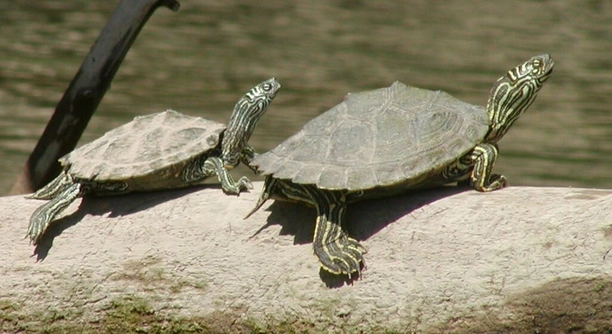
Hatching map turtle eggs can be a rewarding experience. These turtles require careful attention to their environment for a successful hatch. Whether you’re new to the process or seeking tips, knowing the essentials can make all the difference.
Successfully hatching map turtle eggs requires maintaining proper temperature, humidity, and substrate. Ensuring the eggs are in a secure, stable environment is key to the development of healthy hatchlings. Regular monitoring of conditions is crucial for success.
These tips will guide you through the necessary steps to give your map turtles the best chance at thriving. Understanding these key factors ensures a successful hatch and healthy young turtles.
Temperature Control for Successful Hatching
Maintaining the right temperature is one of the most important factors in hatching map turtle eggs. Ideally, the incubation temperature should range between 80°F and 85°F (27°C to 29°C). Temperatures that are too high or too low can cause the eggs to fail or lead to deformities in the hatchlings. For consistent warmth, use an incubator or heat source that provides stable conditions throughout the incubation period. A thermometer placed inside the incubator is essential for monitoring fluctuations and ensuring accuracy. If possible, place the eggs in a container with a lid to help retain heat.
Ensuring the right temperature is key for map turtle eggs. Both high and low temperatures can harm the hatchlings.
Stability is critical when controlling temperature. Even slight fluctuations can have significant consequences. A steady heat source will give your map turtle eggs the best chance of success. Consistently maintaining the proper temperature range ensures that the embryos develop properly. Without proper temperature control, the eggs may not hatch or the hatchlings might not survive after emerging.
Humidity Levels and Egg Development
Humidity plays a significant role in the development of map turtle eggs. Too much moisture can lead to fungal growth, while too little can cause dehydration, both of which can harm the eggs. To keep humidity at optimal levels, place the eggs in a container with slightly moist substrate like vermiculite or perlite. The moisture should be enough to keep the eggs moist but not soaking. Check the humidity regularly and adjust as needed by adding a bit of water to the substrate. Too much water can cause the eggs to drown or become deformed, so balance is key.
Monitoring humidity and adjusting when necessary is essential for the development of healthy hatchlings.
Substrate for Incubation
Choosing the right substrate is essential for successful incubation. Vermiculite and perlite are both commonly used because they retain moisture well and allow for proper airflow. These substrates provide a stable environment for the eggs and help prevent mold growth.
The eggs should be buried halfway in the substrate. Make sure to lightly press the substrate around the eggs to avoid crushing them but ensure they stay in place. Regularly check for any signs of mold or excessive moisture. The substrate should remain moist but not wet. Too much moisture can cause the eggs to suffocate, while too little can dry them out.
A well-chosen substrate ensures proper humidity levels, reducing the risks of mold and dehydration. It helps create the ideal environment for your map turtle eggs to develop without interruption. Keep the substrate in the right condition for the entire incubation period, and avoid frequent handling of the eggs to minimize stress.
Handling the Eggs
Handling the eggs with care is crucial for their survival. Excessive movement or disturbance can harm the embryos inside. It’s important to handle the eggs gently and avoid turning or rotating them unless necessary. Always mark the top of each egg so you can maintain their original orientation during the incubation process.
When transferring the eggs to the incubator, do so carefully. Ensure that the eggs are placed exactly as they were found, preserving their positioning. This helps prevent injury to the embryos and ensures proper development. Minimal handling is essential for reducing the risk of damage and improving the chances of successful hatching.
Handling eggs too much can cause them to become stressed or damaged. Careful, minimal interaction will provide the best outcome, ensuring the map turtles develop healthily. Keep disturbances to a minimum during the incubation period.
Location for Incubation
The location of the incubation setup is crucial for success. Choose a quiet, stable environment away from direct sunlight or temperature fluctuations. The area should be dark, as too much light can affect the eggs’ development. A consistent temperature will also help the eggs hatch properly.
It’s important to avoid areas with frequent disturbances or exposure to extreme conditions. Find a place that remains steady in temperature and humidity, ensuring the eggs stay in the optimal conditions for the entire incubation period. Make sure there’s good ventilation, but not direct airflow, to maintain balance.
Timing and Patience
Map turtle eggs typically take anywhere from 60 to 120 days to hatch, depending on the temperature and humidity levels. Be patient, as hatching can take a while. It’s essential to stay consistent with the environment throughout this time. Regularly check on the eggs, but avoid frequent disturbances.
Hatching may not happen immediately, but with careful monitoring and patience, the eggs should eventually hatch. The key to success lies in maintaining steady conditions without rushing the process. Proper timing, attention to detail, and patience ensure the best outcome for your map turtle eggs.
Potential Challenges
While most eggs will hatch successfully, there are potential challenges to be aware of. Eggs may fail due to improper temperature, humidity, or substrate conditions. Additionally, mold or fungal growth can be a problem if the environment is too moist. It’s important to regularly monitor and adjust conditions.
FAQ
What is the ideal temperature for map turtle egg incubation?
The ideal temperature for incubating map turtle eggs ranges between 80°F and 85°F (27°C to 29°C). Maintaining this temperature ensures that the eggs develop properly. Temperatures outside this range can lead to the eggs failing to hatch or result in deformities in the hatchlings. A stable heat source, such as an incubator or heat mat, helps maintain this consistent temperature throughout the incubation period.
How do I know if my map turtle eggs are fertile?
Determining whether map turtle eggs are fertile can be tricky. Typically, fertile eggs are slightly translucent or opaque, while infertile eggs appear cloudy or discolored. If you can, gently candle the eggs using a bright flashlight to inspect for signs of development. Fertile eggs will show a visible embryo, while infertile eggs will not. However, not all eggs may be easily observable, so it’s important to keep them all in a suitable incubation environment until they hatch.
How often should I check on the eggs?
While it’s tempting to check on your map turtle eggs frequently, it’s best to disturb them as little as possible. Checking on them every few weeks should suffice. Frequent handling can disturb the eggs and affect the conditions inside the incubation chamber. Monitoring the humidity and temperature regularly, without disturbing the eggs, will ensure they stay in the proper environment.
Can I move the eggs during incubation?
It’s best not to move the eggs unless absolutely necessary. Moving the eggs can cause the embryos to shift and damage them. However, if you must transfer the eggs to a new incubator or substrate, handle them gently and maintain their original orientation. Mark the tops of the eggs to ensure they stay in the same position as when first laid.
What should the humidity level be for map turtle eggs?
The humidity level for map turtle egg incubation should be maintained at around 70-80%. Too much moisture can lead to mold growth, while too little can cause the eggs to dry out. Using a slightly moist substrate, like vermiculite or perlite, helps maintain the right humidity level without causing the eggs to drown or become dehydrated. Keep the humidity stable and monitor it regularly to ensure the eggs remain in the best conditions.
How do I keep the eggs from molding?
To prevent mold growth, it’s important to maintain the correct moisture level in the substrate. Too much water can cause the eggs to become too wet, leading to mold or bacterial growth. Ensure the substrate is moist but not soaking. A well-ventilated incubator can also help maintain proper airflow and prevent excess moisture buildup.
How long does it take for map turtle eggs to hatch?
Map turtle eggs typically take anywhere from 60 to 120 days to hatch, depending on temperature and humidity conditions. Warmer temperatures can shorten the incubation period, while cooler temperatures can extend it. Be patient and resist the urge to disturb the eggs frequently during this time. The hatching process is gradual, and each egg may hatch at different times.
What should I do once the eggs hatch?
Once the eggs hatch, carefully remove the hatchlings from the incubation container and place them in a suitable habitat. Ensure the environment is warm, humid, and safe for the young turtles. It’s essential to provide appropriate food and a secure space for them to grow. Keep an eye on the hatchlings during their early stages, as they are vulnerable and need proper care.
Can I incubate map turtle eggs in a homemade incubator?
Yes, it is possible to create a homemade incubator, but it requires careful attention to temperature and humidity control. You can use a plastic container with a lid and place it in a stable location with a heat source. A thermometer and hygrometer will help monitor the conditions inside the incubator. Make sure to adjust the environment as needed to keep the temperature and humidity levels stable.
How do I know if the eggs are developing properly?
One of the best ways to monitor egg development is by candling the eggs. Use a flashlight or small light to gently shine through the egg. Fertile eggs will show a visible embryo, while infertile eggs will appear clear. If you notice any discoloration, cracking, or a foul smell, it may indicate that the eggs have gone bad. However, avoid excessive handling to minimize any disturbance to the developing embryos.
What causes map turtle eggs to fail?
Map turtle eggs can fail due to a variety of factors, including improper temperature, humidity, or substrate conditions. Eggs can also fail if they are disturbed too much during the incubation process or if they are exposed to mold or bacteria. Keeping the environment stable and avoiding frequent disturbances can significantly improve the chances of successful hatching.
Is it normal for some eggs to hatch later than others?
Yes, it’s normal for map turtle eggs to hatch at different times. The incubation period can vary slightly for each egg, depending on its position, temperature, and other conditions. Some eggs may take longer to hatch, while others may emerge sooner. Be patient, and do not disturb the eggs too much during the process.
Can map turtle eggs be stored before incubation?
If you need to store map turtle eggs before incubation, it’s essential to keep them in a cool, stable environment. Do not store them for too long, as the embryos may start to develop prematurely. It’s best to start the incubation process as soon as possible after the eggs are laid. Storing eggs for extended periods can reduce the chances of successful hatching.
What should I do if I accidentally break an egg?
If you accidentally break a map turtle egg, act quickly. If the egg is still in the early stages of development, you may be able to gently repair the crack by using medical-grade tape or another adhesive. However, if the egg is fully developed or the embryo is exposed, it’s best to discard the egg. In most cases, handling the eggs carefully can prevent accidental breakage.
Final Thoughts
Successfully hatching map turtle eggs requires careful attention and patience. While it may seem challenging, following the right steps can help ensure a successful outcome. Start by creating the right environment for the eggs, ensuring the temperature, humidity, and ventilation are all within the optimal range. A stable incubator with proper monitoring is key to providing the eggs with the best conditions for development. Remember, a consistent setup and minimal disturbance will yield the best results for your hatchlings.
One of the most important aspects of hatching map turtle eggs is patience. The incubation period can vary, with eggs taking anywhere from 60 to 120 days to hatch, depending on environmental factors. During this time, it’s crucial to avoid constant checking or moving of the eggs, as this can disrupt the conditions. Instead, focus on maintaining a stable environment and allow nature to take its course. It’s important to be prepared for both successes and challenges, as not all eggs may hatch.
Lastly, keep in mind that hatching map turtle eggs is not just about providing the right conditions but also about offering proper care after they hatch. Once the hatchlings emerge, they will need a suitable habitat, food, and monitoring to ensure they grow into healthy turtles. The process doesn’t end once the eggs hatch, but with proper care, your map turtles will thrive. While the task of hatching and raising map turtles requires time and effort, the reward of seeing your hatchlings grow is well worth it.

Hello,
If you enjoy the content that we create, please consider saying a "Thank You!" by leaving a tip.
Every little bit helps us continue crafting quality advice that supports the health, happiness, and well-being of pets around the world, for pets of all shapes, sizes, and species.
We really appreciate the kindness and support that you show us!