
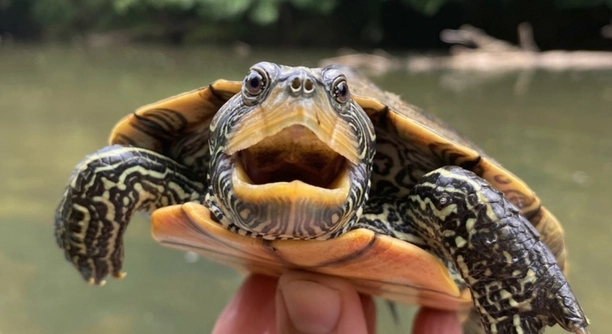
Map turtles are popular pets, known for their calm demeanor and unique appearance. However, they can sometimes face health issues, especially with their respiratory system. It’s important to spot the signs early to ensure their well-being.
Respiratory issues in map turtles are often caused by poor water quality, temperature fluctuations, or stress. Symptoms include wheezing, mucus around the nose, and lethargy. Treatment typically involves improving their environment and seeking veterinary care for proper medication.
Taking the right steps early can help your map turtle recover quickly and prevent future issues. Understanding these health concerns is key to providing the best care.
Common Causes of Respiratory Issues in Map Turtles
Respiratory issues in map turtles are often linked to environmental factors. Poor water quality, low temperatures, and improper humidity levels can weaken their immune systems, making them more susceptible to infections. Additionally, a stressed turtle is more prone to respiratory problems, especially if they are housed in crowded conditions or exposed to sudden changes in their environment. Without addressing these factors, the issue can worsen, leading to more severe health concerns.
Temperature fluctuations are particularly problematic for map turtles, as they thrive in a stable environment. The water should be kept between 72°F and 78°F, while the basking area needs to be around 85°F to 90°F. If the water temperature drops too low, it can stress the turtle, leaving it more vulnerable to respiratory infections. You should also monitor humidity levels to avoid respiratory discomfort.
Ensuring proper tank maintenance is key to preventing respiratory issues. Regular water changes, proper filtration, and temperature checks are essential. If your turtle shows signs of illness, address the environmental factors first before seeking veterinary treatment. In some cases, inadequate living conditions can lead to frequent illnesses, making it important to create a stable and clean environment for your pet.
Recognizing Symptoms of Respiratory Problems
If your map turtle is suffering from a respiratory infection, recognizing the symptoms early is crucial. The most common signs are wheezing, mucus around the nose, and labored breathing. These symptoms can often be mistaken for other health problems, but if they persist, it’s important to act quickly.
Symptoms like lethargy, loss of appetite, and excessive basking can indicate that your turtle is not feeling well. While these signs are not exclusive to respiratory problems, they can be indicative of an infection. A turtle with a respiratory issue may also float strangely, as it might have difficulty maintaining buoyancy due to fluid buildup in the lungs.
If you notice these symptoms, it’s essential to improve their living conditions. Ensure the water temperature and cleanliness are optimal. You can also provide your turtle with a quiet, low-stress environment to reduce further complications. Keep a close eye on them, and if symptoms worsen, a vet visit is necessary.
Treating Respiratory Issues in Map Turtles
When treating respiratory issues in map turtles, the first step is improving their living conditions. Ensure that the water is clean and the temperature is within the proper range. Adding a water heater and filter can help maintain both water quality and the right temperature. Next, consider using a basking light to ensure the turtle can warm up properly.
For immediate treatment, some map turtles may benefit from antibiotics prescribed by a veterinarian. However, home remedies should only be used if directed by a professional. You should never attempt to treat your turtle with over-the-counter medications meant for other pets or humans, as this can lead to more harm than good.
It’s also important to remove any sources of stress that may be affecting your turtle. A quiet environment, proper hiding spots, and a balanced diet can go a long way in helping your turtle recover. If symptoms persist after making these changes, don’t hesitate to take your turtle to a vet for further care.
Preventing Respiratory Issues in the Future
To prevent future respiratory issues, it’s essential to maintain a stable environment for your turtle. Regular tank cleaning and water changes are crucial to keeping the water free from harmful bacteria and toxins. Additionally, avoid overcrowding the tank, as this can lead to stress and poor water quality.
Offering your turtle a variety of healthy foods can also boost its immune system, helping it resist infections. A balanced diet with high-quality turtle pellets, leafy greens, and occasional treats can keep your turtle healthy. Proper UVB lighting is also essential for metabolic health and immune system support.
By staying proactive and ensuring your turtle’s environment remains stable, you can significantly reduce the risk of respiratory infections. Keeping a consistent routine and monitoring their health regularly will help ensure that your map turtle stays happy and healthy.
Importance of Regular Vet Checkups
Regular vet checkups are vital for the health of your map turtle, especially if respiratory issues have occurred before. A vet can detect early signs of illness and provide proper treatment. Routine visits ensure your turtle’s respiratory health is closely monitored and maintained.
Turtles may hide symptoms of illness, so a vet checkup can help identify problems before they become serious. It’s also important to follow your vet’s advice on diet and habitat setup. Map turtles need specific conditions to thrive, and your vet can guide you on maintaining those requirements.
Taking your turtle to the vet regularly can prevent issues from escalating. Early detection allows for effective treatment, minimizing the risk of long-term damage. If respiratory symptoms arise, getting prompt veterinary care will speed up the recovery process. It’s always better to be proactive when it comes to your turtle’s health.
Creating the Ideal Habitat
Creating the ideal habitat is essential for preventing respiratory issues. This includes maintaining the right water temperature, keeping the tank clean, and providing adequate filtration. Map turtles require both a water section and a basking area, and both must be kept at proper temperatures.
Your turtle’s environment should replicate its natural habitat, with clean water, a UVB light source, and a heating system. The water temperature should be kept between 72°F and 78°F, while the basking area should be around 85°F to 90°F. Providing a basking spot allows your turtle to dry off and regulate its body temperature, which can help prevent respiratory problems.
In addition to temperature and water quality, make sure your turtle has enough space to move around. A cramped tank can cause stress, which weakens the immune system and makes your turtle more vulnerable to infections. Proper lighting and temperature management are key to a healthy habitat and respiratory system.
The Role of Diet in Respiratory Health
A healthy diet plays a key role in keeping your map turtle’s immune system strong. Provide a balanced diet with high-quality pellets, leafy greens, and occasional protein sources. This helps prevent illnesses, including respiratory infections.
Avoid feeding your turtle excessive amounts of processed foods or items that are high in fat. These can cause health issues that weaken the immune system, making it more susceptible to infections. Focus on a variety of foods to ensure your turtle gets all the essential nutrients it needs for overall health, including respiratory health.
The Impact of Stress on Respiratory Health
Stress can significantly affect your turtle’s respiratory system. Stress weakens the immune system, making it easier for respiratory issues to develop. Map turtles can become stressed due to overcrowding, poor tank conditions, or sudden environmental changes. A stressed turtle may show signs like lethargy and reduced appetite.
Ensure your turtle has a proper environment with enough space, clean water, and stable temperatures. Providing hiding spots and a quiet area to bask can reduce stress. Regularly check that the tank conditions are optimal to prevent unnecessary stress that could affect your turtle’s health.
Water Quality and Respiratory Health
Water quality is crucial for preventing respiratory issues. Poor water quality can introduce bacteria and harmful chemicals, which can lead to infections. Regularly change the water and ensure your filtration system is working properly.
Test the water regularly for pH levels, ammonia, and nitrate content to keep it clean and safe. Proper filtration will help remove toxins and debris that could affect your turtle’s health. Clean water encourages a healthy immune system, which is essential for preventing respiratory infections.
FAQ
What are the most common signs of respiratory issues in map turtles?
The common signs of respiratory problems include wheezing, labored breathing, nasal discharge, and excessive basking. If you notice your turtle floating abnormally or showing signs of lethargy, it could also indicate a respiratory issue. Often, the turtle will become less active and might stop eating as well.
How can I prevent respiratory issues in my map turtle?
Preventing respiratory issues starts with providing the right environment. Keep the water temperature between 72°F and 78°F and the basking area at 85°F to 90°F. Clean the tank regularly and ensure proper filtration. Avoid overcrowding, and keep stress levels low by providing hiding spots and a quiet environment.
Can I treat my turtle’s respiratory infection at home?
While improving tank conditions is the first step, you should never attempt to treat your turtle with home remedies or over-the-counter medications without consulting a vet. Respiratory infections in turtles can worsen quickly, so if symptoms persist, take your turtle to a veterinarian for proper care.
Is there a specific diet to help prevent respiratory problems in turtles?
A healthy diet boosts the immune system and helps your turtle fight off infections. Offer a variety of leafy greens, high-quality pellets, and occasional protein sources. Avoid feeding too many processed or fatty foods, as these can weaken your turtle’s immune system, making it more susceptible to respiratory infections.
How often should I clean my turtle’s tank to avoid respiratory infections?
Tank cleaning should be done regularly. Perform partial water changes weekly and clean the tank thoroughly at least once a month. Check the water quality often to ensure the pH, ammonia, and nitrate levels are within a safe range. This helps maintain a healthy environment and prevents respiratory problems caused by poor water quality.
Can low temperatures cause respiratory issues in map turtles?
Yes, low temperatures can stress map turtles and make them more susceptible to respiratory infections. The water temperature should remain between 72°F and 78°F. If the temperature drops too low, it weakens their immune system and increases the risk of infections, including respiratory problems.
How can I tell if my turtle is stressed?
Stress in map turtles can manifest as reduced activity, loss of appetite, excessive basking, or hiding. They may also exhibit abnormal swimming or floating behaviors. Stress can be caused by poor tank conditions, overcrowding, or sudden environmental changes. If you notice these signs, it’s crucial to address the underlying cause promptly.
What should I do if my turtle is showing signs of a respiratory infection?
If your turtle shows signs of a respiratory infection, such as wheezing or nasal discharge, improve its tank conditions immediately by adjusting the temperature, cleaning the water, and reducing stress. If symptoms persist for more than 48 hours, seek veterinary care for a proper diagnosis and treatment plan.
Can respiratory issues in map turtles be fatal?
If left untreated, respiratory infections can become severe and potentially fatal. Turtles can develop pneumonia or other complications that can affect their overall health. Early detection and treatment are essential to prevent the infection from worsening and causing long-term damage to your turtle’s respiratory system.
What is the role of UVB lighting in respiratory health?
UVB lighting plays a crucial role in a turtle’s overall health, including its respiratory system. UVB light helps with calcium absorption, which is essential for maintaining a healthy immune system. A strong immune system can better fight off infections, including respiratory issues. Make sure your turtle has access to proper UVB lighting for 10-12 hours a day.
How often should I take my map turtle to the vet?
You should schedule a routine checkup with your vet at least once a year. However, if your turtle shows signs of illness, such as wheezing or nasal discharge, you should take it to the vet immediately. Regular checkups can help catch any early signs of respiratory issues or other health problems before they become more serious.
Can map turtles recover from respiratory infections?
Yes, map turtles can recover from respiratory infections if treated properly. With appropriate medical care, such as antibiotics prescribed by a vet, and by improving their living conditions, turtles can recover fully. However, if left untreated or diagnosed too late, respiratory infections can lead to serious complications.
Is overcrowding harmful to my turtle’s respiratory health?
Yes, overcrowding can lead to stress, which weakens your turtle’s immune system and makes it more susceptible to respiratory infections. When turtles are kept in crowded conditions, the water quality deteriorates faster, and they may not have enough space to bask properly. Always provide enough space in the tank to reduce stress and maintain good health.
What should I do if my turtle refuses to eat?
Loss of appetite is often a sign that something is wrong, possibly related to respiratory issues or other health problems. If your turtle refuses to eat, first check its tank conditions to ensure the temperature and water quality are appropriate. If the issue persists, consult a vet for further evaluation and treatment.
Can I use a humidifier for my turtle’s tank to help with respiratory health?
A humidifier can help maintain the proper humidity level in the tank, which is essential for a turtle’s respiratory health. However, make sure the humidity levels do not get too high, as this can cause other issues. Aim for a humidity level between 50-70% to create a comfortable and healthy environment for your map turtle.
Are there any medications I can use for respiratory infections?
Only use medications prescribed by a vet. Respiratory infections in turtles require specific treatment, such as antibiotics, which should be tailored to the specific bacteria causing the infection. Never administer human or over-the-counter medications without professional advice, as they can harm your turtle.
Final Thoughts
Caring for map turtles involves paying close attention to their overall health, especially their respiratory system. By maintaining a clean environment, proper temperature, and a healthy diet, you can help prevent many common health issues. Respiratory infections are one of the most concerning problems that can affect map turtles, and they can be serious if not addressed quickly. Keeping an eye out for symptoms like wheezing, nasal discharge, or changes in behavior is key to early detection. Early intervention can make a significant difference in your turtle’s recovery.
Regular tank maintenance, proper humidity levels, and ensuring your turtle isn’t exposed to stressful conditions are all essential parts of preventative care. A well-balanced diet, including a variety of greens and occasional protein, supports the immune system, helping your turtle fend off infections. Monitoring water quality and keeping the tank free from harmful chemicals will also reduce the chances of respiratory problems. If your turtle shows signs of illness, don’t hesitate to consult a vet for a professional diagnosis and treatment.
Respiratory issues can be dangerous if left untreated, but with prompt action, most map turtles can recover and return to their healthy selves. By staying proactive in tank care and diet, you can greatly reduce the risk of respiratory infections and other common health problems. Regular veterinary checkups will help catch any early signs of illness, ensuring that your turtle stays as healthy and happy as possible.

Hello,
If you enjoy the content that we create, please consider saying a "Thank You!" by leaving a tip.
Every little bit helps us continue crafting quality advice that supports the health, happiness, and well-being of pets around the world, for pets of all shapes, sizes, and species.
We really appreciate the kindness and support that you show us!