
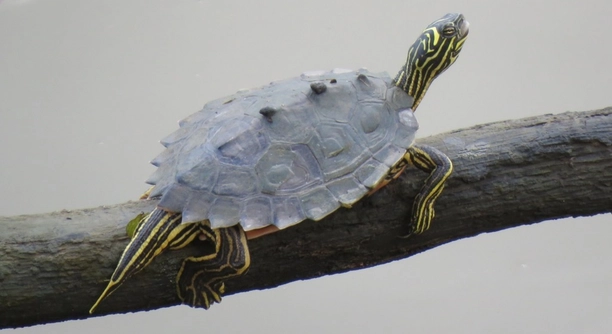
Measuring a map turtle’s growth can be tricky but essential for monitoring its health. Understanding how to track this progress helps ensure your turtle is developing properly and thriving in its environment.
To accurately measure a map turtle’s growth, monitor its carapace length and weight over time. Use a caliper or ruler for precise measurements, ensuring consistency in how often you measure. Regular tracking provides valuable insights into its health and well-being.
Proper growth measurement is crucial for understanding your map turtle’s development.
Tools You Need to Measure a Map Turtle’s Growth
To measure a map turtle’s growth effectively, you’ll need a few tools. A caliper or a ruler is the most reliable way to measure the carapace, which is the hard upper shell. For weight, a small, accurate scale works best. Ensure that the equipment you use is precise and easy to read. Having the right tools makes tracking growth much easier and more accurate, which helps avoid miscalculations.
A digital scale is the best option for measuring weight, as it provides more precise readings than analog scales. It’s essential to record the measurements consistently to ensure you can monitor any changes over time.
Tracking both the weight and length of your turtle over time is crucial to ensure it’s growing at a healthy rate. These measurements can also provide insight into potential issues, like underfeeding or improper environmental conditions. Regular checkups help you stay on top of your turtle’s health, and consistency is key.
Growth Patterns to Watch For
Measuring growth is important, but understanding what’s normal for a map turtle is equally important. Growth rates can vary depending on factors like age, diet, and environment.
Map turtles typically grow faster in their first few years, and then the rate slows as they mature. Understanding how your turtle’s growth compares to expected patterns can help you spot any concerns early. Healthy map turtles usually grow steadily in both length and weight.
It’s also essential to remember that a map turtle’s growth isn’t just about size. Shell shape and overall health are just as important. Consistently monitoring these factors can help you spot any potential health problems. The growth of your map turtle should be balanced and steady to ensure its well-being.
Measuring Carapace Length
The carapace length is the key measurement when tracking your map turtle’s growth. Use a caliper or ruler to measure from the front of the shell to the back. This is usually done along the middle of the shell to ensure accuracy.
Measure the length regularly to track growth patterns. It’s important to take the same measurement in the same way every time. Consistency helps avoid errors and ensures that you’re monitoring the turtle’s growth accurately. Keep in mind that fluctuations in carapace length may occur, especially during growth spurts.
If you notice that your turtle’s carapace length isn’t increasing as expected, there may be an issue with its diet or environment. Slow growth could indicate a lack of proper nutrition or insufficient space. Regular carapace measurements are vital to catching these issues early, so you can adjust accordingly.
Monitoring Weight
Weighing your map turtle regularly is another important aspect of growth measurement. A digital scale that can handle small weights will provide the best accuracy.
Keep in mind that weight changes should be gradual and steady. A sudden increase or decrease could indicate an imbalance in diet or environmental conditions. For example, if your turtle is too light, it may not be eating enough or could be stressed. On the other hand, excessive weight gain could point to overfeeding or a lack of exercise.
By tracking weight alongside carapace length, you can gain a clearer picture of your turtle’s overall growth. These two measurements together help confirm whether your map turtle is developing properly and remaining healthy.
Frequency of Measurements
You should measure your map turtle regularly to monitor its growth accurately. A good rule of thumb is to take measurements every two to four weeks, depending on the age and size of the turtle.
Frequent measurements help you track small changes that could indicate growth or health issues. Young turtles grow faster, so more frequent checkups may be necessary. As your turtle matures, the measurements can become less frequent.
Health Indicators from Growth
Changes in your map turtle’s growth can often reflect its health. If your turtle’s growth rate slows down unexpectedly, it might signal problems like inadequate nutrition, stress, or poor environmental conditions.
Other signs to watch for include uneven growth in the shell or a disproportionate increase in weight compared to length. These can indicate imbalanced nutrition or improper care. A sudden drop in size or weight could suggest illness or lack of proper care, needing immediate attention.
Growth and Environmental Conditions
The environment plays a huge role in your turtle’s growth. Proper basking areas, water temperature, and diet all impact how well your map turtle grows. Without these optimal conditions, growth may be stunted or inconsistent.
Map turtles need access to clean water, a basking spot with UVB lighting, and a balanced diet to thrive. Be sure to monitor the habitat regularly, ensuring temperatures and lighting stay within the right range.
FAQ
How often should I measure my map turtle’s growth?
You should measure your map turtle’s growth every two to four weeks, especially when it’s young and growing rapidly. For adult turtles, monthly measurements are usually enough. Consistent measurements help track any irregularities in growth.
What is the most accurate way to measure my map turtle?
The most accurate way to measure your map turtle is by using a caliper or a ruler for carapace length. For weight, a small digital scale is best. Make sure to measure the turtle in the same way every time for consistency.
What should I do if my map turtle isn’t growing as expected?
If your map turtle isn’t growing as expected, check its diet and environment. Make sure it’s getting the right amount of food, clean water, and proper UVB lighting. If the problem persists, consult a vet for advice.
Can slow growth be a sign of a health problem?
Yes, slow growth can be a sign of health issues. It may indicate problems such as poor diet, stress, or improper habitat conditions. Make sure your turtle’s environment is optimal, and it’s eating a balanced diet. If growth continues to be slow, consider a vet visit.
How can I tell if my map turtle is underweight?
You can tell if your map turtle is underweight by observing its overall size and checking its weight. If the turtle seems smaller than expected for its age or its bones appear more prominent, it might be underweight. A scale is useful for monitoring its weight regularly.
How fast do map turtles grow?
Map turtles grow quickly in the first few years, especially if they have the right diet and environment. They can grow around 1 to 2 inches per year during this time. Growth slows down as they get older, and their size becomes more stable.
Is it normal for my map turtle’s shell to have bumps or indentations?
Minor bumps or indentations can sometimes occur as part of natural growth, but significant changes or irregularities in shell shape can indicate problems. Improper diet, inadequate lighting, or a health condition can lead to deformities in the shell.
Should I be concerned if my turtle’s carapace doesn’t grow evenly?
Uneven growth in the carapace can sometimes indicate an issue, such as poor diet or lack of proper basking conditions. If the shell’s growth is visibly uneven or lopsided, it’s important to evaluate your turtle’s habitat and nutrition to fix any underlying problems.
Can I speed up my map turtle’s growth?
You can’t directly speed up your map turtle’s growth, but providing optimal care can help ensure it grows at a healthy rate. This includes giving it a balanced diet, maintaining the right temperature and lighting, and ensuring it has enough space.
What can I do if my turtle seems overweight?
If your map turtle is overweight, reduce the amount of food you’re giving it, particularly high-fat foods. You can also try increasing its exercise by providing more space to move around. Ensure that its diet is balanced with the right mix of protein, vegetables, and aquatic plants.
How can I help my map turtle grow strong and healthy?
To support strong and healthy growth, provide your map turtle with a proper diet, clean water, and an environment that meets its needs. Regular UVB exposure is essential for shell development, and a high-quality diet will ensure it’s getting the nutrients it needs.
What should I do if my map turtle stops growing completely?
If your map turtle stops growing entirely, it could be a sign of a more serious issue, like poor health or inadequate living conditions. Check its habitat, water quality, and diet. If there’s no improvement, seek advice from a veterinarian.
How does temperature affect a map turtle’s growth?
Temperature plays a vital role in your map turtle’s growth. If the water is too cold, it can slow down metabolism and stunt growth. Make sure the water temperature is kept within the ideal range, which is typically between 75°F and 85°F for map turtles.
Does my map turtle need specific vitamins or supplements for growth?
Map turtles generally get their necessary vitamins from a balanced diet that includes leafy greens, aquatic plants, and some protein. If your turtle’s diet lacks variety or you suspect nutritional deficiencies, consult a vet for recommendations on supplements.
What is the best diet for a growing map turtle?
The best diet for a growing map turtle includes a mix of leafy greens, aquatic plants, and occasional protein like insects, worms, or fish. A varied diet ensures your turtle gets all the nutrients it needs for healthy growth and development.
Can stress affect my map turtle’s growth?
Yes, stress can significantly affect a map turtle’s growth. Stress can be caused by poor habitat conditions, overcrowding, or handling. To reduce stress, ensure your turtle has a peaceful, clean environment with proper lighting and temperature.
What should I do if my map turtle seems to be growing too quickly?
If your map turtle is growing too quickly, it could indicate overfeeding or an imbalance in its diet. Adjust its food intake and check the overall care routine to ensure its growth is balanced and healthy. Too rapid growth can lead to shell problems.
Final Thoughts
Measuring your map turtle’s growth regularly is essential for monitoring its health and ensuring it thrives in its environment. Keeping track of your turtle’s size helps you spot any issues early, such as slow or uneven growth, which could indicate problems with diet, lighting, or water conditions. Regular measurements also give you a clearer understanding of whether your turtle is on track for healthy growth or if adjustments are needed in its care. By observing the changes in its size over time, you can make informed decisions that support its long-term well-being.
It’s important to remember that growth rates can vary depending on the turtle’s age, health, and environmental factors. While young map turtles grow faster, their growth rate slows as they age. Offering a balanced diet, maintaining appropriate water temperatures, and ensuring access to UVB lighting are all vital components of promoting steady and healthy growth. If you notice any signs of stunted growth, slow weight gain, or uneven shell development, it may be time to reassess your turtle’s habitat or diet. Paying attention to these factors will help you create the best conditions for your turtle’s growth.
In conclusion, monitoring your map turtle’s growth is a crucial aspect of pet care. Keeping up with its size and health allows you to catch potential issues early and make adjustments as needed. As long as you provide a proper environment, nutrition, and regular checkups, your turtle should continue to grow at a healthy pace. By taking these simple steps, you can ensure that your map turtle lives a long, happy, and healthy life.

Hello,
If you enjoy the content that we create, please consider saying a "Thank You!" by leaving a tip.
Every little bit helps us continue crafting quality advice that supports the health, happiness, and well-being of pets around the world, for pets of all shapes, sizes, and species.
We really appreciate the kindness and support that you show us!