
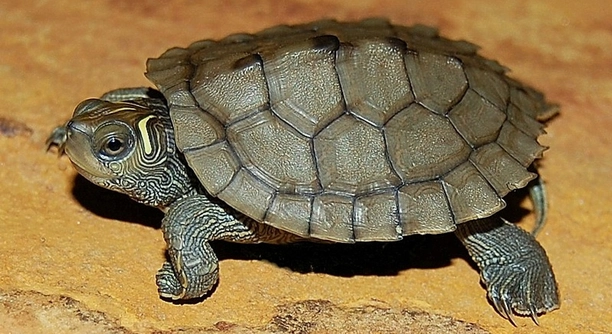
Map turtles are fascinating creatures that thrive in specific environments. They are often found in slow-moving rivers and ponds where their needs are met. Understanding what they love about their environment can help you care for them better.
Map turtles love environments that offer clean water, basking spots, ample vegetation, and safe places to hide. They thrive in shallow waters with soft substrates, where they can forage and relax, staying protected from predators.
Understanding what makes map turtles happiest is essential to creating a suitable habitat for them. From the best spots to bask to the right water quality, there are key factors that support their well-being.
Clean, Shallow Water is Key
Map turtles need clean water to stay healthy. They enjoy shallow waters, as it allows them to easily move around, forage, and bask. Water should be free from pollution, chemicals, or strong currents, as these can stress them out. The temperature of the water is also important. Too hot or too cold can harm their health.
Maintaining clean water with regular changes helps to ensure they stay happy. You should also ensure that the water is well-filtered, so the turtles have the clearest environment possible.
When you create a clean, shallow habitat, map turtles will feel more comfortable. Their skin and shell remain healthier, and they are able to feed and bask without worry. Clean water is one of the most important factors to keep them thriving.
Safe Basking Spots
Map turtles need safe places to bask in the sun. Basking allows them to regulate their body temperature and absorb UV rays. It’s essential for their well-being.
Basking spots should be dry and located in areas where the turtles can rest without fear of predators. A floating platform or a natural rock in the water can work well. Ensure there is enough space for them to climb up and dry off completely. Having multiple basking areas is helpful, so they can choose the best one at any time.
Vegetation for Hiding and Foraging
Map turtles love environments with plenty of vegetation. Plants help them feel secure and provide shelter from predators. They also enjoy foraging for food like small insects, worms, or algae among the plants. Dense vegetation helps them feel safe and keeps them entertained.
Incorporating plants into their habitat is essential. Use aquatic plants like water lettuce, duckweed, and hornwort. These plants provide places for the turtles to hide, rest, and search for food. Plant life also helps improve the overall water quality by absorbing excess nutrients.
Without enough plant cover, map turtles might feel exposed, stressed, or unable to hunt for food properly. If they don’t have sufficient hiding spots, they may become more vulnerable to predators. Having a balanced plant presence will make them feel more secure and content.
Soft Substrates for Comfort
Map turtles prefer soft substrates like sand or fine gravel in their environment. These soft surfaces allow them to dig, move around, and rest comfortably. It’s important that the substrate is not too coarse, as this could harm their skin or shell.
A soft substrate mimics the natural environment of the map turtle, helping them feel more at ease. It provides a comfortable place for them to rest and keeps their claws healthy as they dig or move around. The substrate should be deep enough for the turtles to burrow if they feel the need.
Choosing the right substrate can also impact water quality. Sand and gravel are easy to clean, but too much buildup can lead to dirty water. Regular cleaning of the substrate is necessary to maintain a healthy habitat.
A Safe, Quiet Environment
Map turtles appreciate quiet, peaceful environments. Loud noises and constant movement can stress them out. Keeping their habitat calm allows them to thrive and engage in natural behaviors like basking and foraging.
Avoid placing their habitat in high-traffic areas or near loud noises. A quiet, peaceful space ensures they feel secure.
When placed in a calm environment, map turtles are more active, healthier, and less likely to exhibit signs of stress. A safe, quiet space allows them to eat, sleep, and interact with their surroundings comfortably.
Proper UVB Lighting
Map turtles need access to UVB light for proper shell and bone development. UVB rays help them produce vitamin D3, which is crucial for calcium absorption. Without proper UVB lighting, they can suffer from health issues.
Artificial UVB lamps should be placed above their basking spots. These should be replaced every 6-12 months, as their effectiveness decreases over time. Map turtles rely on UVB to stay healthy, especially if they live indoors.
Choosing the right UVB lamp for your turtle’s setup is essential for maintaining their overall well-being. Proper UVB lighting ensures your turtle gets the necessary vitamins and minerals for a strong shell and healthy body.
Proper Temperature Regulation
Map turtles require a specific temperature range to stay healthy. Their water temperature should be between 70°F to 80°F, and the basking area should be around 90°F. This helps regulate their body temperature and ensures their digestion is functioning properly.
Temperature fluctuations can cause stress or illness in map turtles. Maintaining a consistent, suitable range keeps them active and helps their metabolic processes. A reliable water heater and thermometer are essential for monitoring the temperature.
When the temperature is too cold, turtles become lethargic, and when it’s too hot, they may become stressed. Providing a stable environment ensures they are comfortable and healthy.
FAQ
What do map turtles eat?
Map turtles are omnivores, meaning they eat both plants and animals. They enjoy a diet consisting of aquatic plants, small fish, insects, snails, and worms. They also forage for algae and other vegetation that grows in the water. Offering a variety of foods ensures they get the nutrients they need for optimal health.
While they are capable of hunting small animals, they also consume plant matter. You can provide them with leafy greens like dandelion or water lettuce. Offering a balanced diet that includes both protein and vegetables is crucial for their long-term health.
How much water do map turtles need?
Map turtles require access to a significant amount of clean water. They should be housed in a tank that allows them to swim and submerge comfortably. The water level should be deep enough for them to swim freely, but they should also have areas where they can easily reach the surface to breathe or bask. Typically, a tank should be at least 40 gallons for one adult map turtle, with more space for additional turtles.
Map turtles prefer shallow areas for basking, but they also need deeper water for swimming and hunting. Ensuring the water is clean and well-maintained is essential, as dirty water can lead to health problems.
Do map turtles need to bask?
Yes, basking is an essential part of a map turtle’s life. It helps them regulate their body temperature and aids in the production of vitamin D3, which is crucial for absorbing calcium. Without enough UVB exposure, they can develop health issues like metabolic bone disease.
You should provide a basking spot with access to a heat lamp and UVB lighting. The temperature in the basking area should be between 85°F and 90°F, which helps the turtle warm up. If they do not have a proper place to bask, they can become stressed and less active.
How can I maintain proper water quality for my map turtle?
To maintain clean water, it’s important to regularly change the water and use a high-quality filtration system. Map turtles can be messy, and their waste can quickly build up in the tank, making water quality a top priority. A powerful filter that can handle the size of the tank is necessary to keep the water clean and clear.
Changing 25% of the water every week is a good practice. Also, keep an eye on the tank’s water parameters like pH, ammonia, and nitrate levels. You can test the water regularly to ensure it’s safe for your turtle.
How do I know if my map turtle is healthy?
A healthy map turtle will have a smooth, firm shell and clear eyes. It will actively swim, bask, and eat. Its behavior should be normal, and it should be able to move without difficulty. If your turtle appears lethargic, isn’t eating, or has unusual bumps or sores on its shell, it may be sick.
It’s also important to check the turtle’s skin and shell for signs of injury or infection. A turtle with a soft shell or swollen body might be suffering from a lack of calcium or another health issue. Regular checkups with a reptile veterinarian are recommended to ensure your turtle stays healthy.
Can map turtles live with other turtles?
Map turtles can live with other map turtles or similar species if they are housed in a large enough tank. However, it’s important to monitor their behavior, as some turtles may become territorial. Having enough basking spots and hiding places can help prevent conflict.
If you are keeping multiple turtles, ensure that each one has enough space to swim, bask, and hide. Overcrowding can lead to stress, aggression, and health problems. Introduce new turtles slowly and watch for any signs of aggression.
What should I do if my map turtle is not eating?
If your map turtle isn’t eating, it could be due to several reasons. Stress from environmental changes, improper water temperature, or a lack of basking spots can cause them to stop eating. Illness or an improper diet can also contribute to a lack of appetite.
Check the water temperature and quality, as these factors can impact their feeding behavior. If the environment seems fine, try offering different types of food to encourage eating. If your turtle still refuses food, it may be necessary to consult a vet to rule out any health issues.
How can I prevent my map turtle from getting sick?
To prevent illness, maintain a clean and well-maintained environment. Keep the water at the right temperature, use proper filtration, and ensure the turtle has access to UVB lighting. Regularly clean the tank and change the water to prevent bacteria and mold buildup.
Additionally, provide a balanced diet and monitor for any signs of illness. Stress can weaken a turtle’s immune system, so always ensure it has a peaceful, quiet space. Regular health checks and a well-rounded environment will help your map turtle stay healthy.
How long do map turtles live?
Map turtles can live for 20 to 30 years or longer if cared for properly. Providing them with the right environment, diet, and regular health checks can help them reach their full lifespan. Their life expectancy can be shorter if they are kept in poor conditions or are not given the proper care.
Map turtles are long-lived creatures, and maintaining their habitat and health is important for ensuring a long, happy life. Keeping their environment stable and stress-free contributes significantly to their overall longevity.
Final Thoughts
Map turtles are fascinating creatures that thrive in environments that closely resemble their natural habitats. They need clean water, access to basking spots, and ample vegetation to stay healthy. By offering a balance of these elements, you can create a comfortable and supportive environment for your turtle. Regular maintenance, like cleaning the water and checking temperature levels, ensures that they remain in a stable, stress-free habitat.
It’s also important to remember that map turtles are long-lived animals, so the effort you put into their care will benefit them for years. While they can adapt to various conditions, providing a safe, peaceful, and well-maintained space will help them thrive. Be mindful of their need for UVB light, clean water, and proper nutrition. Regular health checkups are essential to catch any early signs of illness and ensure your turtle is on track for a long, healthy life.
In conclusion, map turtles make wonderful pets if their environmental needs are met. With proper care, they can live a long and happy life. Understanding their requirements for water quality, basking spots, and diet will help them stay healthy and active. With attention to detail and a bit of effort, you can create an ideal environment for your map turtle to flourish.

Hello,
If you enjoy the content that we create, please consider saying a "Thank You!" by leaving a tip.
Every little bit helps us continue crafting quality advice that supports the health, happiness, and well-being of pets around the world, for pets of all shapes, sizes, and species.
We really appreciate the kindness and support that you show us!