
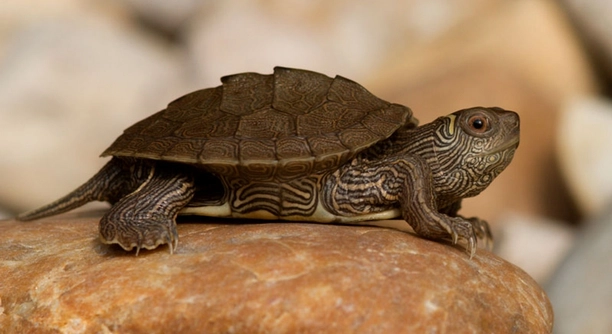
Map turtles are fascinating creatures, often found in slow-moving rivers and ponds. As a beginner, understanding their behavior can be both fun and informative, especially when it comes to their hibernation habits.
Map turtles do hibernate, typically during the colder months. This behavior helps them conserve energy when food sources are scarce and temperatures drop. They often burrow in the mud or underwater to avoid freezing temperatures.
Hibernation is a natural process that helps map turtles survive harsh winters. Understanding this aspect of their behavior can be important for their care in captivity.
How Map Turtles Prepare for Hibernation
As temperatures begin to cool, map turtles start preparing for their winter rest. Unlike some other reptiles that might migrate or remain active, map turtles instinctively slow down as the weather changes. This behavior is tied to their need to conserve energy, especially when food sources are less abundant. During this time, they focus on finding a secure place to hibernate, such as under a layer of mud or in deeper waters where the temperature remains more stable.
Preparing for hibernation isn’t just about seeking a safe spot. Map turtles also rely on instinct to stop eating and reduce their activity levels. This helps them survive until spring, when temperatures rise and food becomes more available. They use this period to rest and reset, allowing them to come back strong once the warmer months return.
While hibernating, map turtles enter a state of dormancy. They do not eat, and their bodily functions slow down significantly. This is an essential survival strategy, helping them endure winter without expending energy unnecessarily.
How Long Do Map Turtles Hibernate?
Map turtles typically hibernate for around three to five months. During this time, their metabolism decreases, and they may remain inactive for the entire winter. This duration depends on the climate of their environment and how harsh the winter is. The process may vary slightly depending on the individual turtle and its age.
Map turtles hibernate to ensure their survival in colder temperatures. While hibernating, they rely on stored energy and the minimal resources available to them. In captivity, it’s essential to replicate this natural behavior by providing a cool and secure environment, especially for turtles that have access to outdoor habitats. The hibernation period allows them to rest and rejuvenate for the upcoming months.
Signs That Map Turtles Are About to Hibernate
As the temperature begins to drop, map turtles start showing signs that hibernation is near. They become less active and spend more time resting in their hiding spots. You may notice they stop eating or become less responsive to their surroundings. These changes indicate that they are preparing for their long winter rest.
Turtles often start slowing down weeks before they actually begin hibernating. Their activity level decreases, and they may seek out a deeper, more secluded spot in their environment. If kept in captivity, you might notice them retreating to a specific area of their tank or enclosure, as they instinctively seek a colder location. They will often stop eating once their metabolism slows down.
Once map turtles start displaying these signs, it’s important to adjust their care. Keeping them in a stable, cool environment will help them ease into hibernation. It’s essential to maintain proper water quality, as hibernation often happens in a submerged location, especially in outdoor settings.
What Happens During Map Turtle Hibernation?
During hibernation, map turtles enter a state of dormancy. Their metabolism slows down significantly, allowing them to survive without eating for months. They rely on stored energy in their bodies to get through the cold season. This process is natural and essential for their survival.
While in hibernation, map turtles often burrow under mud or stay submerged in the water to protect themselves from freezing temperatures. This behavior helps maintain a stable body temperature, as the mud or water provides insulation. As their metabolic rate decreases, their bodily functions slow considerably, conserving their energy.
Though they remain inactive, map turtles are not completely dormant. They can still react to changes in their environment, though at a much slower rate. The hibernation process is an important time for their body to rest and prepare for the more active spring months ahead.
Can Map Turtles Hibernate in Captivity?
Map turtles can hibernate in captivity, but it’s important to carefully manage their environment. Providing the right conditions is key to ensuring they stay healthy during their winter rest. This means controlling the temperature, humidity, and water quality to mimic their natural hibernation conditions.
When keeping map turtles indoors during hibernation, you should lower the temperature in their enclosure gradually. This will signal to the turtles that it’s time to rest. Avoid abrupt changes in temperature, as it could stress them. The enclosure should also be kept dark to help them adjust to their natural cycles. While it’s possible for map turtles to hibernate in captivity, they require specific care to thrive during this period.
Map turtles that are kept indoors during winter should have a cooler, more insulated space to hibernate. They do not need to be fed during this time, as their metabolism will be slow. It’s important to keep an eye on them and ensure the temperature stays stable throughout the hibernation process.
How to Care for Map Turtles During Hibernation
Proper care during hibernation is essential for map turtles. The most important factor is temperature regulation, which should remain within a cool range, typically between 40°F to 50°F. A steady, cool environment is necessary for them to hibernate safely and effectively.
In addition to temperature, the water quality needs to be maintained throughout the hibernation period. Clean water will ensure that the turtles are in a healthy environment, reducing the risk of illness. You may want to periodically check their water levels and cleanliness, but avoid disturbing them too much during this time.
Map turtles kept outdoors in colder climates should have access to deep water or a place to bury themselves in the mud. If you’re keeping them in an outdoor pond, ensure the water doesn’t freeze completely. Turtles can still hibernate underwater as long as there’s enough depth to protect them from freezing temperatures.
Why Map Turtles Might Not Hibernate
Map turtles may not hibernate if the conditions are not right. If the temperature remains too warm or if their environment lacks the proper cues, they may stay active. Stress, illness, or improper care can also prevent them from entering hibernation.
If the hibernation process does not occur as expected, it’s essential to address environmental factors first. Make sure that the temperatures are dropping and that your turtle’s habitat is conducive to rest. For turtles in captivity, removing extra heat sources can help encourage the hibernation cycle.
FAQ
How do I know when my map turtle is about to hibernate?
You can tell that your map turtle is preparing for hibernation when they become less active, spending more time resting. Their appetite will decrease, and they may stop eating altogether. You may also notice them seeking out a cooler, more secluded area within their habitat. These signs are a natural part of the process as they get ready to enter a dormant state.
Can map turtles hibernate in a tank?
Yes, map turtles can hibernate in a tank as long as the right conditions are met. To simulate their natural environment, the temperature should be gradually lowered, and the water quality should be maintained. It’s important to avoid drastic temperature fluctuations, as they could cause stress. Also, ensure the tank is kept in a dark place to help your turtle align with their natural hibernation cycle.
Should I stop feeding my map turtle during hibernation?
Yes, you should stop feeding your map turtle when they begin hibernating. Their metabolism slows down, and they will not need food during this time. In fact, feeding them while they’re in hibernation can cause digestive issues. Simply ensure they have access to clean, fresh water, but avoid offering food until they begin to wake up.
How long do map turtles hibernate for?
Map turtles typically hibernate for around three to five months, depending on the environment. If they are kept indoors, the duration might be shorter or vary slightly, depending on temperature and other factors. If your turtle is kept outside in a colder climate, the hibernation period will align more closely with the natural winter months.
Can map turtles hibernate without water?
No, map turtles should not hibernate without water. They require access to water during the hibernation process, whether it’s a pond, tank, or another suitable environment. Water provides insulation and helps maintain a stable temperature for the turtle’s body. Without water, they could be exposed to temperatures that are too extreme, leading to potential health risks.
Do map turtles hibernate at different times?
Yes, the timing of hibernation can vary slightly depending on environmental conditions and the individual turtle. Map turtles in the wild may begin to hibernate when the weather starts cooling down, typically around late fall. However, turtles in captivity may start hibernating earlier or later depending on the temperature in their enclosure and their behavior.
Can I wake my map turtle up during hibernation?
It’s not advisable to wake your map turtle during hibernation unless it’s absolutely necessary. Waking them up can disrupt their natural cycle, causing stress and potentially affecting their health. If you do need to wake them for any reason, ensure that it’s done gradually, and provide them with a stable, warm environment to help them recover.
What should I do if my map turtle doesn’t hibernate?
If your map turtle isn’t hibernating, it may be due to environmental conditions such as the temperature being too warm or the absence of the proper cues for hibernation. Check the temperature of their habitat and ensure it’s cool enough for them to enter dormancy. You should also make sure that there are no health issues preventing hibernation. If you’re unsure, a visit to the vet can help rule out any underlying problems.
Is it safe to hibernate a young map turtle?
Hibernation is generally safe for adult map turtles, but it can be risky for younger turtles. Young turtles have less fat stored and may not have the physical capacity to survive a long period of dormancy. If you’re caring for a juvenile map turtle, it’s best to consult a veterinarian before allowing it to hibernate, as some younger turtles may not be able to handle it properly.
Can map turtles hibernate in an outdoor pond?
Yes, map turtles can hibernate in an outdoor pond as long as the pond doesn’t freeze completely. They will burrow into the mud or remain in deeper parts of the pond to stay safe from freezing temperatures. If you live in an area with harsh winters, you should ensure the pond is deep enough to prevent freezing near the bottom. You may also want to check on the turtle during the winter to ensure the pond conditions are suitable for hibernation.
How can I ensure my map turtle hibernates safely?
To ensure your map turtle hibernates safely, start by creating a suitable environment. This includes lowering the temperature gradually and providing clean, high-quality water. If the turtle is outdoors, make sure the pond is deep enough to prevent freezing. For indoor turtles, keep their habitat in a cool, dark space. Monitor the temperature regularly, and avoid disturbing them too much. Additionally, ensure that your turtle is healthy before hibernation, as unhealthy turtles may struggle to survive the winter months.
Can I hibernate a map turtle in a fridge?
While some people hibernate turtles in a refrigerator, this is not recommended for map turtles. Fridges are typically too cold, and the dry environment can cause dehydration. If you choose to use a fridge, the temperature should be carefully monitored to ensure it stays between 40°F to 50°F. However, a more natural setting, such as a cool, dark room or a specially designed tank, is generally a safer choice.
What happens if my map turtle wakes up early from hibernation?
If your map turtle wakes up early from hibernation, it’s important to assess the situation. Check their environment to ensure the temperature hasn’t changed abruptly, as this can disrupt the hibernation process. Provide them with a warm, stable environment to help them gradually return to normal activity. In some cases, early waking could be a sign of stress or health issues, so if it continues, you may want to consult a veterinarian.
Do map turtles hibernate in the wild?
Yes, map turtles do hibernate in the wild. As the weather cools, they enter a dormant state to conserve energy during the winter months when food is scarce. Wild map turtles typically hibernate by burrowing into the mud or by staying submerged in deeper waters where the temperature is more stable. This natural process helps them survive through the colder months until spring arrives.
Final Thoughts
Hibernation is an important process for map turtles, allowing them to rest and survive during colder months when food is scarce. Understanding how to manage their hibernation properly is key to their well-being. Whether your turtle hibernates in a tank, pond, or other environments, maintaining the right conditions can help ensure a smooth transition into and out of dormancy. It’s important to monitor their health before hibernation to make sure they are in a suitable state to handle the process. If in doubt, consulting a veterinarian can provide peace of mind.
While hibernation is a natural part of a map turtle’s life cycle, it can be challenging for first-time turtle owners to know what to expect. Being aware of the signs that your turtle is ready to hibernate can help prevent any unnecessary stress. Lowering the temperature gradually, reducing their feeding, and offering them a clean, comfortable environment will help your turtle enter dormancy with ease. However, keep in mind that some turtles may not hibernate every year, depending on their age, health, and the temperature of their habitat.
If your map turtle doesn’t seem to want to hibernate, there’s no need to worry immediately. Every turtle is different, and some may not enter hibernation every year. Adjusting their environment and ensuring they are healthy can encourage a natural cycle. Just be patient and continue to observe them carefully. Understanding your turtle’s needs, and maintaining the right habitat will help ensure they are happy and healthy through each season.

Hello,
If you enjoy the content that we create, please consider saying a "Thank You!" by leaving a tip.
Every little bit helps us continue crafting quality advice that supports the health, happiness, and well-being of pets around the world, for pets of all shapes, sizes, and species.
We really appreciate the kindness and support that you show us!