
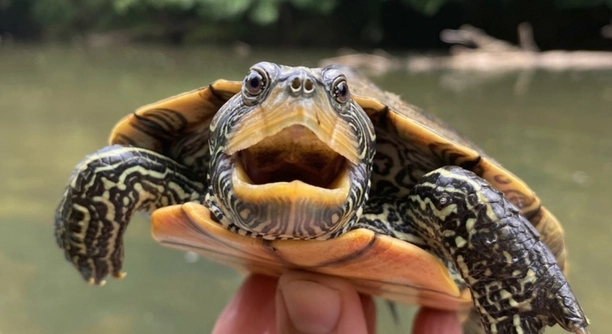
Map turtles are fascinating creatures that can be found in various parts of North America. These turtles are known for their unique appearance and behaviors, making them an interesting species to study. However, some are facing serious threats to their survival.
Yes, some species of map turtles are endangered due to habitat loss, pollution, and illegal collection. Conservation efforts are essential to protect these turtles, but their populations remain at risk without proper measures to address these environmental challenges.
Understanding these challenges and the ongoing conservation efforts will help in ensuring map turtles’ survival. This article will explore the situation and offer important insights on what can be done to protect them.
What Are Map Turtles?
Map turtles are known for the distinctive markings on their shells, which resemble maps. These turtles thrive in freshwater environments like rivers and lakes, where they bask on logs or rocks. There are several species, each with unique traits, but they all share a common vulnerability to environmental changes. Over time, these species have been affected by factors such as urbanization, water pollution, and climate change. These pressures have pushed certain populations to the brink of extinction. Despite this, conservation efforts continue to provide hope for their survival, though the task is far from easy.
Map turtles face significant challenges due to their sensitive habitat needs. Pollution, habitat destruction, and over-collection of these turtles for pet trade purposes have all played a role in their decline. It’s crucial to preserve their natural habitat to ensure their future.
Effective conservation involves protecting their habitats, reducing human interference, and educating the public on the importance of preserving these unique creatures. Stronger regulations and responsible behavior are needed for map turtles to have a fighting chance against extinction.
Why Are Map Turtles at Risk?
Many map turtles are facing the risk of extinction because their habitats are being rapidly destroyed. Dams, river development, and agriculture contribute to the disruption of their natural environment, making it difficult for them to thrive. Additionally, pollution, such as runoff from pesticides and plastics, contaminates the water they rely on for survival. These factors negatively affect their ability to find food, breed, and maintain a healthy lifestyle.
As human activity continues to impact their ecosystems, map turtles struggle to adapt. With fewer suitable nesting sites, many turtles face a difficult future. Conservationists are working hard to mitigate these risks by creating protected areas, advocating for sustainable land practices, and reducing pollution. However, the battle to protect these turtles is ongoing, and more attention is needed.
Educating the public on the importance of these turtles and the need to protect freshwater ecosystems is critical to the survival of map turtles. Their preservation depends not only on regulations but also on widespread efforts from individuals and communities.
Endangered Map Turtle Species
Several map turtle species are currently listed as endangered. The Alabama map turtle, for example, faces severe habitat loss due to dam construction and water pollution. Other species, like the Pascagoula map turtle, also struggle to survive in increasingly altered environments. These turtles require clean, flowing water to thrive, making them especially vulnerable to human activities that disrupt their natural habitats.
The decline of these species is largely driven by pollution, habitat fragmentation, and illegal pet trade. As their environments continue to degrade, the map turtles are finding it harder to meet their basic survival needs. Protecting their habitats and reducing human interference are essential steps toward preventing their extinction. Without focused conservation efforts, these species could disappear from the wild, leaving only those in captivity.
Efforts to protect these endangered species are critical to their survival. Restoration projects that clean water sources and reintroduce natural habitats have shown positive results. Collaborations with local communities and stricter regulations on land use and pollution are necessary for long-term success.
Conservation Efforts for Map Turtles
Conservation groups are working to save map turtles by focusing on habitat restoration and monitoring turtle populations. Many of these organizations collaborate with local governments to create protected areas and enact laws that prevent further habitat destruction. Public awareness campaigns also play a key role in encouraging people to reduce pollution and refrain from collecting these turtles.
One promising conservation strategy is captive breeding. This method aims to breed map turtles in controlled environments before releasing them into their natural habitats. By doing so, these turtles can be given a better chance at survival. However, successful breeding programs depend on continuous efforts to protect the wild habitats they will eventually return to. Without these precautions, captive-bred turtles may face the same threats as their wild counterparts.
In addition to breeding programs, active restoration of river ecosystems is a priority. This includes removing debris, planting native vegetation, and ensuring that water quality improves. Efforts are also underway to ensure that conservation laws are enforced, and that communities are educated about the importance of preserving these species. The combined efforts of scientists, lawmakers, and local communities are essential in safeguarding the future of map turtles.
Habitat Loss and Pollution
Map turtles are increasingly threatened by the loss of their natural habitats. Wetlands and freshwater rivers, which are essential for their survival, are being drained for agricultural and urban development. This forces map turtles to live in fragmented environments, making it harder for them to find food and shelter.
Pollution exacerbates the situation, especially water contamination from pesticides, plastics, and industrial runoff. These pollutants degrade water quality, harming not only the turtles but also their food sources. As a result, map turtles face challenges in staying healthy and reproducing in environments that are no longer safe for them.
Human Impact on Map Turtle Populations
Human activities, such as damming rivers and draining wetlands, have had a direct impact on map turtle populations. The creation of reservoirs and the modification of river flows disturb their natural behavior and nesting sites. These changes prevent map turtles from accessing the areas they rely on for food, shelter, and reproduction. As a result, some populations have been forced to relocate or face extinction.
Additionally, over-collection for the pet trade has put extra pressure on wild populations. With rising demand for exotic pets, map turtles are often taken from their habitats and sold illegally. This not only reduces their numbers but also disrupts their role in the ecosystem. The combination of these factors has made map turtles especially vulnerable.
The Role of Conservation Laws
Conservation laws play a critical role in protecting map turtles. Many regions have enacted regulations to preserve their habitats, limit hunting, and reduce pollution. These laws help maintain ecosystems that are crucial for the survival of map turtles, as well as other wildlife.
However, enforcement of these laws can be inconsistent. In some areas, illegal collection and pollution continue to pose significant threats. Ensuring that conservation laws are upheld and expanded is vital to creating safer environments for these turtles. Increased awareness and stronger penalties can help deter those who contribute to the decline of map turtle populations.
FAQ
What makes map turtles unique?
Map turtles are easily recognizable by the distinct patterns on their shells, resembling maps. These patterns, which differ among species, are what give them their name. They are typically found in freshwater environments like rivers, lakes, and streams. What sets them apart from other turtles is their preference for basking in groups on rocks or logs near the water. They are primarily aquatic and rely on their environments for both food and shelter, making them highly sensitive to habitat changes.
How many species of map turtles are there?
There are around 15 recognized species of map turtles, most of which are native to North America. The species vary in size, color, and pattern, with some being more specialized to certain types of freshwater habitats than others. The most well-known species include the Alabama map turtle, the Pascagoula map turtle, and the common map turtle. While these turtles share certain characteristics, each species faces unique challenges depending on their specific habitat and the threats they face.
Why are map turtles endangered?
Map turtles are endangered due to multiple factors, most notably habitat destruction, pollution, and over-collection for the pet trade. Damming of rivers and the draining of wetlands reduce the availability of suitable habitats for these turtles. Additionally, pollution from industrial and agricultural runoff contaminates their food and water sources, making survival difficult. The illegal pet trade also contributes to their decline, as wild turtles are captured and sold, further depleting wild populations.
What do map turtles eat?
Map turtles are omnivorous and have a diet that includes a wide range of foods found in their aquatic environments. They feed on insects, crustaceans, small fish, and various types of plant matter. Their diet can change based on the species and the availability of food in their habitat. For example, some species have more specialized diets, feeding primarily on mollusks and aquatic plants. In general, they are opportunistic feeders and will consume whatever is available to them in their environment.
How can we help protect map turtles?
To protect map turtles, efforts must focus on preserving their habitats and reducing pollution. This includes protecting wetlands, rivers, and lakes from development and ensuring that these environments remain clean and free from harmful chemicals. Reducing plastic waste and agricultural runoff is also crucial to maintaining healthy ecosystems. Supporting laws and regulations that protect these turtles, such as restrictions on the pet trade, can help reduce the impact humans have on their populations. Additionally, raising awareness about the importance of these turtles can encourage more people to participate in conservation efforts.
Are map turtles good pets?
While map turtles are often sought after as pets due to their unique appearance, they are not the easiest pets to care for. They require a large, well-maintained aquatic tank with both water and land areas to bask. Maintaining clean water is especially important, as map turtles are sensitive to poor water quality. Additionally, it is important to remember that many species of map turtles are endangered, and capturing them from the wild for the pet trade can have harmful effects on wild populations. If you choose to keep a map turtle as a pet, ensure that it is sourced responsibly and that you can meet its care requirements.
How do map turtles reproduce?
Map turtles reproduce through egg-laying, with females typically traveling to land to lay their eggs in sandy or soft soil. Depending on the species, a female may lay anywhere from 5 to 20 eggs in a single clutch. The eggs are left to incubate for several months, with the temperature of the nest determining the sex of the hatchlings. Warmer temperatures tend to produce more females, while cooler temperatures result in more males. After hatching, the baby turtles are left to fend for themselves, with few surviving to adulthood due to predation and environmental factors.
What threats do map turtles face in captivity?
Map turtles in captivity face several threats, including inadequate living conditions, improper diets, and exposure to harmful chemicals. Many pet owners do not provide the proper tank size or filtration systems, leading to poor water quality. Turtles may also suffer from malnutrition if their diet is not properly balanced. Furthermore, map turtles are often vulnerable to diseases like shell rot and respiratory infections if they are not kept in optimal conditions. It is important for pet owners to do extensive research and ensure that they can properly care for a map turtle before bringing one home.
Are map turtles protected by law?
Yes, several species of map turtles are protected by law due to their endangered status. In the United States, some species are listed under the Endangered Species Act, which offers legal protections against collection, trade, and habitat destruction. Conservation groups also work to protect these turtles through habitat restoration and public awareness campaigns. However, enforcement of these laws can vary by region, and illegal collection remains a threat. It is crucial to follow local regulations and support conservation efforts to help ensure the survival of map turtles.
How long do map turtles live?
Map turtles can live for many years in the wild, with some species reaching an average lifespan of 20 to 30 years. In captivity, with proper care, they can live even longer. However, their life expectancy is often shortened in the wild due to predation, habitat loss, and other environmental pressures. Female map turtles tend to live longer than males, as they often mature later and have fewer threats. The conditions in which they are raised and the level of care they receive can also significantly affect their lifespan.
Final Thoughts
Map turtles are fascinating creatures that play an important role in their ecosystems. They are known for their unique shell patterns and their preference for freshwater habitats. Unfortunately, these turtles are facing numerous challenges, including habitat loss, pollution, and over-collection. As their numbers continue to decline, it is essential to take action to protect them and their habitats. Conservation efforts, both at the local and global levels, are crucial to ensuring that map turtles continue to thrive in the wild.
Efforts to preserve map turtle populations involve a combination of habitat restoration, law enforcement, and education. Protecting the wetlands, rivers, and lakes where these turtles live is vital to their survival. Additionally, reducing pollution and regulating the pet trade are key components in their conservation. Educating the public about the importance of map turtles and their role in the environment is also necessary to encourage responsible actions. Supporting organizations that focus on wildlife conservation can make a significant difference in helping protect these turtles.
While the road ahead may be challenging, there is still hope for map turtles. Through consistent efforts and a shared commitment to their preservation, it is possible to reduce the threats they face. By taking small steps to protect their habitats and support conservation initiatives, we can ensure that future generations will be able to enjoy these unique creatures. The survival of map turtles depends on our actions, and together, we can make a positive impact.

Hello,
If you enjoy the content that we create, please consider saying a "Thank You!" by leaving a tip.
Every little bit helps us continue crafting quality advice that supports the health, happiness, and well-being of pets around the world, for pets of all shapes, sizes, and species.
We really appreciate the kindness and support that you show us!