
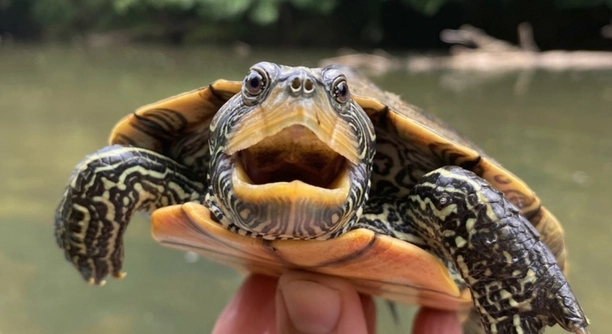
Map turtles are known for their shy nature, and it’s not unusual for them to hide when they feel stressed or insecure. Understanding why your turtle may be hiding is key to helping them feel more comfortable in their environment.
The most common reason map turtles hide is due to environmental stressors such as sudden changes in temperature, lighting, or water conditions. Ensuring a stable environment with proper basking areas and clean water can reduce this behavior significantly.
A better understanding of your turtle’s needs can help encourage them to become more active and confident.
Understanding Why Map Turtles Hide
When a map turtle hides, it’s often their instinctive way of dealing with stress or discomfort. These turtles are naturally shy creatures and may retreat when they feel threatened. Environmental factors, such as loud noises, sudden movements, or a lack of privacy in their tank, can cause them to seek refuge. Temperature fluctuations, improper lighting, or even the presence of other animals can also lead to hiding behavior. Observing your turtle’s body language can give you clues about what’s making them anxious. If your map turtle is hiding more than usual, it’s a good idea to check their environment for any changes or stressors.
The key to reducing hiding behavior is to ensure your turtle’s habitat is as comfortable as possible. Ensure the water temperature is consistent, and provide plenty of hiding spaces like aquatic plants or rocks, where they can retreat when needed. Turtles also enjoy basking in areas with proper lighting, which can help reduce stress.
By paying close attention to your turtle’s living conditions, you can create a more stable environment. Keep an eye on their behavior and make small adjustments when necessary to ensure they feel safe.
How to Make Your Turtle Feel Safe
One way to help your map turtle feel more at ease is by providing multiple hiding spots. This gives them options to retreat and feel secure. Additionally, offering a basking area with UVB lighting is essential for their well-being.
A well-balanced environment includes warm water, proper filtration, and consistent lighting. Regular cleaning of their habitat is also important, as dirty water can make them feel vulnerable.
Temperature and Lighting Issues
Map turtles are highly sensitive to temperature and lighting changes, which can cause them to hide. Ensure the water temperature remains between 75°F and 80°F, with a basking area reaching 85°F to 90°F. UVB lighting is crucial for their health and should be provided for 10 to 12 hours daily.
When the temperature or lighting is off, turtles may hide as a natural response to discomfort. Consistent light cycles and proper water temperature help reduce stress. A sudden change in these factors, like fluctuating water temperatures or inadequate UVB exposure, can make them feel insecure. Therefore, keeping their environment stable is key to minimizing hiding behavior.
If your turtle hides more often, check for any fluctuations in the water temperature or lighting. A thermometer and UVB light meter can help ensure their habitat conditions are always optimal. Regular monitoring is essential for creating a comfortable environment.
Creating a Secure Habitat
Providing adequate hiding spots can help your turtle feel more secure and reduce stress. Use natural materials like rocks, driftwood, or plants to create a more natural and inviting space.
Turtles need areas where they can retreat when feeling threatened, as it helps them feel in control of their surroundings. By arranging hiding spaces in different areas of the tank, your map turtle can choose where to hide, improving their overall comfort. Additionally, making sure your tank has both water and dry areas for basking will allow your turtle to adjust based on its needs. Keeping the habitat varied and enriched will encourage natural behaviors and lessen hiding.
Stress from Other Pets
Other pets in the household can contribute to your turtle’s hiding behavior. If there are loud noises, aggressive animals, or even curious pets getting too close, it can make the turtle feel threatened. This stress can lead them to hide more often.
Cats and dogs are especially known to cause stress for turtles due to their curiosity or instinct to chase. Even if they aren’t actively attacking, their presence alone can be overwhelming for a map turtle. Make sure your turtle’s tank is placed in a calm, quiet area away from potential threats.
Overcrowding in the Tank
If your map turtle’s tank is overcrowded, it can also cause them to hide more frequently. When there’s not enough space to roam freely, turtles can become stressed, leading them to seek refuge.
Overcrowding can lead to competition for basking spots, hiding places, and even food. To avoid this, ensure your tank has adequate space for your turtle to move around comfortably. As a general rule, allow at least 10 gallons of water per inch of turtle shell to reduce stress and encourage a healthier environment.
Water Quality
Poor water quality can make map turtles uncomfortable, prompting them to hide. Stale or dirty water creates an environment that can affect their health and overall well-being.
Regular water changes, proper filtration, and monitoring water conditions like pH and ammonia levels are essential. Keeping the water clean not only supports their health but can also reduce hiding behavior caused by discomfort. Test the water regularly and perform necessary maintenance to create a safe and welcoming habitat.
FAQ
Why is my map turtle hiding all the time?
Map turtles may hide for various reasons, but the most common ones are environmental stressors or discomfort. If the water temperature is too cold, the lighting is insufficient, or there are other pets disturbing them, your turtle may seek refuge. They are naturally shy and prefer hiding when they feel unsafe or unsettled. Sometimes, a simple change in their habitat, like adding more hiding spots or ensuring proper lighting, can help them feel more secure and reduce hiding behavior.
What should I do if my map turtle hides constantly?
Start by checking their environment. Make sure the water temperature is within the proper range (75°F to 80°F), and that the basking area is warm enough (85°F to 90°F). Ensure they have enough hiding spots, like rocks or plants, and that the tank is free from stressors, including loud noises or too much activity. You may also want to observe your turtle’s behavior closely to identify any changes that could be causing stress. It could also be helpful to give your turtle some time to adjust to their new environment, as they may need time to feel safe.
Can map turtles hide when they are sick?
Yes, map turtles may hide if they are not feeling well. Just like with other animals, hiding is a common response to illness or discomfort. If your turtle has been hiding more than usual and shows other signs of distress—like loss of appetite, lethargy, or abnormal swimming behavior—it’s best to consult a veterinarian. Illness can sometimes go unnoticed because turtles instinctively hide when they’re not feeling well, so it’s important to pay attention to their behavior.
Is it normal for map turtles to hide after eating?
It’s normal for map turtles to hide after eating. They may retreat to a hiding spot to digest their food in peace. This behavior is not a cause for concern unless your turtle is hiding for long periods after meals or showing signs of distress. If they hide for a while but seem healthy otherwise, there is likely no reason to worry.
How often should I clean my turtle’s tank to prevent hiding?
Regular tank cleaning is essential for maintaining a healthy environment. Map turtles are sensitive to poor water quality, so cleaning the tank at least once a week is recommended. Ensure that you change the water, clean the filter, and remove any debris or waste. Regular water changes will not only prevent hiding caused by poor water quality but will also keep your turtle healthier in the long run.
How can I encourage my map turtle to come out more often?
Encouraging your map turtle to be more active starts with creating a comfortable, stress-free environment. Make sure the water temperature, lighting, and water quality are all ideal. Add more hiding spots and basking areas so your turtle feels secure. A well-structured tank with plenty of space for swimming and basking can help your turtle feel more at ease and encourage them to spend more time out of hiding.
Can I force my map turtle out of hiding?
It’s important not to force your map turtle out of hiding. Doing so can cause additional stress, making the hiding behavior worse. Instead, allow them to come out on their own when they feel safe. If the turtle is hiding more frequently or for extended periods, consider adjusting their environment to make it more comfortable and secure. Over time, they may become more confident and active as their habitat improves.
Are map turtles nocturnal?
Map turtles are not strictly nocturnal, but they are often more active during dawn and dusk. They may hide during the day to avoid direct sunlight or when the environment feels too warm or bright. However, they are not completely inactive during the day and may come out to bask or swim if they feel comfortable enough. If your turtle seems to be more active at night, it’s likely due to environmental factors or their natural behavior patterns.
How do I know if my turtle is stressed?
Stress in map turtles can manifest in several ways. Hiding for extended periods, refusal to eat, abnormal swimming behavior, and erratic movements can all be signs of stress. If your turtle is acting differently or seems lethargic, check their environment for any potential stressors. It could be an issue with temperature, lighting, tankmates, or even water quality. If you can’t find any obvious causes and stress continues, it may be time to consult a veterinarian for further advice.
What do I do if my map turtle stops eating?
If your map turtle stops eating, it could be a sign of stress or illness. First, check their environment to ensure it is clean, the water temperature is correct, and they have a proper basking area. If the conditions seem fine and your turtle continues to refuse food, a trip to the vet might be necessary. Sometimes, map turtles can refuse food due to the wrong diet, so it’s important to ensure they are getting the right type of food, such as a mix of pellets, vegetables, and occasional protein.
Should I remove other pets if my turtle is hiding too much?
If your map turtle is hiding more than usual and there are other pets nearby, it may be a good idea to temporarily move them to a quieter area. Pets like cats, dogs, or other aquarium creatures can cause stress to a turtle. If removing other pets from the immediate area does not solve the issue, focus on improving the turtle’s environment to make it more relaxing for them.
Final Thoughts
Map turtles are naturally shy creatures, and it’s not uncommon for them to hide when they feel stressed, uncomfortable, or unsure about their environment. Whether they’re responding to changes in their habitat, poor water quality, or the presence of other pets, understanding the causes behind their behavior is crucial. Paying attention to your turtle’s surroundings and ensuring they have a safe and comfortable space can go a long way in reducing their hiding tendencies.
Taking small steps, such as adjusting the water temperature, cleaning the tank regularly, and providing hiding spots, can help improve their environment. It’s also important to consider the role of other pets. If your map turtle is constantly hiding, it may be due to stress from pets like cats or dogs. By setting up a more peaceful, secure space and avoiding unnecessary disturbances, you can help your turtle feel safer and more willing to explore its habitat.
If your turtle’s hiding behavior persists despite making environmental changes, it’s always a good idea to consult a veterinarian. Persistent hiding can sometimes indicate health issues, such as illness or injury, that need professional attention. By paying close attention to your map turtle’s habits and needs, you can provide the best care possible and ensure that it lives a healthy and happy life in your care.

Hello,
If you enjoy the content that we create, please consider saying a "Thank You!" by leaving a tip.
Every little bit helps us continue crafting quality advice that supports the health, happiness, and well-being of pets around the world, for pets of all shapes, sizes, and species.
We really appreciate the kindness and support that you show us!