
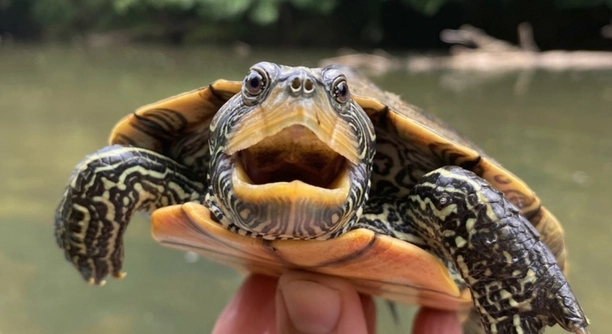
Map turtles are fascinating creatures, but they can experience changes in appetite during certain times of the year, especially in the fall. This shift may leave owners wondering why their turtle is eating less. Seasonal changes often play a role.
Map turtles naturally eat less in the fall due to a decrease in their metabolic rate as temperatures drop. In colder weather, their activity levels reduce, leading to less food consumption. They may also prepare for winter by slowing down their digestion.
Understanding the reasons behind these changes can help you provide the best care for your map turtle. It’s important to observe their behavior and adjust their diet accordingly.
Seasonal Changes and Map Turtles
As temperatures begin to drop in the fall, map turtles slow down, both physically and in terms of their food consumption. In cooler weather, their metabolism naturally slows, meaning they don’t need to eat as much. When this happens, their energy needs decrease, which is why you may notice your map turtle eating less. This behavior is perfectly normal and happens every year as a part of their natural cycle. During colder months, turtles are less active, spending more time basking and resting.
The change in appetite can vary depending on the turtle’s environment and the water temperature. If the water is too cold, the turtle’s metabolism might slow down even more. During this time, it’s important not to worry too much. It’s all a part of their natural process.
It’s helpful to observe your turtle closely for any signs of stress. If their reduced appetite lasts too long or seems abnormal, consider adjusting the water temperature or lighting conditions. Ensuring that their habitat mimics natural fall and winter conditions will support a healthy lifestyle.
How to Manage Their Diet
As the temperature continues to drop, it’s important to make sure your map turtle still gets the right nutrients, even if they’re eating less. Offer them a variety of food to encourage eating.
Turtles may be less interested in their food during fall, but they still need proper nutrition to stay healthy. Make sure they get enough protein and greens. Adjusting their feeding schedule slightly can also help. Instead of offering food daily, try every other day to see what works best for them.
Temperature and Its Effect on Appetite
As the temperature drops in the fall, it can impact your map turtle’s appetite. Cold water slows their metabolism, reducing the need for food. This is a natural response to the changing season. Make sure the water temperature stays within the appropriate range to avoid making your turtle too sluggish or inactive.
To ensure proper care, try to keep their habitat temperature stable. If the water becomes too cold, your turtle may stop eating altogether or eat even less. A stable environment will help maintain their health during the seasonal changes, allowing them to adjust at their own pace.
For optimal conditions, avoid sudden temperature changes. Use a heater if needed to keep the water warm enough for your turtle’s needs. If the water is too cold for too long, your turtle may go into a state of brumation, where they become inactive and stop eating entirely.
Reducing Activity and Its Impact on Food Intake
When map turtles reduce their activity level in the fall, their need for food decreases as well. Less movement means less energy is required to function. This can lead to a natural reduction in their food intake.
This decrease in activity can sometimes be concerning for turtle owners, but it’s simply part of the seasonal cycle. In the wild, turtles instinctively slow down during colder months, conserving energy for when they need it. In captivity, your turtle will likely follow similar patterns. Keep the environment calm and allow them to rest without interruption.
Turtles may spend more time basking and hiding during colder months, which naturally leads to less food consumption. If you’re concerned, consider providing food more sparingly to avoid waste. A healthy, comfortable environment will support their natural eating habits.
Light Exposure and Feeding Behavior
Reduced daylight hours in the fall can also influence your map turtle’s eating habits. Turtles rely on light to regulate their internal clocks, and shorter days often lead to less activity and a decreased appetite. This is a natural response to seasonal changes.
You can help by providing adequate UVB lighting in their enclosure. This will keep their internal clocks in sync, even when daylight is shorter. Offering light in the morning and evening may encourage your turtle to remain active and feed when they feel most comfortable.
Adjusting Their Feeding Schedule
As fall approaches, map turtles may require fewer meals due to their reduced activity. Adjusting their feeding schedule is one way to help. Offer food less frequently, allowing them to feed when they’re more active.
This change can be gradual. Start by skipping a day between feedings. If your turtle still refuses food, wait a few more days before offering more. Over time, their appetite will likely align with the seasonal change, and they’ll eat when their body tells them it’s necessary.
FAQ
Why is my map turtle not eating as much in the fall?
Map turtles naturally eat less in the fall due to a decrease in their metabolic rate as temperatures drop. Colder water means your turtle’s body doesn’t require as much energy, so they eat less. This is a normal part of their seasonal cycle. As their activity level decreases and they prepare for cooler months, it’s common for their appetite to reduce.
Should I be worried if my map turtle is eating less?
In most cases, no, there’s no need to worry. Map turtles typically eat less in the fall and winter, especially as the weather cools. They slow down and spend more time basking or resting. However, if the lack of appetite continues for a long period or if your turtle seems lethargic, it may be time to consult a vet to rule out any underlying health issues.
How can I tell if my map turtle is unhealthy?
If your turtle stops eating for an extended period, shows signs of weight loss, or becomes excessively lethargic, these could be signs of illness. Look for any abnormal behavior, such as difficulty swimming or shell discoloration. It’s best to keep a close eye on their general behavior and consult a vet if anything unusual occurs.
Can I still feed my map turtle even if it’s eating less?
Yes, you can still offer food, but you may need to adjust how often you feed them. Instead of daily feedings, try offering food every other day or when they show signs of hunger. Overfeeding during this time could lead to waste, so offer only what your turtle will eat in one sitting.
What should I feed my map turtle during the fall?
Offer a balanced diet that includes leafy greens, aquatic plants, and occasional protein like worms or fish. Even though your turtle might eat less, it’s important to provide a variety of food to ensure they receive the necessary nutrients. Reduce the amount of protein if their activity decreases.
Is it normal for map turtles to be less active in the fall?
Yes, it’s entirely normal. As the weather cools, map turtles naturally become less active. Their reduced activity is a result of their slower metabolism, which helps conserve energy. They may spend more time basking or hiding in their habitat, and this inactivity can last throughout the fall and winter.
How can I make sure my map turtle stays healthy during the colder months?
Ensure that the water temperature is kept stable and within the proper range. You may need a water heater to maintain the right conditions. Additionally, provide adequate UVB lighting to help regulate their internal clock and encourage natural behavior. Keep the environment clean and free from stressors.
Does the water temperature affect my turtle’s appetite?
Yes, colder water will slow your turtle’s metabolism, leading to a decreased appetite. If the water is too cold, your turtle may stop eating altogether. It’s important to keep the water temperature in the proper range for your turtle’s species to maintain their health and appetite.
Can I keep feeding my map turtle the same amount of food during the fall?
It’s best to reduce the amount of food you offer during the fall as your map turtle will likely eat less. This decrease in food intake aligns with their slower metabolism. Offer smaller portions and adjust their feeding schedule based on their appetite and activity levels.
How do I know if my turtle is brumating instead of just eating less?
Brumation is a deeper form of inactivity similar to hibernation. If your turtle is eating less, resting more, and barely moving, it might be brumating. Look for signs like prolonged periods of not eating and inactivity for several weeks. If you suspect brumation, consult a vet to confirm.
Can I continue to handle my turtle if it’s eating less?
If your turtle is eating less due to seasonal changes, it’s still okay to handle it occasionally, but be mindful of its behavior. Excessive handling or stress can worsen its appetite loss. Keep the interactions calm and limited to avoid disrupting their natural routine.
What should I do if my turtle’s appetite doesn’t improve in the spring?
If your turtle’s appetite does not return to normal after the colder months, it’s time to consult a vet. Lack of appetite for a prolonged period could be a sign of underlying health issues that need professional attention. Make sure all environmental factors are optimal before seeking advice.
Is there anything I can do to encourage my turtle to eat more in the fall?
Try offering different types of food, such as live prey or fresh vegetables. Warming up the water slightly (without making it too hot) may also help your turtle become more active and interested in eating. Keep their environment calm, and avoid sudden changes that could add stress.
Final Thoughts
As the cooler months approach, it’s common for map turtles to eat less and become less active. This behavior is a natural response to the changing season. Their metabolism slows down in colder temperatures, which reduces their need for food. While it may seem concerning at first, this is part of their biological rhythm and typically nothing to worry about. As long as their environment remains stable, they will adjust to the cooler conditions without issues.
However, it’s still important to monitor your turtle’s health during this time. Keep an eye on their behavior, and ensure that the water temperature stays within the proper range. If you notice your turtle becoming too lethargic or showing signs of illness, such as difficulty swimming or shell discoloration, it’s essential to consult a veterinarian. These could be signs that something else is affecting their health, and early intervention can make a big difference.
In conclusion, understanding your map turtle’s natural patterns can help you care for them effectively during the fall and winter. By providing the right environment, such as a stable water temperature and adequate UVB lighting, your turtle will feel comfortable and safe. Adjusting their feeding schedule and offering food that aligns with their seasonal appetite will ensure they remain healthy during this time of year. Always remember, a little change in appetite is often just a sign of seasonal adjustment, not something to worry about.

Hello,
If you enjoy the content that we create, please consider saying a "Thank You!" by leaving a tip.
Every little bit helps us continue crafting quality advice that supports the health, happiness, and well-being of pets around the world, for pets of all shapes, sizes, and species.
We really appreciate the kindness and support that you show us!