
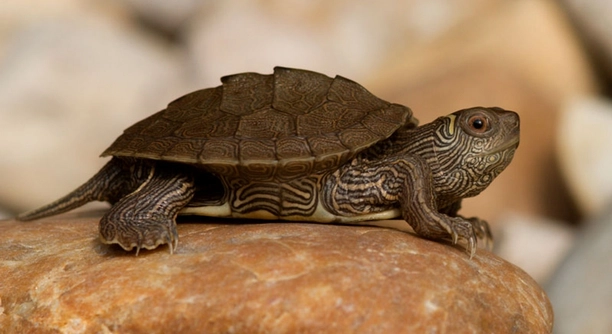
Map turtles are interesting little creatures with unique dietary needs. As a pet owner, you might wonder what kinds of foods they can safely eat. Feeding them the right fruits can help them thrive and stay healthy.
Map turtles can eat bananas in moderation. While not harmful in small amounts, bananas are high in sugar and should not be a staple in their diet. Instead, offer a variety of fruits and vegetables to maintain balance.
Learning which fruits are best for map turtles ensures they enjoy a nutritious and varied diet. This will keep them active and happy in their habitat, while also meeting their dietary needs.
What Fruits Are Safe for Map Turtles?
Map turtles need a balanced diet to stay healthy. While fruits can be a tasty treat, not all fruits are suitable. It’s important to focus on low-sugar fruits like berries, apples, and melons. These provide the vitamins and hydration map turtles need without overwhelming their system with too much sugar. Fresh fruits, when offered in small amounts, can add variety to their diet. However, be sure to remove any seeds or pits that could be harmful to them.
Bananas are generally safe for map turtles in moderation, but they are not the best option for regular feeding. High in sugar, they should only be an occasional treat. Too much sugar can lead to weight gain and potential health issues. Instead, stick to fruits that are high in water content, like watermelon, and those that provide a range of vitamins and minerals. These help support their overall well-being.
Fruits should be considered an occasional snack rather than a staple. Map turtles are omnivores, so their diet should consist mainly of protein, such as small fish or invertebrates, along with leafy greens. Fruits and vegetables should be offered in moderation, focusing on variety and balance. Keeping their diet diverse ensures they get all the nutrients they need for proper growth and health.
Best Vegetables for Map Turtles
Leafy greens are some of the best vegetables for map turtles. They are rich in nutrients and provide essential fiber. Some good options include dandelion greens, kale, and collard greens. These leafy vegetables can be served fresh and are easy to prepare.
Vegetables like carrots and squash are also great additions to their diet. These vegetables are full of vitamins and minerals that support their immune system and overall health. You can offer them shredded or chopped to make them easier to eat. Be sure to avoid feeding map turtles any vegetables that are high in oxalates, like spinach, as they can cause health problems when consumed in large quantities. Keep variety in mind when selecting vegetables. A mix of greens, fruits, and occasional protein will help provide everything your map turtle needs.
A healthy diet for map turtles should be balanced with both plant and animal-based foods. While fruits and vegetables are important, you should also include live or freeze-dried insects, small fish, or other protein sources. Providing this variety will ensure your turtle gets all the essential nutrients it needs for a long, healthy life.
Fruits to Avoid Feeding Map Turtles
Citrus fruits like oranges and lemons should be avoided when feeding map turtles. These fruits are acidic and can cause digestive upset. Similarly, grapes, while safe in small quantities, are high in sugar and can lead to obesity if overfed. It’s best to stick to fruits that are lower in sugar content.
Avocados, though nutritious for humans, are toxic to many animals, including turtles. They contain a substance called persin, which can cause serious health issues. It’s important to research any fruit you plan to feed your turtle to ensure it’s safe. Always check for harmful compounds that could affect your turtle’s health. Too much sugar or toxicity can lead to long-term issues that are difficult to treat.
Another fruit to avoid is pineapple. While it’s not toxic, the high acidity can irritate your map turtle’s digestive system. The sugary content in pineapple can also contribute to health problems if consumed too frequently. Keep in mind that moderation is key, and it’s best to offer a variety of safe fruits for your turtle.
Can Map Turtles Eat Apples?
Map turtles can safely eat apples, but they should be prepared properly. Remove the seeds and core, as they contain small amounts of cyanide, which can be toxic to turtles. Cut the apple into small, bite-sized pieces to make it easier for them to eat.
Apples are a good source of fiber, which is essential for digestion. They also provide important vitamins, like vitamin C, which supports the immune system. The crisp texture can be enjoyable for map turtles, offering a different texture compared to their usual leafy greens and protein-based foods. However, keep in mind that apples are higher in sugar, so moderation is important.
When feeding apples, avoid giving too much at once. Offering small amounts once or twice a week is plenty for map turtles. A balanced diet will prevent your turtle from consuming too much sugar, while still giving them the nutrients they need. As with any fruit, variety is the key to providing a healthy diet for your turtle.
Can Map Turtles Eat Strawberries?
Strawberries are safe for map turtles to eat in moderation. They provide vitamins and antioxidants that can be beneficial. However, they are high in sugar, so only offer small portions to avoid health issues like obesity. Always wash strawberries thoroughly before feeding them to remove pesticides.
Feeding strawberries once or twice a week is a good way to add variety to their diet. As with other fruits, it’s important not to overdo it. A little goes a long way, and balance is key to maintaining your turtle’s health. You can slice the strawberries into small pieces to make them easier to eat.
Feeding Map Turtles Mango
Mango can be fed to map turtles as an occasional treat. The fruit is high in vitamins A and C, which can help boost their immune system. However, it’s important to remove the pit, as it can pose a choking hazard. Cut the fruit into small pieces.
Mangoes are rich in natural sugars, so they should only be offered sparingly. Too much sugar can lead to health issues, so moderation is essential. This fruit can be a good way to provide a different flavor and texture, but it should not replace their main diet of leafy greens, protein, and other vegetables.
Are Grapes Safe for Map Turtles?
While grapes are safe for map turtles in small amounts, they should not be given often. They are high in sugar, which can lead to obesity and other health problems if fed too frequently. Always cut grapes into smaller pieces to prevent choking.
It’s important to feed grapes in moderation and as part of a varied diet. Though sweet and appealing to turtles, they should not be a staple food. Combining grapes with other fruits like melon or berries, which are lower in sugar, will help maintain balance in your turtle’s diet.
Can map turtles eat blueberries?
Yes, map turtles can eat blueberries. These small fruits are low in sugar and provide valuable antioxidants and vitamins. Blueberries are also a good source of water, helping keep your turtle hydrated. However, they should only be fed in moderation, as too much fruit can upset their digestive system.
Blueberries are soft and easy to eat, making them a great treat for turtles. You can feed them whole, but it’s a good idea to wash them thoroughly before offering them to your turtle to remove any pesticides or chemicals. A few blueberries once or twice a week is plenty to keep them healthy.
Can map turtles eat watermelon?
Watermelon is safe for map turtles and can be a refreshing treat, especially in warm weather. It is packed with water, which helps keep your turtle hydrated. Watermelon also contains some vitamins and minerals, including vitamin A and C.
Be sure to remove the seeds before offering watermelon to your turtle, as these can be a choking hazard. Also, since watermelon is high in water content, it should not be their primary food source. It’s best served as an occasional treat alongside other more nutritionally balanced foods, like leafy greens and protein sources.
Is it safe to feed map turtles grapes?
Grapes can be fed to map turtles, but only in small amounts. They are high in sugar, which can lead to health issues like obesity if fed too often. Cut the grapes into smaller pieces to prevent choking and limit the number of grapes given to your turtle.
While grapes do contain some beneficial nutrients, they should be treated as an occasional snack rather than a regular part of their diet. Stick to other fruits like berries or apples that have lower sugar content and are easier on your turtle’s digestive system.
Can map turtles eat pears?
Pears are safe for map turtles to eat in moderation. Like apples, pears provide fiber and some important vitamins. However, pears are also high in sugar, so they should not make up a large portion of their diet. Always remove the core and seeds before feeding.
Cut the pear into small pieces so your turtle can easily eat it. Offering pears once or twice a week is sufficient to add variety to their diet. As with all fruits, moderation is key, and it’s important to balance fruits with other healthy foods.
Can map turtles eat bananas regularly?
While map turtles can eat bananas, they should not be a regular part of their diet. Bananas are high in sugar, which can lead to obesity and other health problems if consumed too frequently. It’s best to offer bananas as an occasional treat, rather than a staple food.
When feeding bananas, peel them first and cut them into small, bite-sized pieces to make it easier for your turtle to eat. Moderation is important to ensure your turtle remains healthy and their diet stays balanced. Combine bananas with other fruits like berries or melon to maintain variety.
Can map turtles eat mango?
Yes, map turtles can eat mango. It is high in vitamins A and C, which help boost their immune system. Mango is also a good source of natural sugars, but because of its high sugar content, it should be fed sparingly.
Remove the pit of the mango before feeding it to your turtle, as it could cause choking or digestive issues. Offer mango in small, manageable pieces to avoid any problems. Like other fruits, mango should be a treat and not a regular part of their diet.
Can map turtles eat tomatoes?
Tomatoes can be fed to map turtles, but they should only be offered occasionally. While tomatoes are not toxic, they can be acidic, which might cause digestive discomfort for your turtle. They also contain solanine, which is a compound found in some plants that can be harmful in large amounts.
It’s best to offer small pieces of tomato and monitor your turtle’s reaction. If they seem to have trouble digesting it, consider eliminating tomatoes from their diet. As with any food, ensure it is given in moderation and as part of a well-rounded diet.
What is the best diet for map turtles?
A balanced diet is essential for map turtles. Their diet should include a combination of leafy greens, vegetables, protein sources like small fish or insects, and occasional fruits. Some of the best vegetables for map turtles include dandelion greens, kale, and collard greens, while protein options can include crickets, earthworms, and small shrimp.
Leafy greens should form the base of their diet, with occasional fruits for variety. While fruits like berries, melon, and apples can be offered, they should only make up a small portion of the diet due to their sugar content. Always provide fresh, clean water and avoid feeding your turtle foods that are high in sugar or fat.
Can map turtles eat spinach?
Spinach is generally not recommended for map turtles, as it contains high levels of oxalates. Oxalates can bind with calcium, preventing your turtle from absorbing this important mineral. Over time, this can lead to calcium deficiency, which can result in shell deformities and other health problems.
If you do feed spinach, it should be in moderation and as part of a varied diet. Instead, focus on other leafy greens like kale, collard greens, and dandelion greens that provide the necessary nutrients without the risks associated with oxalates.
Feeding your map turtle a healthy and balanced diet is crucial for its overall well-being. While fruits like bananas, apples, and berries can be a tasty treat, they should only be offered in moderation. Too much sugar from fruits can lead to health issues such as obesity or digestive problems. A good rule of thumb is to offer fruits as an occasional snack rather than a regular part of their diet. Map turtles thrive on a mix of protein, vegetables, and leafy greens, which are their main sources of essential nutrients.
Choosing the right foods for your map turtle is also about variety. No single food will meet all their dietary needs, so it’s important to offer different types of fruits, vegetables, and protein sources. Protein like small fish, insects, and even worms should be included in their diet regularly. Leafy greens like kale, collard greens, and dandelion greens should make up the bulk of their meals. Avoid feeding them foods that are too high in oxalates or those that are toxic, like spinach or avocado. This helps ensure that your turtle gets the right balance of vitamins and minerals.
Lastly, remember that map turtles are not just about their diet. Their environment and habitat play a significant role in their health too. Make sure they have access to clean water, a proper basking area, and the right temperature. A healthy habitat, combined with a proper diet, will keep your map turtle active, happy, and healthy for years to come. By being mindful of what you feed them and paying attention to their overall care, you can provide your turtle with the best life possible.

Hello,
If you enjoy the content that we create, please consider saying a "Thank You!" by leaving a tip.
Every little bit helps us continue crafting quality advice that supports the health, happiness, and well-being of pets around the world, for pets of all shapes, sizes, and species.
We really appreciate the kindness and support that you show us!