
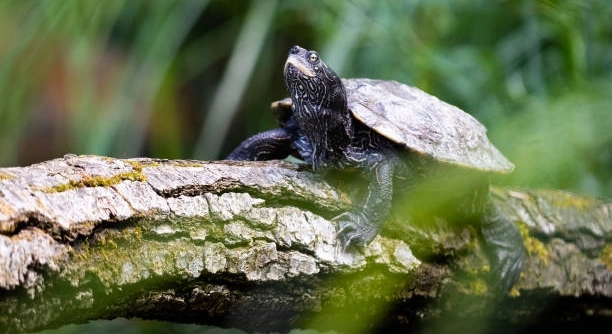
Map turtles are known for their calm nature, but sometimes they might act distant or avoid their tankmates. Understanding why this happens can help improve the living conditions and well-being of your turtle.
The main reason why your map turtle may avoid other tankmates is due to territorial behavior or stress from overcrowding. Map turtles are naturally solitary creatures and can become stressed when sharing space with other turtles or incompatible tankmates.
Factors like space, food competition, and tank environment can all influence how your map turtle interacts with others. Understanding these factors can help ensure a harmonious habitat.
Territorial Behavior and Space Issues
Map turtles are naturally territorial animals. They prefer having their own space and might not appreciate the presence of other turtles or creatures invading it. When two or more turtles are housed in a confined area, they can become stressed or anxious. These territorial instincts can cause them to avoid others, especially if they feel their space is being threatened. In the wild, map turtles often live alone, and their behavior in captivity reflects this preference. If your turtle is constantly retreating to the corners of the tank or hiding, it may simply need more room to feel secure.
Sometimes, tankmates may not be the right fit for your map turtle. A calm and quiet environment is essential for their well-being. If you notice your turtle constantly trying to escape from other animals, the issue may be more about space and comfort than aggression.
Tank overcrowding can lead to heightened stress levels. Ensure your turtle has a large enough area to roam, bask, and explore without constant interference from other animals.
Food Competition
Map turtles can be sensitive to food competition, especially when housed with other turtles or tankmates. If they feel like they are not getting enough food, they might avoid social interactions altogether.
When food is scarce or shared between tankmates, map turtles can become territorial about their meals. They will sometimes avoid interacting with other animals out of fear they won’t get their fair share. Providing enough food for each turtle or tankmate is a simple yet effective way to reduce this behavior. Adding separate feeding areas or offering food in different spots can help ensure your turtle feels secure during feeding time.
If your map turtle feels like it is constantly competing for food, it may act out by avoiding others, especially when feeding time comes around. This instinct is natural, as turtles are used to seeking food on their own in the wild. You can reduce this stress by being mindful of their feeding habits.
Stress and Poor Water Quality
Poor water quality is a major factor that can stress out your map turtle. When the water is dirty or improperly maintained, it affects their health and comfort, leading them to avoid tankmates. Map turtles are sensitive to changes in water parameters like pH, temperature, and ammonia levels. If your turtle is staying away from others, it may be trying to escape the discomfort caused by poor water conditions. Maintaining a clean tank with regular water changes will help keep your turtle comfortable and reduce stress.
If your map turtle is constantly hiding or avoiding others, check your water quality. Turtles are sensitive to water chemistry and poor conditions can lead to health issues, making them more prone to isolation.
A filter can also help maintain water quality and reduce stress. Regular cleaning of the tank and monitoring of the water parameters can ensure a healthier environment for your map turtle. Poor water quality may not only affect behavior but also cause long-term health issues.
Incompatible Tankmates
Some tankmates may not be suitable for map turtles. Not all species get along with turtles, and this could lead to your turtle avoiding them. If your map turtle is in a tank with aggressive or overly active tankmates, it might avoid interaction to stay safe. Certain fish or other reptiles may try to bully your turtle, pushing it into isolation.
Understanding which species are compatible with map turtles is crucial for creating a peaceful tank. Tankmates that are too aggressive or too active can make your map turtle uncomfortable, leading to behavioral changes. If possible, house your map turtle with calm, slow-moving animals to avoid stress.
Try separating your map turtle from tankmates that cause distress. A larger tank or rearranging the habitat might help as well. Giving your turtle its own space can ensure it feels secure and more open to social interaction with other animals.
Temperature and Lighting
Map turtles need a consistent temperature to feel comfortable. If your tank’s water is too cold or too warm, your turtle may avoid interacting with others. Keeping the water within the ideal range is crucial for your turtle’s well-being.
In addition to water temperature, proper lighting is essential for your turtle to thrive. If the basking area is not warm enough or lacks UVB lighting, your turtle may become stressed. This discomfort can lead to the turtle avoiding its tankmates as it seeks refuge in more comfortable areas.
Providing a stable environment with consistent lighting and temperature helps ensure your map turtle stays active and social. Regularly check the water temperature and light exposure to maintain a healthy habitat.
Health Concerns
Health issues can make your map turtle more withdrawn. If your turtle is feeling sick, it may isolate itself to avoid other tankmates.
Signs of illness in turtles include lack of appetite, swollen eyes, or abnormal swimming patterns. If you notice these symptoms, consider taking your turtle to a vet. Treating health problems early can prevent further stress and behavioral changes.
Map turtles are resilient, but a serious health problem can affect their social behavior. Ensure your turtle has access to proper medical care if needed. Regular health checks are important to catch issues before they affect the turtle’s interactions with others.
FAQ
Why is my map turtle always hiding?
Map turtles hide for several reasons, but the most common is stress. It could be due to poor water quality, overcrowding, or incompatible tankmates. A hiding turtle may also be feeling unwell or need a quiet space to relax. If your turtle spends most of its time hiding, check for environmental issues like improper tank temperature, lighting, or water quality. Ensure the tank has enough space and a variety of hiding spots, so the turtle can retreat when needed.
How do I know if my map turtle is stressed?
Stress in map turtles is often seen through changes in behavior, such as refusing to eat, hiding more frequently, or avoiding social interaction. You may also notice signs like erratic swimming or aggressive behavior towards other tankmates. Stress can result from poor water quality, inappropriate tankmates, or environmental conditions. If these behaviors persist, check water parameters, the tank setup, and consider separating incompatible tankmates.
Can map turtles live with fish?
Some species of fish can coexist peacefully with map turtles, but it depends on the fish type. Avoid keeping aggressive fish or fast-moving species that might cause stress. Small fish might also become targets for map turtles as they tend to be opportunistic feeders. Ideally, choose peaceful, larger fish that won’t be seen as food. Make sure the tank is large enough to accommodate both.
Do map turtles need to be in pairs?
Map turtles do not need to be in pairs. They are solitary creatures and often prefer to be alone, especially in captivity. Keeping multiple map turtles together can sometimes lead to territorial disputes and stress. If you do want more than one, ensure your tank is large enough and that the turtles are compatible.
How can I improve my map turtle’s social behavior?
To improve your map turtle’s social behavior, ensure the tank environment is stress-free. Provide plenty of space, proper lighting, and clean water. Avoid overcrowding and make sure your turtle’s tankmates are compatible. If your turtle is still avoiding others, it may be best to separate them temporarily to see if it helps.
What temperature should my map turtle’s tank be?
Map turtles need water temperatures between 75°F and 80°F. The basking area should be between 85°F and 90°F. Proper temperature regulation is key to a healthy, happy turtle. If the water is too cold, your turtle may become sluggish, while excessively warm water can cause stress. A reliable heater and thermometer are essential for keeping the tank within the proper range.
How do I deal with a map turtle that is aggressive towards others?
Aggression can be a sign of territorial behavior or stress. If your map turtle is being aggressive towards its tankmates, consider separating them into different tanks or giving the turtle more space. Aggressive turtles may also be stressed from overcrowding or an unsuitable environment, so make sure the tank conditions are optimal.
Is it normal for my map turtle to ignore its food?
Sometimes map turtles may ignore food, especially if they are stressed or unwell. This can also happen if their environment is not suitable, such as water that is too cold or too warm. Check the water temperature, lighting, and tankmates to see if there is something causing stress. Illness can also cause a loss of appetite, so if the problem persists, consult a vet.
How can I tell if my map turtle is sick?
Signs of illness in map turtles include swollen eyes, lethargy, irregular swimming, and a lack of appetite. If your turtle is showing any of these signs, it’s essential to consult a vet. Common illnesses in turtles include respiratory infections, shell rot, and eye problems. Early diagnosis can prevent further complications.
Can map turtles live in a tank with other reptiles?
Map turtles can sometimes live with other reptiles, but it’s important to choose tankmates carefully. Avoid housing them with species that are aggressive, too active, or that might see them as prey. Reptiles that have similar environmental needs, such as temperature and humidity, might work better together. Always monitor interactions to ensure all animals are comfortable and healthy.
Final Thoughts
If your map turtle is avoiding its tankmates, there could be several reasons behind this behavior. It’s important to understand that map turtles are naturally solitary creatures, and they may simply prefer having their own space. Territorial instincts can cause them to avoid other animals, especially in smaller or crowded tanks. Providing enough space and a comfortable environment will help your turtle feel secure. Keep in mind that your turtle’s behavior could also be influenced by factors like stress, poor water quality, or food competition, all of which can affect its interactions with tankmates.
Another key factor to consider is the health of your turtle. If it’s unwell, your map turtle might seek solitude as a way of dealing with discomfort. Illnesses like respiratory infections or shell problems can make your turtle withdraw from others. Monitoring your turtle’s behavior and looking for any signs of illness is essential in ensuring that it receives the proper care. Keeping an eye on its diet and overall appearance will help you spot any potential health issues early on, which can prevent further stress and isolation.
Lastly, the choice of tankmates can play a major role in how your map turtle behaves. Not all animals get along well with turtles, and incompatible tankmates can cause stress, aggression, or avoidance. It’s important to select animals that have similar care requirements and won’t interfere with your turtle’s need for space. A peaceful, balanced tank environment will make your map turtle feel safer and more comfortable. By focusing on water quality, tank size, health, and tankmate compatibility, you can help ensure that your turtle’s living conditions are ideal for both its well-being and social interactions.

Hello,
If you enjoy the content that we create, please consider saying a "Thank You!" by leaving a tip.
Every little bit helps us continue crafting quality advice that supports the health, happiness, and well-being of pets around the world, for pets of all shapes, sizes, and species.
We really appreciate the kindness and support that you show us!