
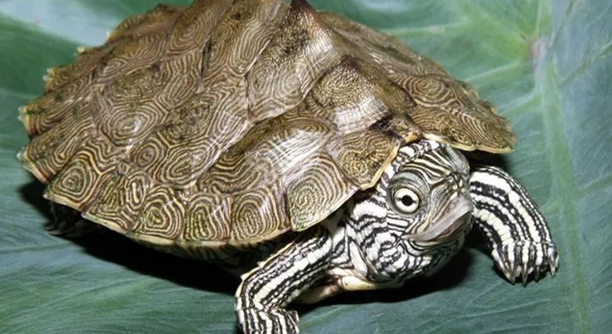
Map turtles are known for their calm and aquatic nature, but they can sometimes develop respiratory infections, just like other pets. If you’re a turtle owner, understanding the signs of these infections is key to keeping your pet healthy and happy.
Respiratory infections in map turtles are common and often caused by bacteria or environmental stress. Symptoms such as wheezing, nasal discharge, and lethargy are typically noticeable, signaling that immediate care is needed.
Recognizing these signs early is crucial for effective treatment. Understanding how to spot respiratory issues can lead to quicker recovery for your turtle and prevent further complications.
Wheezing and Labored Breathing
One of the most noticeable symptoms of a respiratory infection in map turtles is wheezing or labored breathing. When a turtle is sick, it may struggle to take in air properly. You might hear soft wheezing or even raspy sounds when it tries to breathe. If this happens, it’s important to take the issue seriously. Turtles rely heavily on their lungs to get enough oxygen, so when they are struggling to breathe, it can quickly lead to more serious complications if left untreated.
When a turtle shows signs of wheezing, you may also notice it becoming more lethargic. This is because the lack of proper air intake causes tiredness, making them less active. Your turtle may not swim around as much or may appear to be more withdrawn than usual.
If you hear this kind of sound or notice labored breathing in your turtle, it’s vital to act quickly. Respiratory infections can get worse without treatment, which can affect the turtle’s overall health.
Nasal Discharge
Another clear sign of a respiratory infection is nasal discharge. If you see mucus around your turtle’s nose or if it’s constantly wiping its face with its front limbs, there’s a chance it has an infection. This discharge can vary in color, from clear to yellow or green, which indicates the presence of bacteria or even a fungal infection.
The nasal discharge may be accompanied by swelling around the eyes or face, signaling that the infection is affecting more than just the airways. In some cases, the discharge can harden and block the turtle’s nostrils, making it even harder for them to breathe. Keeping an eye on these changes is essential, as untreated discharge can lead to further breathing difficulties or infection spreading.
This symptom requires immediate attention from a vet. If you notice nasal discharge, take action to clean the area and seek professional help to prevent complications.
Swelling in the Eyes or Face
Swelling around the eyes or face can be another sign that your map turtle is dealing with a respiratory infection. This may happen if the infection has spread beyond the lungs and into other areas, causing fluid buildup. If you notice puffiness around the eyes or face, it’s a good idea to consult a vet.
The swelling might make your turtle look different from its usual appearance. In severe cases, the eyes might become crusted or red, and the turtle might be unable to open them fully. This is often a sign that the infection is causing congestion, and the turtle’s immune system is struggling to keep up.
Swelling often means that your turtle’s health is deteriorating and that it needs immediate attention. Left untreated, swelling can lead to more serious complications. Regularly checking your turtle’s face can help you catch this symptom early and prevent further issues from developing.
Loss of Appetite
A map turtle with a respiratory infection might lose its appetite, which can be troubling. A sick turtle will often show little interest in food, making it difficult for them to maintain a healthy diet. You may see your turtle refusing to eat or spending more time resting instead of eating.
This loss of appetite could be due to discomfort or the lack of energy caused by the infection. When a turtle is sick, it may feel weak or too tired to hunt for food or eat its regular meals. This is common during illness but should not be ignored.
If your turtle refuses to eat for several days, it’s important to take action. Without food, your turtle can quickly lose weight and become weaker. A vet can provide guidance on how to encourage eating and help address the infection.
Lethargy and Weakness
Turtles with respiratory infections often experience lethargy and weakness. They may spend much of their time resting at the bottom of their enclosure or may appear to be less active than usual. This lack of energy is a sign that the infection is affecting their overall health.
If your map turtle seems to lack its usual energy or becomes unusually sluggish, it’s time to check for other symptoms of a respiratory infection. Lethargy is commonly linked to difficulty breathing, and your turtle might be too tired to move around or swim. The longer these symptoms persist, the worse your turtle’s condition may become.
Constantly monitor your turtle’s activity levels. Early intervention can make a significant difference in recovery.
Unusual Behavior
Unusual behavior such as hiding or avoiding interaction can also be an indicator of illness in map turtles. A normally social turtle may become more withdrawn, staying in dark corners or hiding under objects. This behavior change often suggests discomfort or illness.
If you observe your turtle hiding more often than usual or avoiding interaction, it’s a signal that something may be wrong. Pay attention to whether other symptoms of a respiratory infection are present, such as nasal discharge or wheezing. These behaviors combined with physical symptoms often point to a health issue that needs to be addressed.
Coughing or Sneezing
Coughing or sneezing in map turtles may occur as a reaction to the infection. The turtle’s body tries to clear the airways, which can result in these actions. This is usually accompanied by other signs, such as wheezing or nasal discharge.
If your turtle exhibits coughing or sneezing, it is important to keep an eye on how frequently it occurs. These actions may be mild at first, but as the infection progresses, they could become more pronounced. The coughing and sneezing are often attempts to expel mucus or other irritants from the respiratory system, indicating that the turtle is actively fighting the infection.
FAQ
What causes respiratory infections in map turtles?
Respiratory infections in map turtles are most commonly caused by bacterial or fungal infections. Poor water quality, low temperatures, and improper humidity can also stress the turtle’s immune system, making it more susceptible to illness. Stress from sudden changes in environment or diet can weaken the turtle’s defenses, leading to infections.
How can I tell if my map turtle has a respiratory infection?
Look for signs like wheezing, nasal discharge, lethargy, loss of appetite, swelling around the face or eyes, coughing, or sneezing. If you notice any of these symptoms, it is likely your turtle is suffering from a respiratory infection. Always monitor your turtle closely if any of these signs appear.
Can I treat a respiratory infection in my map turtle at home?
While some minor respiratory issues might resolve with environmental adjustments like improving water quality or temperature, a serious infection should be addressed by a vet. A veterinarian can prescribe antibiotics or antifungal treatments to target the infection and ensure recovery. Self-treatment without professional guidance can make the condition worse.
How important is water quality for preventing respiratory infections in map turtles?
Water quality plays a huge role in preventing respiratory infections. Dirty or contaminated water can introduce harmful bacteria and fungi that can infect your turtle. Regular water changes, proper filtration, and maintaining the correct temperature and pH levels in the tank are crucial in keeping your turtle healthy and preventing infections.
What temperature should I maintain for my map turtle’s tank?
Map turtles need a warm environment to thrive, with water temperatures ideally between 75°F and 85°F. A basking spot should be around 90°F. Keeping the tank at the right temperature helps boost your turtle’s immune system, making it less prone to infections. Avoid drastic temperature fluctuations, as they can cause stress.
Can stress cause respiratory infections in map turtles?
Yes, stress can weaken your turtle’s immune system, making it more susceptible to infections. Stress can be caused by many factors, such as poor tank conditions, handling the turtle too often, overcrowding, or loud noises. Maintaining a stable and peaceful environment will help prevent stress-related illnesses.
How can I improve my map turtle’s diet to help prevent infections?
A balanced diet is key to keeping your turtle’s immune system strong. Feed your map turtle a variety of foods like leafy greens, commercial turtle pellets, and occasional protein sources such as insects or fish. Ensure that the food is fresh and free from contaminants. A well-rounded diet can improve overall health, making your turtle less vulnerable to infections.
Should I isolate a sick map turtle from other turtles?
Yes, isolating a sick turtle from others is a good idea. Respiratory infections can be contagious, especially in a tank with multiple turtles. Keeping the sick turtle in a separate enclosure can prevent the spread of the infection and allow you to focus on its treatment without interference from other turtles.
How long does it take for a map turtle to recover from a respiratory infection?
Recovery time can vary depending on the severity of the infection and how quickly treatment is administered. Minor cases may take a few days to improve with proper care, while more severe infections might require weeks of treatment. Always follow your vet’s advice for the best chance of recovery.
Are there any preventative measures to avoid respiratory infections in map turtles?
Yes, maintaining a clean tank with the right water temperature, good filtration, and proper basking areas is essential. Reducing stress and ensuring a healthy diet also play an important role. Regular health checks, especially during seasonal changes, can help catch any issues early and prevent respiratory infections.
What should I do if my map turtle refuses to eat due to a respiratory infection?
If your turtle stops eating, it’s essential to consult a vet. Loss of appetite is common with respiratory infections, but a lack of food can weaken your turtle further. Your vet may suggest hand-feeding or provide a special diet to encourage eating. Addressing the infection quickly will also help restore your turtle’s appetite.
Final Thoughts
Respiratory infections in map turtles are a serious concern for pet owners, but they can be managed effectively with early detection and proper care. The symptoms, such as wheezing, nasal discharge, and lethargy, are clear signs that something is wrong. If you notice these symptoms, it’s important to act quickly and get your turtle checked by a veterinarian. Addressing the infection as soon as possible can prevent it from getting worse and causing long-term health issues for your turtle.
Preventing respiratory infections is easier than treating them. Ensuring your turtle’s habitat is clean, with proper water quality, temperature, and humidity, can significantly reduce the risk of infections. Regular water changes, using a good filtration system, and maintaining the right basking spots are essential to keeping your turtle healthy. Stress can also be a major factor in weakening your turtle’s immune system, so minimizing stressors in the environment is crucial. With good care and a stable environment, your turtle’s chances of staying healthy are much higher.
Remember, your map turtle’s health and well-being are in your hands. Keeping a close eye on any changes in behavior or physical appearance will help you catch potential issues early. If your turtle shows signs of a respiratory infection, don’t hesitate to seek professional advice. Taking the right steps quickly can make a big difference in your turtle’s recovery and overall health.

Hello,
If you enjoy the content that we create, please consider saying a "Thank You!" by leaving a tip.
Every little bit helps us continue crafting quality advice that supports the health, happiness, and well-being of pets around the world, for pets of all shapes, sizes, and species.
We really appreciate the kindness and support that you show us!