
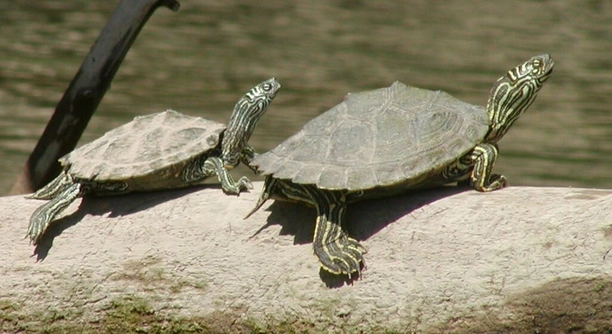
Map turtles require a balanced diet to support their growth, and protein-rich snacks are an essential part of this. Offering them a variety of healthy options ensures they receive all the nutrients they need to thrive.
A diet that includes high-protein snacks is crucial for the growth and overall health of map turtles. Protein aids in muscle development, shell growth, and overall vitality. Including the right snacks helps meet their nutritional needs.
There are several snack options that can benefit your map turtle’s health. These protein-rich treats support their development and contribute to a strong and healthy shell.
Shrimp: A High-Protein Snack Option
Shrimp is a favorite snack for many turtles due to its high protein content. It provides a great source of essential nutrients for map turtles, promoting healthy growth and development. Shrimp can be offered in small amounts and can be a great addition to their regular diet. It’s important to feed shrimp in moderation to avoid overfeeding, as excessive protein can lead to health problems like shell deformities.
Shrimp is rich in protein, which plays a key role in supporting muscle and shell development. The vitamins and minerals in shrimp, such as vitamin B12, calcium, and phosphorus, contribute to the turtle’s overall well-being. These nutrients also help in maintaining a healthy immune system, ensuring your turtle stays strong and active. Offering shrimp as part of a balanced diet can help keep your map turtle in peak condition.
Map turtles naturally enjoy a variety of protein-rich foods, and shrimp is no exception. You can provide either frozen or fresh shrimp, making it a convenient and easily accessible option. However, ensure that you remove any leftover shells to avoid choking hazards. Over time, your map turtle will grow accustomed to shrimp as a regular treat, and it will become one of their favorite protein-packed snacks.
Mealworms: A Convenient Protein Choice
Mealworms are another great protein source for map turtles. They’re easy to store and provide the necessary nutrients for healthy growth.
They are especially useful for young map turtles needing a quick and easy protein boost. Mealworms are rich in fat, which helps to support energy levels and growth during their active periods. A balanced diet including mealworms can help your map turtle thrive. They can be offered live, dried, or frozen, depending on what your turtle prefers.
Crickets: A Protein-Packed Treat
Crickets are an excellent protein source and easy to find. They are a great addition to your turtle’s diet.
Crickets provide a variety of nutrients such as protein, fats, and essential amino acids. They help promote strong shell and muscle growth in map turtles. Offering crickets as a treat also stimulates natural hunting behaviors. This is beneficial for their mental stimulation and physical health, contributing to overall well-being.
Feeding crickets to your map turtle can be a simple and enjoyable way to supplement their diet. You can purchase live, dried, or frozen crickets depending on convenience. Ensure you are feeding properly-sized crickets to avoid any choking hazards.
Earthworms: A Natural Snack
Earthworms are an ideal snack for map turtles. They are naturally high in protein and easy to find.
Earthworms are packed with nutrients that support the growth and vitality of map turtles. Not only are they rich in protein, but they also contain calcium and other essential minerals that help strengthen the turtle’s shell and bones. Their natural composition makes them a great addition to any turtle’s diet. Offering earthworms can also replicate the types of food they would eat in the wild.
Feeding earthworms is simple and effective. You can purchase them at pet stores or collect them from your yard. Make sure the worms are free from pesticides before offering them to your turtle. This natural snack is a healthy and beneficial treat for your pet.
Silkworms: A Nutritious Option
Silkworms are another great source of protein for your map turtle. They are packed with essential nutrients, making them a beneficial treat.
Silkworms are rich in amino acids, protein, and vitamins that support healthy growth in map turtles. Offering them as a snack can contribute to your turtle’s well-being. These worms are easy to digest and provide a great balance of nutrients that help in shell and muscle development.
Tuna: A Rich Protein Source
Tuna is a protein-rich food that can be offered to your map turtle. It provides healthy fats and essential nutrients.
Tuna is a nutritious option for map turtles, as it contains protein, omega-3 fatty acids, and vitamins that aid in shell growth and overall health. However, tuna should be fed in moderation due to its high mercury content. Offering tuna occasionally helps to keep your turtle’s diet varied while ensuring they receive important nutrients. To reduce the risk of mercury build-up, make sure the tuna is thoroughly cleaned and deboned before serving.
Fish: A Healthy Snack Choice
Fish is an excellent protein choice. It contains all the necessary nutrients for your turtle’s health.
FAQ
What are the best protein-rich snacks for map turtles?
The best protein-rich snacks for map turtles include shrimp, mealworms, crickets, earthworms, silkworms, and tuna. These foods are all high in protein and offer essential nutrients that help with growth and shell development. Shrimp and crickets also provide variety, which is key for stimulating natural hunting behavior in your turtle. It’s important to offer these snacks in moderation to avoid overfeeding and ensure a balanced diet.
Can I feed my map turtle live food?
Yes, live food such as crickets and earthworms is an excellent choice for map turtles. Live prey can stimulate hunting instincts and provide mental stimulation, which is beneficial for your turtle’s overall health. Just ensure that any live food you offer is appropriately sized to avoid choking hazards. Also, live food should be gut-loaded (fed nutritious food) to improve its nutritional value.
How often should I feed my map turtle protein-rich snacks?
Protein-rich snacks should be offered to map turtles two to three times a week, depending on their age and size. Juvenile turtles need more protein for growth, while adult turtles require a more balanced diet with a focus on vegetables and aquatic plants. Protein should not be the main food source, but rather a supplement to their overall diet.
Is tuna safe for map turtles?
Tuna is safe for map turtles when offered in moderation. It’s high in protein and omega-3 fatty acids, which support healthy growth. However, tuna contains mercury, so it should only be given occasionally to avoid the risk of mercury poisoning. Always remove bones and skin before feeding it to your turtle.
Can I feed my map turtle fish as a protein source?
Yes, fish is a great source of protein for map turtles. It provides essential nutrients such as protein, vitamins, and omega-3 fatty acids. Fish should be given in moderation, and it’s important to remove any bones or skin before feeding it to your turtle. Offering a variety of fish will help maintain a balanced diet.
Are silkworms a good option for map turtles?
Silkworms are an excellent protein-rich option for map turtles. They are easily digestible and packed with essential nutrients, including protein, amino acids, and vitamins. Offering silkworms can be a great way to add variety to your turtle’s diet while supporting their overall health and growth. Just ensure that they are properly sourced and free of pesticides.
How do I prepare protein-rich snacks for my map turtle?
Protein-rich snacks should be prepared by removing any unnecessary shells, bones, or skin to make them easier for your map turtle to eat. For shrimp, make sure to remove the shell, and for fish, debone it before serving. If you are feeding earthworms, simply rinse them off to remove any dirt. For live food, ensure it is appropriately sized for your turtle to avoid any choking hazards.
Can I feed my map turtle vegetables instead of protein?
Vegetables are an important part of a map turtle’s diet but should not replace protein entirely. Map turtles need a balanced diet that includes both plant and animal-based foods. Vegetables like lettuce, water plants, and flowers provide important vitamins and minerals, but protein is essential for their growth and muscle development. Offer vegetables alongside protein-rich snacks for a balanced diet.
How can I tell if I’m overfeeding my map turtle?
Overfeeding can lead to obesity and health problems in map turtles. Signs of overfeeding include a bloated appearance, reluctance to move, and a loss of interest in eating. To prevent overfeeding, make sure to feed your turtle appropriate portion sizes based on its age and size. Avoid offering protein-rich snacks too frequently and ensure that the majority of their diet consists of vegetables, aquatic plants, and other nutrient-rich foods.
What should I do if my map turtle refuses to eat protein-rich snacks?
If your map turtle refuses to eat protein-rich snacks, it may be due to unfamiliarity or a preference for certain foods. Try offering a variety of protein sources such as shrimp, mealworms, or earthworms. If your turtle continues to refuse food, check for health issues such as shell rot or improper water conditions. Consult a veterinarian if your turtle’s eating habits don’t improve.
Are there any foods I should avoid feeding my map turtle?
Yes, there are several foods that should be avoided. These include processed foods, sugary snacks, and foods high in fat. Avoid feeding your turtle dairy, chocolate, or any human food that isn’t specifically designed for turtles. Additionally, never feed your turtle insects that have been exposed to pesticides or chemicals. Always ensure that the food you offer is safe, fresh, and appropriate for their diet.
What are the signs of a healthy map turtle?
A healthy map turtle will have a bright, smooth shell, clear eyes, and a strong appetite. Its skin should be free of lesions or discoloration, and it should move actively in the water. Healthy map turtles are alert and curious, often responding to their environment and food. Regular feeding, proper water conditions, and a balanced diet contribute to maintaining a healthy turtle.
Can protein-rich snacks affect my turtle’s shell growth?
Yes, protein is essential for shell growth. Protein-rich snacks help support muscle and shell development by providing the necessary building blocks for growth. However, overfeeding protein can lead to an imbalance in the turtle’s diet, affecting overall health. Balance protein intake with other nutrients like calcium to ensure proper shell development.
Final Thoughts
Feeding your map turtle a variety of protein-rich snacks can support their growth and overall health. Protein is crucial for developing strong muscles and a healthy shell. Shrimp, mealworms, crickets, and silkworms are just a few examples of the best protein sources you can offer. These foods provide essential nutrients that help your turtle thrive, especially in its growing years. It’s important to ensure the snacks are properly prepared and served in moderation to avoid overfeeding. Overfeeding protein can lead to an imbalance in their diet, affecting their long-term health.
While protein is a key part of their diet, it should not be the only focus. A well-balanced diet also includes vegetables and aquatic plants, which provide essential vitamins and minerals. Map turtles are omnivores, meaning they require both animal-based and plant-based foods to maintain a healthy diet. By offering a mix of these foods, you can ensure your turtle receives all the nutrients it needs. Remember that their diet should change as they age, with adults requiring less protein and more plant-based foods to maintain a healthy balance.
As you continue caring for your map turtle, it’s important to monitor its health closely. Look for signs of proper growth, such as a smooth, shiny shell and active behavior. If your turtle is not eating protein-rich snacks or seems sluggish, it could be a sign of a health issue or poor water conditions. Always ensure that the food you provide is safe, fresh, and appropriate for their diet. By maintaining a well-balanced diet and providing the right nutrition, your map turtle will have the best chance at a long, healthy life.

Hello,
If you enjoy the content that we create, please consider saying a "Thank You!" by leaving a tip.
Every little bit helps us continue crafting quality advice that supports the health, happiness, and well-being of pets around the world, for pets of all shapes, sizes, and species.
We really appreciate the kindness and support that you show us!