
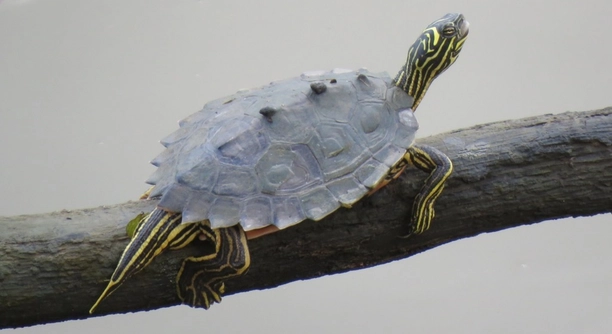
Map turtles are a type of freshwater turtle found in rivers, lakes, and ponds. These turtles are often overlooked but play a vital role in aquatic ecosystems. Understanding their importance can help protect the habitats they thrive in.
Map turtles contribute to maintaining the balance of aquatic ecosystems by controlling populations of small invertebrates and helping with nutrient cycling. Their presence can improve water quality, promote healthy plant life, and support a diverse aquatic environment.
These turtles are integral to aquatic health, and their decline could lead to unforeseen consequences in the environment. Understanding their impact is key to preserving healthy ecosystems for future generations.
The Role of Map Turtles in Aquatic Ecosystems
Map turtles are an essential part of the aquatic food chain. They primarily feed on small aquatic invertebrates, such as insects and mollusks, helping to control these populations. By keeping these species in check, map turtles ensure a balanced ecosystem, preventing any one species from overwhelming the habitat. Additionally, map turtles are known to consume aquatic plants, which further contributes to maintaining the health of water environments. These turtles also play a role in nutrient cycling, as their waste provides important nutrients for plants and microorganisms, which are vital for the growth of healthy ecosystems.
Their role in controlling invertebrate populations is particularly important in the face of rising pollution levels. As more pollutants enter the water, species populations can quickly become unbalanced, making the environment less hospitable to both plants and animals. The presence of map turtles, through their feeding habits, helps to stabilize these populations, ensuring a more resilient ecosystem.
While their primary role is in controlling the ecosystem’s balance, map turtles also contribute indirectly to water quality. Their nesting behavior, which involves digging in sandy areas along riverbanks, helps to aerate the soil. This process allows for better water infiltration and reduces the risk of sedimentation in the water.
Protecting Map Turtles and Their Habitats
The protection of map turtles and their habitats is crucial for preserving the balance of freshwater ecosystems. Conservation efforts focused on their natural habitats help to ensure these turtles can continue playing their vital role. Habitat destruction, pollution, and the illegal pet trade are some of the main threats to map turtles.
Efforts to protect these turtles include creating protected areas where human activity is limited, reducing water pollution, and banning the collection of wild turtles for trade. These measures help to secure environments where map turtles can thrive without external pressures. Additionally, educating local communities about the importance of these turtles can lead to more widespread conservation efforts. By working together, we can help safeguard these remarkable creatures and the aquatic ecosystems they support.
Impact of Map Turtles on Biodiversity
Map turtles help maintain the biodiversity of freshwater ecosystems by controlling species populations. Their feeding habits keep smaller invertebrate and plant species from overgrowing, allowing other organisms to thrive. This creates a more balanced environment where various species can coexist.
Their presence in aquatic habitats ensures that no one species dominates the ecosystem. As they feed on plants and invertebrates, map turtles maintain healthy plant and animal diversity, which is crucial for the stability of the ecosystem. This balance supports various other creatures, from fish to amphibians, which depend on these diverse habitats.
Map turtles also contribute to maintaining a range of habitats within freshwater ecosystems. By feeding on different types of invertebrates and plants, they ensure that these habitats do not become overrun with any particular species. This helps create a varied environment that supports a broad range of life forms, from small fish to insects.
Threats to Map Turtle Populations
Habitat loss is a significant threat to map turtle populations. Urbanization, deforestation, and pollution have led to the destruction of many of the wetlands and rivers these turtles call home. Without proper habitats, map turtles cannot survive or thrive.
Water pollution is another major factor impacting map turtle populations. Contaminants from agricultural runoff, industrial waste, and untreated sewage pollute the water they depend on. This pollution affects their health, food sources, and nesting areas. When water quality decreases, the survival rate of these turtles diminishes, which in turn affects the overall health of the ecosystem. Protecting these turtles means reducing pollution and restoring their natural habitats.
The Importance of Nesting Sites
Map turtles rely on secure, undisturbed nesting sites along riverbanks and shores to lay their eggs. Without safe nesting areas, their populations could suffer. These sites provide the turtles with the necessary conditions to ensure successful reproduction.
Unfortunately, human activities such as construction and recreational use of riverbanks disrupt these critical nesting sites. When turtles can’t find suitable, safe places to nest, their ability to reproduce decreases. Protecting these areas is crucial for maintaining healthy turtle populations. As their habitats continue to shrink, conservation efforts must focus on preserving these vital nesting sites.
Role in Water Quality
Map turtles contribute to water quality through their waste, which provides essential nutrients for aquatic plants. These plants, in turn, support the overall ecosystem by promoting clean water and providing food and shelter for other species.
In a healthy environment, map turtles’ feeding habits play a crucial role in maintaining a balanced system. They feed on algae and small plants, preventing overgrowth that could otherwise hinder the growth of other important aquatic plants. This keeps the water clear and ensures a healthy habitat for both flora and fauna.
Protecting Map Turtles from the Pet Trade
The illegal pet trade is a serious threat to map turtle populations. Turtles are often collected from the wild and sold as exotic pets, leaving behind weakened populations in their natural habitats. Limiting the trade and educating the public is necessary to protect these creatures.
FAQ
What do map turtles eat?
Map turtles primarily feed on small aquatic animals such as insects, worms, mollusks, and crustaceans. They also consume aquatic plants. Their diet varies depending on the species and the available food in their habitat. The diversity of their diet helps maintain the balance of aquatic ecosystems by controlling populations of these species.
Where do map turtles live?
Map turtles are typically found in freshwater environments such as rivers, lakes, ponds, and marshes. They prefer areas with slow-moving water and plenty of aquatic vegetation. Their habitat provides them with food sources and suitable conditions for nesting. They are often located in the southeastern and central United States, although some species can be found in parts of Mexico and Canada.
How do map turtles affect their ecosystems?
Map turtles play a key role in controlling populations of invertebrates, such as snails and insects. By feeding on these organisms, they prevent overpopulation, which could negatively impact the aquatic plants and overall ecosystem. Their presence also helps maintain water quality and supports biodiversity by encouraging the growth of healthy plant life.
What threats do map turtles face?
Map turtles face numerous threats, including habitat loss due to urban development and pollution, especially from agricultural runoff and industrial waste. Climate change also affects their nesting sites and temperature-sensitive reproduction. Furthermore, the illegal pet trade has reduced some species’ populations, leaving them vulnerable to extinction.
How can we protect map turtles?
Protecting map turtles involves conserving their natural habitats, reducing water pollution, and preventing the illegal pet trade. Creating protected areas, enforcing wildlife protection laws, and restoring damaged ecosystems are crucial steps to ensure the turtles’ survival. Public education on the importance of map turtles can also help raise awareness and encourage conservation efforts.
Why are map turtles important for water quality?
Map turtles help improve water quality by feeding on aquatic plants and small animals. Their waste provides essential nutrients that help aquatic plants thrive, contributing to the overall health of the ecosystem. Healthy plant life improves water filtration, removes toxins, and maintains oxygen levels, benefiting all species in the environment.
Can map turtles be kept as pets?
While it is possible to keep map turtles as pets, it is important to consider their specific needs before acquiring one. They require large tanks with water filtration systems to replicate their natural environment. Additionally, it is crucial to ensure that any pet map turtles are sourced legally and ethically, avoiding contributions to the illegal pet trade.
How long do map turtles live?
Map turtles can live up to 30 years in the wild, depending on their species and environmental conditions. However, in captivity, their lifespan can vary, with many living for 15 to 20 years if well cared for. Ensuring they have a proper diet and habitat is essential for their long-term health and well-being.
What is the breeding behavior of map turtles?
Map turtles typically breed in the spring and summer months. Female map turtles dig nests in sandy or muddy riverbanks where they lay between 6 to 12 eggs, depending on the species. The eggs incubate for about two to three months before hatching. Temperature plays a role in determining the sex of the hatchlings, with warmer temperatures often resulting in more females.
Are map turtles endangered?
Some species of map turtles are considered endangered or threatened due to habitat destruction, pollution, and the illegal pet trade. The Mississippi map turtle and the Texas map turtle, for example, are vulnerable to extinction. Conservation efforts are necessary to protect these species and their ecosystems from further damage.
How do map turtles help maintain biodiversity?
Map turtles help maintain biodiversity by controlling the populations of smaller species, such as insects and mollusks, which could otherwise disrupt the balance of the ecosystem. By feeding on these species, they allow other organisms, like plants and larger animals, to thrive. This keeps the ecosystem diverse and stable.
What is the lifespan of a map turtle?
In the wild, map turtles can live for up to 30 years. In captivity, with proper care, they can live between 15 to 25 years. Their longevity depends on factors like habitat conditions, diet, and protection from threats. A healthy environment ensures a longer lifespan and better overall health for these turtles.
What are the nesting habits of map turtles?
Map turtles nest in sandy or muddy areas along riverbanks, where they dig small holes to lay their eggs. The female typically lays 6 to 12 eggs per clutch, which incubate for about two to three months. The young turtles hatch in the fall and make their way to the water. These nesting areas are vital to the survival of map turtles, as they provide a safe environment for the eggs to develop.
Do map turtles migrate?
Map turtles do not migrate long distances, but they may move between different bodies of water depending on the seasons and availability of resources. In the colder months, some map turtles may seek deeper, warmer water to hibernate. They are generally more sedentary, staying within a limited home range in their habitat.
What makes map turtles unique?
Map turtles are known for their distinct, map-like patterns on their shells, which vary in appearance depending on the species. These patterns are not only beautiful but also provide camouflage, helping them blend into their environments and avoid predators. Each species of map turtle has its own unique features, making them an interesting and diverse group of turtles.
Final Thoughts
Map turtles play an essential role in maintaining healthy aquatic ecosystems. They contribute to water quality by controlling the populations of small aquatic species, such as insects and mollusks. Their presence ensures that aquatic plants thrive, which helps keep the water clean and supports biodiversity. Without map turtles, the balance of these ecosystems could be disrupted, leading to negative impacts on other species that rely on clean water and healthy plant life.
Despite their importance, map turtles face significant threats from habitat destruction, pollution, and the illegal pet trade. Their natural environments, such as rivers and ponds, are being altered by human activity, and pollution from agricultural runoff harms their habitat and food sources. Additionally, the capture and sale of map turtles as pets are contributing to population decline. This makes it crucial for both individuals and communities to take action to protect these creatures and their habitats.
Conservation efforts are essential for the survival of map turtles and the health of aquatic ecosystems. Protecting nesting sites, reducing water pollution, and creating wildlife conservation areas are important steps toward ensuring their future. Public awareness is also a key factor, as it encourages responsible practices and reduces the demand for illegal pet trade. By understanding the role of map turtles in the environment and taking action to protect them, we can help maintain the balance of these vital ecosystems for future generations.

Hello,
If you enjoy the content that we create, please consider saying a "Thank You!" by leaving a tip.
Every little bit helps us continue crafting quality advice that supports the health, happiness, and well-being of pets around the world, for pets of all shapes, sizes, and species.
We really appreciate the kindness and support that you show us!