
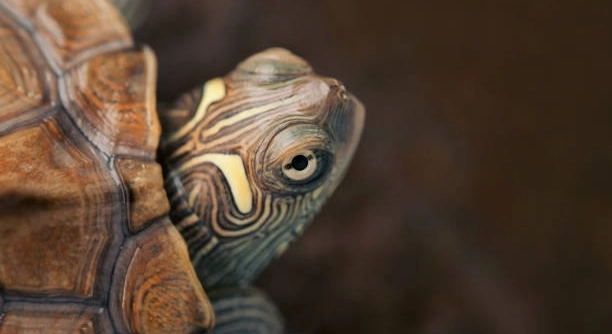
Map turtles can make wonderful pets, but they require careful attention, especially when housed together. Keeping multiple map turtles in one enclosure comes with its own challenges and rewards. Proper care will ensure they live happily and healthily.
The best practices for housing multiple map turtles together involve providing ample space, maintaining clean water, offering appropriate basking spots, and monitoring their health. This ensures that the turtles can coexist peacefully while meeting their needs for growth and comfort.
These strategies will help maintain a harmonious environment for your map turtles, reducing stress and promoting their overall well-being. Continue reading for essential tips to create the best setup for them.
Providing Enough Space for Each Turtle
Map turtles need a lot of room to move around. When you house more than one, it’s important to make sure they have plenty of space to avoid territorial issues. If they feel cramped, it can cause stress, leading to unhealthy behavior like fighting. A larger tank will reduce competition for basking spots and swimming areas.
When selecting a tank, aim for at least 10 gallons of water per turtle. This provides enough space for them to roam freely. A bigger tank is better, as it gives the turtles more space to adjust their territory.
It’s crucial to provide a varied environment within the tank. Include different areas for swimming, basking, and hiding. This will help turtles feel safe, which reduces stress. By giving them room to explore, you’re creating a better habitat where they can thrive and avoid any territorial disputes.
Clean Water is Essential for a Healthy Environment
Water quality is a major factor in keeping multiple map turtles together. Dirty water can lead to health problems and stress.
Frequent water changes and a good filtration system are vital for maintaining a clean tank. Keep the water temperature stable, ideally between 75°F and 80°F, to promote healthy growth and digestion. Regular cleaning will prevent algae buildup and other contaminants.
Offering Adequate Basking Spots
Each turtle needs a place to bask where they can dry off and absorb heat. It’s important to provide enough basking spots so they don’t fight over space.
Place flat rocks or a basking platform in the tank to create multiple areas for turtles to rest. A heat lamp should be positioned above the basking spot to maintain a temperature between 85°F and 90°F. This allows them to regulate their body temperature, promoting better digestion and overall health.
Ensure that the basking area is easily accessible for all turtles. If one turtle can’t reach the spot or feels crowded, it can lead to stress and aggression. Multiple basking spots allow all of them to relax and soak in the warmth, contributing to a peaceful environment.
Monitoring Health and Behavior
Observing your turtles regularly is key to ensuring they’re getting along and staying healthy. If any turtle shows signs of illness or aggression, it’s essential to act quickly.
Pay attention to their eating habits, movement, and shell condition. If you notice one is becoming more isolated, not eating, or showing physical signs of distress, it may need a check-up. Also, aggression like biting or chasing can indicate stress from overcrowding or other issues.
Providing proper nutrition and regular veterinary check-ups are also important to ensure they stay healthy. By staying observant, you can address potential problems before they escalate, keeping the group peaceful and healthy.
Proper Feeding Practices
Feeding map turtles together requires careful attention to ensure each turtle gets enough food. Overfeeding or underfeeding can lead to competition and health issues.
Offer a balanced diet of high-quality turtle pellets, leafy greens, and occasional protein sources. It’s important to provide food in different areas of the tank so each turtle has equal access.
Feeding them at the same time can reduce the chances of competition for food. Avoid leaving uneaten food in the tank, as it can pollute the water. Stick to a regular feeding schedule and adjust portions based on the turtles’ needs.
Handling Territorial Issues
Territorial disputes are common when housing multiple map turtles together. If one turtle feels its space is being invaded, it might act aggressively.
To minimize these issues, make sure there is enough space for each turtle to claim its own territory. If aggression occurs, separate the turtles temporarily and allow them to adjust before reintroducing them to the same space. Sometimes rearranging the tank can also help by creating new boundaries.
Temperature and Lighting Control
Maintaining proper temperature and lighting is essential for map turtles. Ensure the tank has both basking and aquatic areas with appropriate heating.
A UVB light source will help your turtles absorb essential vitamins. For basking, a heat lamp should be placed over the platform to keep the temperature between 85°F and 90°F. The water temperature should be kept around 75°F to 80°F for optimal health.
FAQ
How many map turtles can live together?
The number of map turtles that can live together depends on the size of the tank. Ideally, you should provide at least 10 gallons of water per turtle. The more space you offer, the better the turtles will get along. Keep in mind that larger tanks reduce the chances of territorial disputes. If your tank is too small, the turtles may start fighting for space and resources, which can cause stress.
Do map turtles fight when housed together?
Map turtles can fight if they feel crowded or threatened. To avoid this, make sure there are plenty of basking spots and hiding places. If one turtle feels like it’s being pushed out of a good spot, it may become aggressive. By giving each turtle its own space to relax and bask, you can reduce the chances of conflict. Regularly monitor their behavior and intervene if necessary.
Can I keep male and female map turtles together?
Yes, male and female map turtles can live together. However, it’s important to ensure the tank is large enough and that there are enough resources for both. Males can sometimes become more aggressive, especially during breeding season, so providing extra space and hiding spots can help reduce stress. If you notice any signs of aggression, separate the turtles temporarily until the issue resolves.
What type of tank setup is best for multiple map turtles?
A large tank with a balanced setup works best for multiple map turtles. Include both swimming and basking areas. The swimming space should be large enough for all the turtles to move around comfortably. A basking platform with access to a heat lamp is essential for each turtle to dry off and absorb heat. Keep the water clean and maintain proper temperature and lighting for their health.
Can I put other types of turtles with my map turtles?
It’s possible to house other types of turtles with map turtles, but it depends on their species and size. Some turtles may be too aggressive, while others may not compete well for resources. For example, larger species may bully the map turtles, while smaller ones might not get enough food. Always research the species you’re considering before mixing them with map turtles. Separate them if aggression or competition becomes an issue.
How often should I clean the tank when housing multiple map turtles?
Tank maintenance is critical when housing multiple map turtles. You should clean the tank regularly to prevent the buildup of waste, which can pollute the water. At least once a week, change about 25-30% of the water. If you have a good filtration system, you may need fewer water changes. The tank should also be scrubbed to remove algae and debris. Keeping the water clean is essential for the turtles’ health.
What should I feed multiple map turtles?
Feed your map turtles a balanced diet that includes high-quality turtle pellets, leafy greens, and occasional protein such as worms, insects, or small fish. Make sure each turtle gets enough food by spreading the meals across different parts of the tank. Avoid overfeeding, as it can lead to poor water quality. Feeding the turtles at the same time can help reduce competition for food, but always make sure there’s enough for each one.
How can I prevent diseases when housing multiple map turtles?
To prevent diseases, keep the tank clean and maintain proper water quality. Regular water changes, proper filtration, and a clean basking area are key to preventing bacterial or fungal infections. If one of the turtles shows signs of illness, such as lethargy, loss of appetite, or unusual behavior, isolate it from the others and seek veterinary care. Regularly check the turtles for any signs of shell rot or respiratory issues and address problems as soon as they arise.
Should I provide hiding spots in the tank?
Yes, hiding spots are important for map turtles. They need places where they can retreat if they feel stressed or threatened. Rocks, aquatic plants, and commercially available hiding spots can provide them with safe spaces. These areas allow turtles to escape from potential conflict and relax. A well-structured tank with hiding places promotes a calm and peaceful environment for all the turtles.
What temperature should I maintain in the tank for multiple map turtles?
The water temperature should be kept between 75°F and 80°F for map turtles. This range promotes healthy digestion and overall well-being. For the basking area, the temperature should be around 85°F to 90°F. These conditions allow the turtles to regulate their body temperature, ensuring they stay healthy and active. Use a reliable thermometer to monitor the temperature, and adjust as necessary.
Can map turtles share a basking area?
Yes, map turtles can share a basking area, but it’s important to provide enough space for each one. A crowded basking spot can lead to competition and stress. Ideally, the basking platform should be large enough for all the turtles to comfortably fit. If you notice any signs of aggression or one turtle not getting a chance to bask, you may need to add more space or rearrange the tank to reduce tension.
What should I do if my map turtles are not getting along?
If your map turtles aren’t getting along, it’s essential to address the issue quickly. Start by providing more space in the tank, including separate basking spots and hiding places. Monitor their behavior and remove any overly aggressive turtles if necessary. Sometimes, rearranging the tank or adding more resources can help calm them down. If aggression continues, you may need to house the turtles separately to prevent injuries or stress.
Final Thoughts
Housing multiple map turtles together can be a rewarding experience, but it comes with its own set of challenges. With the right setup, enough space, and careful attention, you can provide a safe and comfortable environment for your turtles. It’s essential to keep an eye on their behavior and make adjustments when necessary. Monitoring things like food distribution, basking spots, and overall tank cleanliness will help prevent stress and conflict among the turtles. By maintaining a balanced environment, the turtles can live together peacefully and thrive.
One of the most important things to remember when keeping multiple map turtles is the importance of space. Each turtle needs enough room to swim, bask, and establish its own territory. A crowded tank can lead to territorial disputes and aggressive behavior, so it’s always better to have a larger tank than a smaller one. Providing multiple basking areas and hiding spots is key to reducing stress and allowing each turtle to feel secure. This is especially important when you have more than one turtle sharing the same space.
Lastly, keeping your turtles healthy is crucial for their well-being. Make sure to provide a balanced diet, maintain proper water quality, and keep the tank clean. If you notice any signs of illness or aggression, address them immediately. Regular monitoring, along with a few simple precautions, will go a long way in ensuring your map turtles live happy, healthy lives together. By following these basic guidelines, you’ll create a harmonious environment where your turtles can grow, interact, and enjoy their time in the tank.

Hello,
If you enjoy the content that we create, please consider saying a "Thank You!" by leaving a tip.
Every little bit helps us continue crafting quality advice that supports the health, happiness, and well-being of pets around the world, for pets of all shapes, sizes, and species.
We really appreciate the kindness and support that you show us!