
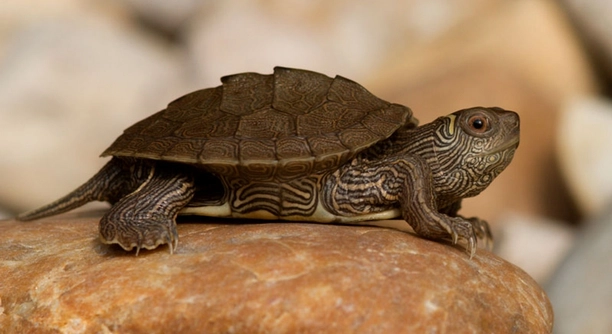
Map turtles are fascinating pets, and observing their behaviors can be both entertaining and puzzling. One common issue that owners may notice is their turtle scratching the walls of its tank. This behavior can be concerning, but it’s often linked to various factors.
The most common reason for a map turtle scratching its tank wall is territorial or stress-related behavior. Turtles may scratch to mark territory or to attempt escape if the tank feels too small or inadequately enriched. This is often a sign of discomfort.
Understanding the underlying reasons for this scratching can help improve your turtle’s well-being. Proper tank conditions and a peaceful environment will reduce stress and lead to a more content pet.
Understanding Map Turtle Behavior
Map turtles scratching the walls of their tank could simply be a form of communication or an attempt to engage with their surroundings. It’s essential to assess your turtle’s environment. A lack of stimulation or limited space might lead to behaviors like scratching as the turtle searches for more space or interaction. Map turtles are naturally curious, and when their habitat doesn’t meet their needs, they may express their frustration physically.
Tank size plays a significant role in your turtle’s behavior. If the enclosure is too small, your turtle may feel cramped and resort to scratching. Additionally, map turtles are active creatures that require both land and water areas to thrive. Without these areas, they can become restless, leading to scratching as a form of signaling discomfort. Without enough room to roam or explore, your turtle may use the walls to push against, even in search of something better.
Providing ample space and an enriching environment will keep your turtle healthy and content. Giving them room to move around and offering different textures and hiding places will allow them to express natural behaviors, reducing unwanted actions like wall scratching.
Stress and Anxiety in Map Turtles
If your turtle is stressed, it might scratch more frequently. Stress can stem from overcrowding, poor water quality, or sudden changes in temperature. Addressing these factors can improve your turtle’s mood and reduce scratching.
Turtles rely on a stable, calm environment for overall well-being. A clean tank with the right water conditions, including proper filtration and temperature control, is essential. Stressful factors, like loud noises or sudden movements near the tank, should also be minimized.
Tank Size and Space
A small tank can cause your turtle to feel trapped, leading to scratching. Turtles need plenty of space to swim and bask, or they may show signs of stress. Ensure your tank size is appropriate to accommodate your turtle’s growth.
Map turtles are naturally active and need room to move around. A cramped tank limits their ability to explore, which might trigger behaviors like scratching. If the tank is too small, your turtle may feel confined and try to escape. Ensuring the enclosure offers sufficient space for swimming and basking is essential for their physical and mental health.
When selecting a tank, aim for a size that suits your turtle’s current and future growth. A larger tank gives them more freedom and can prevent stress. If the tank is too small, consider upgrading it to allow your turtle to feel more comfortable and reduce signs of scratching.
Habitat Enrichment
Lack of enrichment can make a map turtle scratch as it searches for stimulation. Adding rocks, logs, and plants will give your turtle more ways to engage and feel safe. These additions help create a more natural environment.
Map turtles are curious creatures that thrive in environments that offer a variety of textures and hiding spots. Including decorations, such as floating logs, rocks, or aquatic plants, will keep them engaged and reduce stress. When their habitat mimics their natural surroundings, turtles feel more at ease and less likely to scratch. It’s also important to keep the water clean and offer different basking options for them.
Not only does habitat enrichment reduce unwanted behavior, but it also provides your turtle with opportunities to exercise. Keeping them physically active through a well-decorated tank can prevent the frustration that leads to excessive scratching. A well-balanced environment is key for a happy and healthy turtle.
Water Quality
Poor water quality can lead to irritation, causing your turtle to scratch. Ensure proper filtration and water changes to maintain clean, healthy water. This will help prevent stress and discomfort.
Map turtles are sensitive to water conditions, and poor water quality can cause skin or eye irritation. Using a reliable filter will keep the water clean and free from toxins, preventing your turtle from scratching excessively. Regular water changes are also necessary to maintain a healthy environment.
Temperature and Lighting
Map turtles require a specific temperature range for both water and basking areas. Incorrect temperatures can cause stress, leading to scratching. Maintain appropriate heating and lighting in the tank to meet their needs.
Proper lighting and temperature regulate your turtle’s daily activities and health. For basking, a heat lamp should provide warmth between 85–90°F. The water temperature should stay between 75–80°F. Inadequate lighting can also cause discomfort and stress, so ensure your turtle has access to UVB light for proper calcium absorption and overall well-being.
FAQ
Why does my map turtle scratch the tank walls?
Scratching the tank walls can be a sign of stress, territorial behavior, or a search for more space. Map turtles are naturally active and curious, so if their tank feels too small or lacks enrichment, they may scratch to express their discomfort or to try to escape. This behavior is common if the tank setup does not meet their needs, such as insufficient hiding spots or a lack of space to swim.
Can a small tank cause my turtle to scratch the walls?
Yes, a small tank can cause your turtle to feel cramped, leading to scratching. Map turtles need enough room to swim and bask comfortably. If the tank is too small, they may become frustrated and try to scratch or climb the walls. Ensure the tank is large enough for your turtle to move around freely.
How can I stop my turtle from scratching the walls?
To stop your turtle from scratching the walls, start by increasing the tank size if needed. Provide a larger area for swimming and basking. Add enrichment items such as rocks, logs, and aquatic plants to encourage exploration and reduce stress. Regular maintenance of water quality and temperature is also essential to keep your turtle comfortable.
What size tank does a map turtle need?
A map turtle needs a tank that provides enough space for both swimming and basking. For an adult map turtle, a tank should be at least 75–100 gallons. This will give them room to swim, dive, and explore their environment. As they grow, the size of the tank should increase accordingly.
How often should I clean my map turtle’s tank?
You should clean your map turtle’s tank regularly to maintain water quality. Perform partial water changes of 20–30% every week. Clean the substrate and decorations monthly. A good filtration system will help reduce the frequency of full tank cleanings, but it’s still important to check for any signs of poor water conditions.
Why does my turtle scratch at the water surface?
Scratching at the water surface can indicate that your turtle is trying to get out or is searching for more space. It may also be a sign of discomfort due to water quality, temperature, or inadequate lighting. Ensuring the right conditions in the tank can reduce this behavior.
Can I use a smaller tank for a baby map turtle?
A smaller tank can be suitable for a baby map turtle, but it’s important to upgrade the tank size as your turtle grows. Baby map turtles can live in a 30–40 gallon tank, but this will need to be replaced with a larger tank once they reach adulthood. A spacious environment is crucial for their health and development.
What kind of filter is best for a map turtle tank?
For a map turtle tank, choose a filter designed to handle the high waste load produced by turtles. A powerful canister filter or a hang-on-back filter is recommended for effective filtration. The filter should provide biological, mechanical, and chemical filtration to maintain water clarity and quality.
How can I tell if my turtle is stressed?
Signs of stress in a turtle include excessive scratching, hiding, lack of appetite, and abnormal behavior such as swimming in circles. Stress can be caused by poor tank conditions, improper water temperature, or inadequate space. Monitoring and adjusting the tank setup can help relieve stress.
Do map turtles need UVB lighting?
Yes, map turtles need UVB lighting to maintain proper calcium metabolism and overall health. UVB light helps them synthesize vitamin D3, which is necessary for calcium absorption. Without proper UVB lighting, map turtles can develop shell deformities or other health issues. A UVB light should be provided for about 10–12 hours daily.
What is the ideal water temperature for a map turtle?
Map turtles thrive in water temperatures between 75–80°F (24–27°C). A reliable aquarium heater can help maintain the correct temperature. It’s important to check the temperature regularly to ensure it remains consistent, as extreme fluctuations can cause stress and health problems for your turtle.
How do I provide enough basking space for my map turtle?
To provide adequate basking space, include a dry area in the tank where your turtle can fully emerge from the water. A basking platform or dock should be large enough for your turtle to rest comfortably and soak up UVB light. The basking area should be easily accessible and placed under a heat lamp.
Why is my turtle scratching but not trying to escape?
If your turtle is scratching but not trying to escape, it may be signaling frustration or boredom. Scratching can be a way for turtles to express their need for stimulation or a more engaging environment. Adding enrichment items like plants, rocks, or logs can reduce this behavior.
Should I worry if my turtle scratches the glass?
Occasional scratching of the glass is usually not a major concern, but persistent scratching may indicate an issue with the tank setup. It could be a sign of stress, inadequate space, or poor water conditions. Addressing these factors can help prevent excessive scratching.
How often should I change the water in a turtle tank?
Changing the water in your turtle’s tank should be done regularly to keep the environment healthy. A 20–30% water change every week is ideal. This helps maintain clean water, reduce toxins, and improve the overall health of your turtle. Regular water testing can help you monitor water quality.
Can I put my map turtle in a tank with fish?
It is generally not recommended to house map turtles with fish, as turtles are often predatory by nature and may view smaller fish as food. Additionally, turtles produce waste that can negatively affect water quality, which could harm the fish. It’s best to keep them in separate tanks.
Why does my turtle scratch its shell?
Turtles may scratch their shells to shed old skin or algae buildup. However, if the scratching appears excessive or if your turtle seems to be in distress, it could be a sign of a skin irritation or other health issue. Regular shell cleaning and proper water conditions can help.
Final Thoughts
Understanding why your map turtle scratches its tank walls is key to addressing the behavior. This common action can be caused by stress, poor water quality, or even a lack of space. Turtles are naturally active creatures, and when they don’t have enough room to move around, they may resort to scratching. This behavior is a way for them to express discomfort or frustration. Ensuring that your turtle has a large enough tank and the proper environmental conditions is essential to keeping them happy and healthy. By providing ample space, the right water conditions, and regular maintenance, you can reduce the likelihood of scratching behavior.
Water quality plays a crucial role in your turtle’s overall well-being. Dirty water can cause skin or eye irritation, which may lead to excessive scratching. Regular water changes and using a good filtration system are necessary for maintaining a clean and healthy environment. It’s also important to monitor the water temperature and lighting. Map turtles need specific temperatures to thrive, and proper lighting helps them stay active and healthy. UVB light is essential for their calcium absorption, so make sure your turtle has access to the right light sources to keep their bones strong and their shells healthy.
If your map turtle continues to scratch despite meeting all of its basic needs, it could be a sign that something else is wrong. Consider observing your turtle for any other signs of stress or discomfort, such as loss of appetite, hiding more than usual, or abnormal swimming behavior. In such cases, it may be helpful to consult with a veterinarian who specializes in reptiles to rule out any health concerns. By carefully monitoring your turtle’s environment and behavior, you can ensure that it stays happy and healthy for years to come.

Hello,
If you enjoy the content that we create, please consider saying a "Thank You!" by leaving a tip.
Every little bit helps us continue crafting quality advice that supports the health, happiness, and well-being of pets around the world, for pets of all shapes, sizes, and species.
We really appreciate the kindness and support that you show us!