
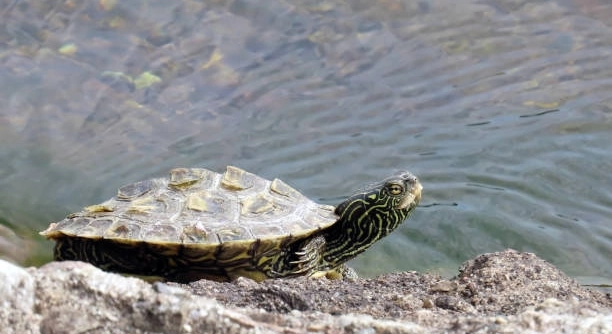
Map turtle hatchlings are fascinating but can face challenges as they adjust to swimming. These tiny creatures need the right environment and conditions to thrive in their new aquatic life. Struggling to swim is a common concern.
The primary cause of swimming struggles in map turtle hatchlings is improper water temperature or inadequate water quality. Water that is too cold can cause hatchlings to become sluggish, while dirty water may affect their buoyancy and overall health.
Understanding these factors will help you address the issue and improve the well-being of your map turtle hatchlings.
Why Water Temperature Matters for Map Turtle Hatchlings
Map turtle hatchlings rely on the warmth of their environment to thrive. When water is too cold, hatchlings can become weak and lethargic. As cold-blooded creatures, they depend on external temperatures to regulate their body heat. The ideal water temperature for hatchlings is between 75°F and 80°F. Anything outside of this range may cause them to struggle with swimming. Hatchlings may float or sink when their muscles and organs aren’t functioning at optimal efficiency. To keep your hatchlings healthy, invest in a reliable water heater that keeps the tank within the ideal range. Regularly check the temperature to ensure consistency.
Water temperature plays a critical role in your hatchlings’ swimming ability and overall health. A heater can help you maintain the right warmth in the tank.
If your hatchlings are still struggling despite proper temperature regulation, consider other factors like water quality and tank size. Both these elements significantly affect your turtle’s swimming abilities and health.
The Importance of Clean Water for Map Turtle Hatchlings
Clean water is essential for hatchlings. Dirty water can cause infections, interfere with their buoyancy, and affect their swimming. Regular water changes and using a proper filtration system can prevent these issues.
Water quality affects not only the health of the hatchlings but also their ability to swim properly. Poor water conditions can lead to sluggish behavior and an inability to stay afloat. Make sure the water is free from harmful chemicals, bacteria, and debris by cleaning it regularly. Test the water parameters, such as pH and ammonia levels, to keep things in balance.
Filtration is a key part of maintaining clean water. A strong filter removes waste and ensures the hatchlings can swim without obstruction. Be sure the filter is rated for the size of the tank. Regular maintenance will keep the water clear and safe, allowing your hatchlings to thrive.
Water Depth and Space for Swimming
Water depth matters for hatchlings. Too shallow, and they may have difficulty swimming; too deep, and they may struggle to stay afloat.
Hatchlings need enough space to move freely without feeling confined. The tank should allow them to swim comfortably in the water, with enough depth for them to practice their swimming skills. Too shallow water can cause stress and limit their movement, making it harder for them to develop proper swimming techniques. On the other hand, water that is too deep can overwhelm them, especially if they’re still adjusting.
Consider using a tank with a depth that matches the size of the hatchlings, gradually increasing the depth as they grow. A few inches of depth in the beginning can help them build confidence and improve their swimming.
The Role of Diet in Swimming Ability
The right diet is vital for healthy, active hatchlings. A balanced diet ensures proper growth and energy, which in turn helps them swim effectively.
A lack of nutrients can result in weak muscles and hinder their swimming ability. High-quality turtle pellets, supplemented with occasional live food like worms or shrimp, will support their overall health.
Dietary deficiencies can also impact buoyancy. Hatchlings need enough calcium for strong bones and a well-functioning body, which aids in their ability to swim. Providing a variety of foods will help support their health and development.
Tank Lighting and Its Effects on Hatchlings
Proper lighting mimics the natural environment for hatchlings. It encourages them to be active and helps regulate their internal clocks.
Without proper lighting, map turtle hatchlings may become lethargic and struggle to swim. UVB lighting is essential for their health, as it helps them absorb calcium and maintain strong bones. It also promotes natural behavior, encouraging hatchlings to swim and explore. Ensure the lighting is not too harsh or too dim.
A consistent light cycle, with 10–12 hours of light followed by darkness, supports your hatchlings’ natural rhythm, ensuring they remain active and healthy.
FAQ
Why are my map turtle hatchlings not swimming much?
Map turtle hatchlings may not swim much if the water temperature is too low or too high. Cold water can cause them to become sluggish, while warm water can overheat them. Ensure the water is between 75°F and 80°F. If the water quality is poor, they may also struggle to swim. Make sure the water is clean and the filtration system is working properly. Additionally, hatchlings that are stressed or adjusting to their new environment may exhibit reduced swimming behavior. Make sure the tank is set up correctly, and avoid overcrowding.
Can dirty water make my hatchlings struggle to swim?
Yes, dirty water can cause your hatchlings to struggle. Poor water quality affects their buoyancy and overall health, leading to difficulties swimming. Dirty water can also harbor bacteria and toxins that weaken the hatchlings. Regular water changes and a proper filtration system can help keep the water clean and safe. Test the water parameters, like pH and ammonia levels, to ensure the environment is healthy for your turtles.
How often should I clean the tank for hatchlings?
The tank should be cleaned at least once a week, though more frequent cleanings may be necessary if there is visible debris or excess waste. It’s important to change about 25–50% of the water during each cleaning to maintain a healthy environment. In addition to water changes, the substrate and decorations should also be cleaned. Make sure to remove any uneaten food, as it can decay and pollute the water.
Can the size of the tank affect their ability to swim?
Yes, the size of the tank can impact your hatchlings’ swimming ability. A tank that is too small can limit their movement and make it harder for them to swim freely. Hatchlings need space to develop their muscles and practice swimming. On the other hand, a tank that is too large can make it difficult for them to adjust. A tank with a minimum size of 20 gallons is recommended for hatchlings, and the size should be increased as they grow.
How can I tell if my hatchlings are stressed?
Stress in hatchlings can show in several ways, such as reduced swimming, hiding, or being lethargic. They may also stop eating or appear unusually skittish when approached. Stress can be caused by improper water conditions, overcrowding, or environmental changes. If you notice these behaviors, assess the tank conditions and make adjustments as needed. Ensuring the proper water temperature, quality, and tank size can reduce stress in hatchlings.
What do I do if my hatchlings are floating too much?
If your hatchlings are floating more than usual, it could be a sign of improper water temperature, poor water quality, or a lack of calcium. Floating can also indicate buoyancy problems related to poor health or excessive gas in the gut. Check the water temperature to ensure it’s within the ideal range, and make sure the water is clean. A diet that includes calcium-rich foods, such as cuttlebone, can help improve their health and prevent floating.
Are there any health issues that could cause swimming difficulties?
Yes, health issues can affect swimming. If your hatchlings have a respiratory infection or shell problems, it may cause them to swim poorly or be more sluggish. Shell deformities, improper growth, or parasites can also lead to swimming difficulties. It’s important to observe your hatchlings closely for any signs of illness, such as a lack of appetite, swelling, or unusual behavior. If you suspect a health issue, consult a vet familiar with reptiles.
What type of food should I feed my hatchlings to improve their swimming?
Feeding your hatchlings a varied and nutritious diet can support their overall health and swimming ability. High-quality turtle pellets, which are rich in protein and other essential nutrients, should be their main food. Additionally, you can offer live foods like earthworms, mealworms, and small shrimp. These foods provide the necessary vitamins and minerals to keep them strong and healthy. A calcium supplement, such as cuttlebone or calcium powder, is also crucial for their shell and bone development, which helps them swim better.
How does the lighting affect my hatchlings’ swimming?
Lighting plays a significant role in the health and activity level of your hatchlings. UVB light helps them absorb calcium and supports their overall well-being. Without adequate UVB lighting, hatchlings may become lethargic and have trouble swimming. Ensure the lighting is on for about 10–12 hours per day to mimic natural light cycles. Too much exposure to heat from the light can also cause stress, so make sure the light is placed appropriately to avoid overheating.
Can I use tap water for my hatchlings?
Tap water can be used for hatchlings, but it must be treated first. Tap water often contains chlorine, chloramine, or other chemicals that can harm your turtles. Use a water conditioner to neutralize these substances before adding water to the tank. You should also test the water’s pH and hardness levels to ensure they fall within the proper range for map turtles. If tap water quality is poor or inconsistent, you may want to use bottled or distilled water instead.
What should I do if my hatchlings are not eating?
If your hatchlings aren’t eating, it could be a sign of water temperature issues, stress, or health problems. First, check the water temperature to ensure it’s at the ideal range. If the temperature is fine, observe the environment for any stress factors, like overcrowding or tank mates. If they continue to refuse food, consider offering a variety of foods to stimulate their appetite, such as live worms or shrimp. If the problem persists, a vet visit may be necessary to rule out health issues.
Final Thoughts
Map turtle hatchlings can face a variety of challenges when it comes to swimming, and it’s important to understand what could be affecting their ability to move in the water. Environmental factors, such as water temperature, water quality, and tank size, can all play a role in how active and healthy your hatchlings are. Additionally, a proper diet, adequate lighting, and regular tank maintenance are key to ensuring their well-being. When all these factors are balanced, your hatchlings are more likely to thrive and swim confidently.
If you notice that your hatchlings are struggling to swim, it’s essential to address these issues as soon as possible. Assess the tank setup, check water parameters, and adjust lighting as needed. Providing a diverse and nutritious diet, along with supplements like calcium, will help keep their bodies strong and support their swimming ability. Regular water changes and a clean environment also help prevent any health issues that might interfere with their swimming. Sometimes, a little adjustment in their habitat or diet can make a significant difference in their health and swimming ability.
In conclusion, taking the time to maintain proper tank conditions and care for your hatchlings can ensure they have the best chance of growing into healthy, active turtles. Be mindful of their environment, diet, and lighting, and monitor their health regularly. With the right attention and care, your map turtle hatchlings should thrive and enjoy swimming just as nature intended.

Hello,
If you enjoy the content that we create, please consider saying a "Thank You!" by leaving a tip.
Every little bit helps us continue crafting quality advice that supports the health, happiness, and well-being of pets around the world, for pets of all shapes, sizes, and species.
We really appreciate the kindness and support that you show us!