
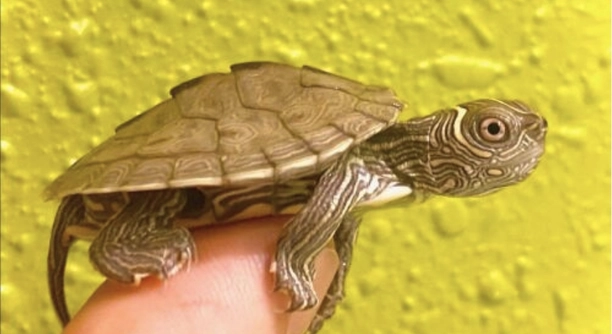
Map turtles are fascinating creatures that stand out in the world of reptiles. With unique characteristics and behavior, they often draw attention from turtle enthusiasts and nature lovers alike. These turtles offer more than meets the eye.
Map turtles have distinct features that separate them from other turtle species. Their unique patterns on the shell and skin, combined with their semi-aquatic nature, make them easily recognizable. Their specific habitat preferences and diet also contribute to their individuality.
From their striking markings to their habitat preferences, map turtles are truly special. Understanding what makes them different can help you appreciate these remarkable creatures even more.
Unique Shell Patterns and Markings
One of the most noticeable traits of map turtles is their unique shell pattern. Unlike many other turtles, map turtles have intricate designs resembling topographic maps, which is where they get their name. These patterns are not just for show; they help camouflage the turtles in their natural habitat. The markings can vary between species, but they all share a distinct, textured appearance that makes them stand out. The designs on their carapace and plastron offer excellent protection by blending them into the environment, making it harder for predators to spot them.
The markings on their skin also contribute to their individuality. Map turtles often have yellow or light-colored lines running across their faces and limbs. These lines add to their striking appearance and provide additional camouflage in their aquatic habitats.
Their shell markings are more than just attractive; they serve as vital protection. The complexity of these patterns is an evolutionary adaptation, making them harder to detect in their environment. Whether basking on rocks or swimming, their unique look allows them to blend in seamlessly with their surroundings.
Semi-Aquatic Lifestyle
Map turtles are semi-aquatic, meaning they spend time both in the water and on land. They prefer habitats with slow-moving rivers, lakes, and marshes, where they can bask in the sun and swim for food.
Their love for water makes them great swimmers, but they still rely on dry areas to bask and regulate their body temperature. This dual lifestyle is essential for their well-being. On land, they rest on logs or rocks, soaking up sunlight, which is important for their health.
In the water, map turtles are agile hunters, feeding on small fish, insects, and plants. Their strong swimming ability helps them navigate various water environments, making them skilled predators. Their semi-aquatic nature allows them to thrive in a variety of habitats, adapting to both aquatic and terrestrial environments.
Habitat Preferences
Map turtles are particular about their habitat. They favor slow-moving waters like rivers, lakes, and marshes, where they can easily find food and bask in the sun. These areas also provide places to hide from predators.
They are typically found in regions with soft-bottomed riverbeds, where they can nest and search for food like small fish, plants, and insects. Their preferred habitat also offers plenty of vegetation, which provides cover and a source of food.
Map turtles are not found in fast-moving rivers or coastal areas. Their need for calm waters and specific temperature conditions make them sensitive to habitat changes. Any disruption in their environment, like pollution or habitat destruction, can have a significant impact on their survival.
Diet and Feeding Habits
Map turtles are omnivorous, eating a variety of foods depending on what’s available. In the wild, they often eat insects, small fish, and aquatic plants. This variety allows them to thrive in different environments.
Their diet also includes small invertebrates, such as snails and worms, which they hunt in the water. Map turtles use their sharp beaks to catch and crush food, showing their adaptability. The balance of animal and plant matter in their diet helps them maintain proper nutrition.
In captivity, it’s important to offer them a varied diet. Providing them with a mix of protein-rich foods, like shrimp, along with plant-based options, ensures they stay healthy. It’s also essential to avoid overfeeding and offer proper lighting to mimic their natural habitat.
Reproduction and Nesting
Map turtles reproduce once a year, usually during the spring or summer months. Females lay eggs in sandy or soft soil, close to the water. The nesting process requires careful selection of the right spot to ensure the survival of the eggs.
After laying, females cover the eggs with soil to protect them from predators. The eggs incubate for a couple of months before hatching. The hatchlings are born with instincts that help them find water and survive on their own.
Females are more selective when choosing nesting sites to ensure their young have the best chance of survival. Temperature plays a big role in determining whether eggs hatch successfully.
Lifespan
Map turtles can live a long time, with many reaching 20 to 30 years in the wild. Some even live longer, especially in protected environments.
Their long lifespan is tied to their slow growth rate and low predation rates. In the wild, map turtles face threats from animals like raccoons, birds of prey, and other predators, but their slow movements and camouflaged appearance help them avoid danger.
Behavior
Map turtles are known for their calm and solitary nature. They prefer spending time alone or in small groups, often basking in the sun on rocks or logs. They’re not as social as some other turtle species, often retreating to the water when approached by others.
Their behavior is largely influenced by the need for warmth and food. When basking, they absorb sunlight to regulate their body temperature. Map turtles are also known to be more active during the warmer months, retreating into the water for food and shelter.
FAQ
What makes map turtles different from other turtle species?
Map turtles are easily recognizable due to their unique shell patterns, which resemble topographic maps. They also have distinct facial markings, often yellow or light-colored lines. These turtles are semi-aquatic, spending time in water and on land, and they prefer slow-moving rivers, lakes, and marshes. Their diet is varied, consisting of small fish, insects, and plants, and they are known for being more solitary compared to other turtle species.
How long do map turtles live?
Map turtles have a long lifespan, living up to 20 to 30 years in the wild. In captivity, they can live even longer with proper care. Their slow growth rate and low predation rates contribute to their extended lifespan. However, they are vulnerable to habitat destruction, which can impact their survival in the wild.
What do map turtles eat?
Map turtles are omnivores, feeding on a mix of aquatic plants, small fish, insects, and invertebrates like snails and worms. In captivity, it is important to offer them a balanced diet of protein-rich foods, such as shrimp, and plant-based options like leafy greens. They also need proper lighting to simulate their natural environment for optimal digestion and health.
How do map turtles reproduce?
Map turtles reproduce by laying eggs in sandy or soft soil, typically close to water. Females nest during the spring or summer, covering their eggs with soil for protection. The eggs incubate for several months before hatching. Once the hatchlings emerge, they instinctively move toward the water. The temperature of the environment affects the success rate of the eggs.
Are map turtles social?
Map turtles are generally solitary creatures. They spend time alone or in small groups, often basking on rocks or logs. While they do not typically seek social interaction, they do enjoy basking together during warmer months when sunlight is abundant. If disturbed, they quickly retreat to the water.
Can map turtles be kept as pets?
Yes, map turtles can be kept as pets, but they require specific care. They need a large tank or outdoor pond with clean, warm water to swim in. You’ll need to ensure they have proper lighting, both for basking and for providing vitamin D3. It’s also important to offer a varied diet of both animal and plant-based foods. Their enclosure should have areas for basking, as well as space for swimming.
What kind of habitat do map turtles prefer?
Map turtles thrive in slow-moving waters such as rivers, lakes, and marshes. They need a habitat that offers both aquatic and terrestrial elements. The water should be clean and have areas for basking, such as rocks or logs. Map turtles also require access to shallow water where they can feed on plants, insects, and small fish.
What is the size of a map turtle?
Map turtles vary in size depending on the species. On average, adult map turtles can grow between 4 to 12 inches long. The females are typically larger than males. The size of a map turtle also depends on its environment and diet, with those in captivity often growing to their maximum potential when cared for properly.
Do map turtles need to hibernate?
Map turtles do not typically hibernate in the traditional sense, but they do become less active during the colder months. In the wild, they may slow down and spend more time resting. In captivity, if you live in an area with cold winters, you may need to regulate the temperature of their enclosure to prevent them from becoming too inactive.
How can I tell if my map turtle is healthy?
A healthy map turtle will have clear eyes, a smooth shell with no cracks or sores, and active behavior. Its skin should be free of rashes or unusual growths. It should be eating regularly and swimming or basking without signs of distress. Any significant changes in behavior, appetite, or appearance could signal a health issue, and it’s important to consult a vet if these occur.
Are map turtles endangered?
Some species of map turtles are considered vulnerable due to habitat loss and pollution. It’s important to protect their natural environments to ensure their survival. While they are not all endangered, certain populations face threats from human activities, such as construction or river pollution. Conservation efforts are needed to keep them safe.
Can map turtles be kept in outdoor ponds?
Yes, map turtles can live in outdoor ponds as long as the conditions are suitable. The pond should have clean, warm water with areas for basking, such as rocks or logs. The water should be deep enough for the turtles to swim comfortably, and there should be plenty of plants for cover. You’ll also need to ensure the pond is safe from predators.
Do map turtles need special lighting?
Yes, map turtles require special lighting to help them process calcium and maintain strong shells. UVB lighting is essential for the synthesis of vitamin D3, which helps them absorb calcium. Without proper lighting, they may develop shell deformities or other health problems. Make sure your turtle’s habitat has both UVB lighting and a basking light to provide warmth.
Final Thoughts
Map turtles are fascinating creatures with unique features that make them stand out in the turtle family. Their distinct shell patterns, facial markings, and semi-aquatic lifestyle set them apart from many other species. These turtles thrive in slow-moving waters, where they find food and bask in the sun. Whether in the wild or in captivity, map turtles have specific needs when it comes to diet, habitat, and care. Understanding these requirements is key to ensuring they live healthy, long lives.
If you’re considering keeping a map turtle as a pet, it’s essential to provide them with the proper environment. A suitable enclosure, proper lighting, and a balanced diet are all necessary for their well-being. Map turtles need access to both water and land, with enough space for swimming and basking. Offering a variety of foods, such as small fish, insects, and plant-based options, helps them stay nourished and healthy. With the right care, map turtles can live for many years, offering both companionship and the chance to observe their fascinating behavior.
Conservation of map turtles in the wild is also important. Habitat loss and pollution are serious threats to their survival. Protecting their natural environments ensures that future generations of these unique turtles continue to thrive. Whether as pets or in their native habitats, map turtles offer a glimpse into the world of reptiles, showcasing the beauty and adaptability of nature. Understanding their needs, both in the wild and in captivity, helps support their conservation and ensures they remain a part of our natural world for years to come.

Hello,
If you enjoy the content that we create, please consider saying a "Thank You!" by leaving a tip.
Every little bit helps us continue crafting quality advice that supports the health, happiness, and well-being of pets around the world, for pets of all shapes, sizes, and species.
We really appreciate the kindness and support that you show us!