
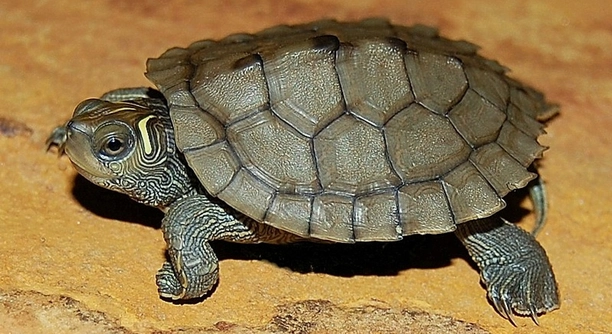
Map turtles are fascinating creatures, but sometimes their eggs don’t develop as expected. Various factors can affect the process, from environmental conditions to handling practices. Understanding the reasons behind this can help you better care for your turtles.
There are several reasons why map turtle eggs might not develop properly. Factors such as incorrect incubation temperature, humidity levels, or egg handling can prevent proper embryo growth. It is essential to maintain stable conditions to ensure successful development.
Proper care of map turtle eggs involves maintaining optimal conditions. Understanding these variables will help you support their growth and increase the likelihood of healthy hatchlings.
Incorrect Incubation Temperature
The temperature at which you incubate your map turtle eggs is critical for their development. If the temperature is too high or low, it can lead to improper development, or even cause the eggs to fail. The ideal range for map turtle eggs is typically between 75°F and 85°F. Temperatures outside of this range can interfere with embryo growth, leading to undeveloped or weak hatchlings.
Inaccurate temperature control can occur if the incubator is poorly regulated or if the eggs are exposed to fluctuating heat sources. It’s essential to maintain a steady, consistent temperature throughout the incubation period to give your eggs the best chance of success.
To avoid temperature issues, invest in a reliable thermometer and thermometer placement inside your incubator. Ensuring the temperature stays within the correct range can prevent a lot of common incubation problems. Regularly monitor the incubator and avoid opening it too often to maintain stable conditions. Keeping these factors in mind will help ensure your map turtle eggs have the best environment for development.
Humidity Levels
Humidity plays a vital role in egg development. Too much moisture can suffocate the eggs, while too little can cause dehydration. Keeping humidity levels between 80% and 90% is ideal for map turtle eggs.
Ensuring proper humidity involves using a humidity gauge and adding water to the incubator as necessary. Too dry of an environment can lead to the eggs drying out, preventing proper growth.
Egg Handling
How you handle the eggs can impact their development. Turning or disturbing the eggs too much can damage the embryos inside. Once laid, it’s crucial to handle the eggs gently and place them back in the same orientation.
If you accidentally flip the eggs or change their position, the developing embryo might not be able to properly attach to the egg’s membrane. This can hinder development. Be mindful of the delicate nature of the eggs and use a gentle touch when transferring them to a new incubator or checking on them.
Avoid unnecessary handling and check on your eggs infrequently. Keeping them in a stable, quiet environment reduces the risk of damage and gives the embryos the best chance to grow. A calm, steady approach ensures the eggs develop without disruption.
Poor Egg Quality
Sometimes the eggs themselves may be the problem. Poor egg quality can result from health issues in the mother, incorrect mating, or poor nutrition. If the eggs are not fertilized or have weak shells, they may not develop properly.
To improve the quality of eggs, make sure your map turtle has a balanced diet and is in good health. Proper nutrition can enhance fertility and ensure that the eggs are strong and viable. Regular vet check-ups and proper care also help keep the turtle in optimal condition, reducing the chances of poor-quality eggs.
Improper Incubator Conditions
An unstable incubator can prevent proper egg development. If the environment isn’t consistently controlled, your eggs may struggle to develop. Check the humidity and temperature regularly to ensure they stay within ideal ranges.
Make sure your incubator is in a location free from temperature fluctuations. Keeping it in a stable area reduces the chances of external conditions affecting the incubation process.
Egg Rot
Egg rot is a serious problem. It can occur if the eggs are exposed to too much moisture or if they are not cleaned properly before incubation. Rot can cause the eggs to spoil and prevents embryo development.
To prevent egg rot, ensure the eggs are clean and dry before placing them in the incubator. If any eggs show signs of damage or leakage, remove them immediately to avoid contamination. Regularly inspect the eggs for any visible changes that could signal problems.
Infection or Bacteria
Bacterial infections can halt the development of map turtle eggs. If the eggs are exposed to bacteria, it can cause them to become infected, preventing proper embryo growth. Proper hygiene is crucial.
Clean the eggs and incubation area regularly to reduce the risk of bacterial contamination. Make sure to use sterilized tools and avoid handling the eggs with dirty hands to keep them safe from infection. Keeping the environment sterile will promote healthy development.
FAQ
What temperature is best for incubating map turtle eggs?
The ideal temperature range for incubating map turtle eggs is between 75°F and 85°F. Temperatures below or above this range can lead to problems such as underdevelopment or improper hatching. Consistent, controlled temperatures are key to ensuring healthy embryos.
How long does it take for map turtle eggs to hatch?
Map turtle eggs typically take 60 to 90 days to hatch, depending on environmental conditions. The warmer the temperature, the quicker the eggs will hatch. However, temperatures that are too high can lead to early hatching or deformities, while too low can delay development.
What humidity level should I maintain for map turtle eggs?
Humidity should be kept between 80% and 90% for the best results. If the air is too dry, the eggs can desiccate, and if it is too humid, they may suffocate. Regular checks of the humidity level will help ensure a stable environment for the eggs.
Can map turtle eggs hatch without an incubator?
While it’s possible for eggs to hatch without an incubator in a natural setting, it’s much harder to control environmental factors. An incubator ensures consistent temperature and humidity, providing the best chance for successful hatching. Without one, eggs may fail to develop or hatch prematurely.
Should I rotate the eggs during incubation?
You should avoid rotating the eggs. Once placed in the incubator, map turtle eggs should remain in the same position. Rotating the eggs can disrupt the embryo’s development and decrease the chance of successful hatching. Only check on them minimally to reduce disturbance.
How do I tell if the eggs are fertilized?
You may not be able to tell if the eggs are fertilized until after a few weeks of incubation. One common method is candling the eggs, which involves shining a light through them to observe the development inside. Fertilized eggs will typically show signs of embryo growth.
What should I do if an egg is damaged during incubation?
If you notice any cracks or leaks, it’s important to remove the damaged egg from the incubator immediately. A cracked egg can introduce bacteria to the incubation environment, which could affect the other eggs. Dispose of any visibly damaged eggs to protect the rest.
Can map turtle eggs be reburied if moved from the nest?
If you need to move map turtle eggs from their original location, it’s essential to handle them carefully and bury them at the same depth and orientation in the new location. Avoid disturbing the eggs too much. If possible, it’s best to leave them undisturbed in the original nesting site.
What can I do if the eggs don’t hatch on time?
If map turtle eggs fail to hatch within the expected timeframe, ensure that the incubator’s temperature and humidity levels are still stable. Sometimes, eggs may hatch later than expected, so be patient. If there’s no sign of hatching after a significant delay, consult a vet for advice.
Why do some map turtle eggs fail to develop?
Egg development failure can occur due to a range of factors, including incorrect temperature or humidity, poor egg quality, bacterial infections, or improper handling. It’s important to maintain stable incubation conditions and handle the eggs with care to minimize the risk of failure.
Can I help a map turtle egg hatch if it’s struggling?
It’s best not to intervene if a map turtle egg is struggling to hatch. Attempting to assist can damage the embryo or cause complications. If the egg has been in the incubator for a prolonged period without hatching, it’s important to assess environmental factors or consult a professional for guidance.
Is it necessary to keep the eggs warm throughout the entire incubation process?
Yes, it is crucial to keep map turtle eggs warm throughout incubation. Fluctuations in temperature can cause developmental issues or prevent hatching. A stable temperature between 75°F and 85°F ensures the embryos develop properly. Make sure the incubator’s temperature is consistent throughout the entire process.
How do I know when it’s time to stop incubating the eggs?
Once the eggs are close to hatching, you’ll notice signs such as small cracks in the shell or increased movement inside. If the eggs have been incubated for several months without any sign of life, it may be time to remove them. Checking on the eggs periodically will help determine when to stop.
What can cause premature hatching of map turtle eggs?
Premature hatching can occur if the incubator temperature is too high. Keeping the eggs in overly warm conditions can cause the embryos to hatch too soon, which may result in weak or undeveloped hatchlings. Maintaining a consistent, moderate temperature is important for proper timing.
Are there any special tools I need for incubating map turtle eggs?
At a minimum, you’ll need an incubator, a reliable thermometer, and a humidity gauge. These tools help maintain the correct temperature and humidity levels. You may also use a flashlight for candling the eggs to check on their progress. Ensure the incubator has good air circulation and proper insulation.
Final Thoughts
Incubating map turtle eggs requires careful attention to detail. Proper temperature, humidity, and handling are crucial for the eggs to develop successfully. By maintaining a stable environment, you can provide the best conditions for the embryos to grow. Small changes in the environment or how the eggs are treated can have a significant impact on whether they hatch. A consistent, gentle approach ensures that the eggs are not disturbed and can develop without unnecessary stress.
If you’re unsure about the conditions, always check the temperature and humidity regularly. Invest in a reliable incubator, thermometer, and hygrometer to monitor the environment consistently. The right equipment makes a big difference in ensuring your eggs remain in optimal conditions. Patience is key when incubating turtle eggs. While it can take several months for them to hatch, maintaining a steady environment is the most reliable method for success. Keep track of the incubation period and look for signs of development such as changes in the eggs or slight movements inside.
When the eggs do hatch, it’s important to let the baby turtles emerge on their own. Premature intervention can harm the hatchlings or disrupt the natural process. After hatching, provide the baby turtles with an appropriate habitat where they can continue to grow. Remember that the process of incubating and hatching turtle eggs is delicate. Following these steps ensures the best chances for healthy, thriving hatchlings. Keep learning and adjusting your methods to improve your success with each new batch of eggs.

Hello,
If you enjoy the content that we create, please consider saying a "Thank You!" by leaving a tip.
Every little bit helps us continue crafting quality advice that supports the health, happiness, and well-being of pets around the world, for pets of all shapes, sizes, and species.
We really appreciate the kindness and support that you show us!