
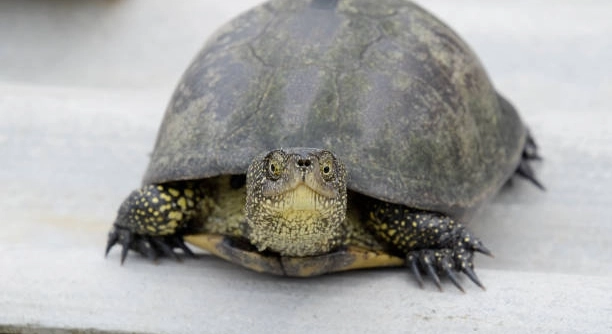
Musk turtles are fascinating pets, but keeping them in brackish water presents unique challenges. Their care requires attention to water quality, diet, and habitat. Let’s take a closer look at some of the difficulties that arise.
Maintaining the right conditions for musk turtles in brackish water is complex. These turtles need specific salinity levels, water filtration, and regular maintenance to stay healthy. Without proper care, they can experience stress, health issues, and even death.
Maintaining a stable environment for your musk turtle isn’t always easy. The following challenges are essential to keep in mind to ensure a healthy, happy turtle.
Maintaining Proper Salinity Levels
Musk turtles require brackish water, but getting the salinity just right can be tricky. Too much salt can harm them, while too little can make them uncomfortable. It’s important to use a hydrometer to monitor the water’s salinity, ensuring it stays within the right range for your turtle. This balance needs consistent checking to prevent any sudden changes that could affect your turtle’s health. Without stable salinity, your turtle might show signs of stress like decreased activity or changes in behavior. It’s essential to adjust the water slowly if necessary and provide them with a clean, stable environment.
Testing and adjusting salinity should be part of regular care. Changes in water conditions might occur over time, so frequent checks are important.
One common mistake is using regular freshwater to fill the tank, not accounting for saltwater needs. Saltwater isn’t just for sea creatures—it helps maintain a balanced environment for musk turtles. A mixture of fresh and marine saltwater is needed. However, the type of salt matters, as not all salts are safe for turtles. Aquarium salt, for example, is specifically designed for brackish habitats. Over time, evaporation can increase the salinity in the tank, so it’s also important to replace water lost through evaporation with water that matches the correct salinity. A gradual adjustment to the tank’s salinity is critical to prevent stress, ensuring your turtle stays healthy and comfortable.
Proper Filtration System
A reliable filtration system is crucial for musk turtles. Because they live in water with salt, proper filtration helps maintain both water quality and salinity.
A strong filtration system removes waste and debris, which is essential for maintaining clean water. In brackish water tanks, waste can quickly build up. This affects not only water clarity but also the overall health of your turtle. With improper filtration, toxins can accumulate and stress your turtle. A high-quality filter that handles both waste and salinity levels will help maintain the balance necessary for the turtle’s health. Consider getting a filter designed for brackish water to avoid future problems. Regularly cleaning the filter ensures its efficiency. This prevents harmful build-up and keeps the tank environment suitable for your turtle.
Temperature Control
Maintaining the right temperature in a brackish water tank is vital. Too high or low of a temperature can stress your musk turtle.
The ideal temperature range for musk turtles in brackish water is between 75°F to 80°F. This range helps your turtle thrive. Fluctuating temperatures can lead to health problems, so it’s essential to monitor the tank with a reliable thermometer. Sudden drops or rises in temperature may cause your turtle to become lethargic or even lose its appetite. Heat lamps and under-tank heaters can help maintain a steady temperature. However, it’s important to adjust based on the tank’s size and water volume.
Avoid placing the tank near drafts or direct sunlight, as this can cause drastic temperature changes. Keeping the tank in a stable, temperature-controlled room will help your turtle adjust easily.
Water Changes and Maintenance
Regular water changes are a must for keeping your turtle’s tank clean and healthy.
A consistent water change routine is essential for maintaining water quality. For brackish water tanks, partial water changes of 25% to 30% every two weeks are recommended. It helps eliminate waste and maintain the proper salinity level. Simply topping off the water will not suffice, as it doesn’t remove the built-up waste. Water changes also help keep ammonia levels in check, preventing harmful spikes that could harm your turtle. Make sure to treat the new water with a conditioner, especially if you’re using tap water. Always check the salinity and temperature of the new water before adding it to the tank.
Be mindful that any changes to the water should be gradual to avoid shocking your turtle. A regular water maintenance routine ensures your turtle stays healthy and avoids many common tank issues.
Inadequate Tank Size
An appropriately sized tank is essential for the well-being of your musk turtle. Too small a tank can lead to stress and health issues.
Musk turtles need space to swim and explore. A tank that is at least 30 gallons is recommended for one turtle. A cramped space can restrict movement and increase the risk of diseases. Overcrowding can also cause stress, making it harder for your turtle to find food and rest. Ensure there is enough space for them to move around comfortably. It will also be easier to maintain proper water conditions in a larger tank, as the water volume will be more stable.
Filtration and Aeration
Effective filtration and aeration are vital for a brackish tank. Without them, water quality will quickly degrade.
A powerful filter is key to keeping the water clean and reducing harmful waste buildup. Additionally, aeration helps ensure oxygen levels stay high in the tank. This is essential for your turtle’s health, as stagnant water can promote the growth of harmful bacteria. Consider using a filter with a good flow rate to keep water circulating well. Aeration stones or devices can also help with this. Together, a good filtration system and proper aeration contribute to a healthier environment for your musk turtle.
FAQ
What is the ideal salinity level for musk turtles in brackish water?
The ideal salinity level for musk turtles in brackish water should be around 1.005 to 1.010 specific gravity. This range provides a healthy balance for your turtle. Keeping the salinity within this level is important because it mimics their natural habitat. Too much salt can cause stress and health problems, while too little will make it harder for your turtle to thrive. You should regularly test the water with a hydrometer to maintain the correct salinity. Remember that salinity can fluctuate due to evaporation, so always adjust accordingly.
How often should I change the water in a brackish tank?
Water changes should be done every two weeks, with 25% to 30% of the water replaced. Regular water changes are crucial for maintaining a clean and healthy environment for your musk turtle. Simply topping off the tank won’t remove the waste or balance the water conditions. If you notice the water becoming cloudy or the filter struggling, it may be time for a more frequent water change. Always check the water’s salinity and temperature before adding fresh water, and treat it with a water conditioner if you’re using tap water.
What should the temperature be in a brackish water tank for musk turtles?
Musk turtles require a water temperature between 75°F and 80°F. Maintaining this temperature range helps to keep your turtle comfortable and active. If the temperature is too high or too low, your turtle may become stressed, stop eating, or develop health problems. Using a thermometer to monitor the tank’s temperature is a good practice. In colder weather, you may need a heater, while in warmer weather, avoid placing the tank in direct sunlight or near heat sources. A steady temperature is key to keeping your turtle healthy.
Can I keep more than one musk turtle in the same tank?
It is possible to keep more than one musk turtle in a tank, but space is crucial. Each turtle needs room to swim and explore without feeling crowded. A 30-gallon tank is the minimum for one turtle, but you should add at least 10 more gallons for each additional turtle. Overcrowding can lead to stress, territorial behavior, and health issues. It’s important to monitor their interactions and ensure they are not fighting over food or space. Male musk turtles, in particular, can be aggressive, so it’s better to keep one male and one or more females.
What should I feed my musk turtle in brackish water?
Musk turtles are omnivores, so a balanced diet consisting of both animal and plant-based foods is necessary. You can feed them pellets designed for aquatic turtles, supplemented with live or frozen food like worms, small fish, and shrimp. They also enjoy leafy greens, aquatic plants, and some fruits. Be sure to offer a variety of foods to ensure they get all the nutrients they need. Feeding your turtle in a separate container helps keep the tank cleaner. Remove any uneaten food after feeding to prevent it from decomposing in the water.
Is it safe to use tap water for a brackish water tank?
Tap water can be used for a brackish water tank, but it often contains chlorine and other chemicals that can harm your turtle. It’s recommended to treat the tap water with a water conditioner before adding it to the tank. This removes chlorine and chloramine, making it safer for your turtle. If possible, use water from a reliable source that is free from harmful chemicals. Keep in mind that when you replace water, you should always match the salinity and temperature of the water in the tank.
How do I know if my musk turtle is stressed?
Signs of stress in musk turtles include reduced activity, a lack of appetite, and swimming in circles or rubbing against tank walls. Stress can result from poor water quality, improper temperature, salinity issues, overcrowding, or a lack of hiding spaces. If your turtle is showing signs of stress, check the tank’s water conditions, temperature, and salinity. Ensure there are enough hiding spots or basking areas for your turtle to retreat to when needed. Stress should be addressed quickly to prevent long-term health issues.
Can musk turtles live with other tank mates?
Musk turtles can sometimes live with other species, but it depends on the tank mates. They are generally peaceful but may become aggressive toward smaller creatures, especially when they’re hungry. It’s important to choose tank mates that are similar in size and temperament. Fish, snails, and other aquatic creatures that are too small might become food for your turtle. Avoid keeping musk turtles with species that might nip at their shells or bother them. It’s best to monitor interactions to ensure no stress or harm occurs.
What kind of filter do I need for a brackish tank with musk turtles?
For a brackish water tank with musk turtles, a filter that can handle both the waste produced by the turtle and the saltwater environment is necessary. A canister filter or a high-quality power filter with a good flow rate will work well. The filter should be capable of handling the tank’s water volume and should be cleaned regularly to ensure it functions properly. A filter designed specifically for brackish tanks will also help maintain the proper salinity levels and prevent any water quality issues.
How can I provide my musk turtle with adequate basking areas?
Musk turtles need a dry basking area where they can climb out of the water to warm up and dry off. You can create a basking area using a flat rock or a platform designed for aquatic reptiles. Make sure the basking area is easily accessible, allowing your turtle to get out of the water without difficulty. The basking area should also be heated, as turtles need warmth to regulate their body temperature. Using a UVB light on the basking spot will also help provide necessary sunlight for their shell and overall health.
Final Thoughts
Caring for musk turtles in brackish water requires a bit of extra attention compared to other turtle species. While they are relatively hardy creatures, creating the right environment for them to thrive is essential. Ensuring proper salinity, temperature, and filtration will go a long way in keeping your turtle healthy. It’s also important to regularly check the water quality and make any necessary adjustments to the tank setup. This helps prevent stress and health problems for your turtle in the long run.
One of the most crucial aspects of keeping a musk turtle is providing them with enough space. A properly sized tank, good filtration, and regular maintenance are key to maintaining a clean and healthy habitat. If you plan on keeping multiple turtles, ensure that the tank size is large enough to accommodate their needs. Overcrowding can cause unnecessary stress and lead to fights. Even with a single turtle, ensure there are enough places for them to hide and bask. These simple but important details can help create a peaceful and thriving environment.
Overall, keeping musk turtles in brackish water is manageable with the right knowledge and care. While it may take some effort to maintain the perfect tank conditions, the rewards of having a healthy and active turtle are worth it. Whether you’re a first-time turtle owner or have previous experience, attention to detail in water quality, temperature, and tank size will help ensure your turtle lives a long and healthy life.

Hello,
If you enjoy the content that we create, please consider saying a "Thank You!" by leaving a tip.
Every little bit helps us continue crafting quality advice that supports the health, happiness, and well-being of pets around the world, for pets of all shapes, sizes, and species.
We really appreciate the kindness and support that you show us!