
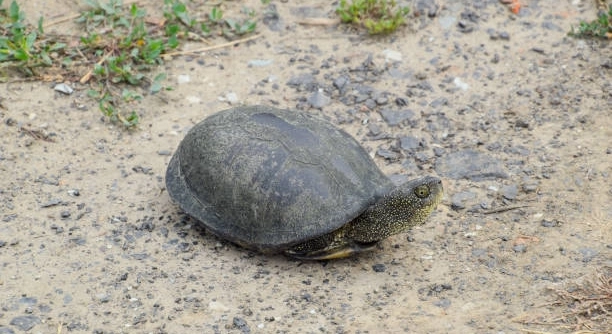
Do you worry about the health of your musk turtle and wonder if parasites might be an issue in their care?
Musk turtles can get parasites, which may affect their health and overall well-being. Common parasites include nematodes and protozoa, often introduced through contaminated water, food, or poor habitat maintenance. Prevention requires proper care and cleanliness.
Keeping your musk turtle parasite-free is achievable with the right practices. Learn how to identify risks, prevent problems, and ensure your turtle thrives.
Understanding Parasites in Musk Turtles
Musk turtles, like many reptiles, can occasionally experience issues with parasites. These organisms, such as nematodes and protozoa, can enter your turtle’s habitat through contaminated water, uneaten food, or improper tank maintenance. Once inside, parasites may cause symptoms like lethargy, loss of appetite, weight loss, or irregular bowel movements. If left unchecked, these conditions can worsen, impacting your turtle’s health significantly. Monitoring your turtle’s behavior and maintaining a clean, well-maintained habitat can reduce the risk of parasitic infections. Regular vet check-ups are also crucial to identify and address any issues early.
Parasites often thrive in unclean water or when food is left to rot. Maintaining pristine tank conditions is vital for your turtle’s overall health and reducing potential exposure. Proper cleaning routines and water changes are key.
While parasites are a concern, they are manageable with proper care. Understanding how they spread and their potential impact ensures you can provide a safe environment for your turtle.
Preventing Parasites in Musk Turtles
Keeping a musk turtle healthy begins with clean living conditions. Dirty water and uneaten food are common sources of infection. Regularly cleaning the tank and using a reliable filtration system can make a significant difference.
A musk turtle’s tank should have clean water, free of waste and uneaten food. Change water partially every week and fully every month, depending on the setup. Use water conditioners to remove harmful chemicals, and ensure the temperature and pH levels are suitable. Feeding your turtle high-quality food reduces the risk of introducing parasites from contaminated sources.
For added protection, consider annual health check-ups with a reptile veterinarian. Early detection and prompt treatment are essential in preventing minor issues from becoming serious health concerns. By maintaining consistent care, you ensure your turtle thrives in a safe, parasite-free environment.
Common Signs of Parasites in Musk Turtles
Recognizing the signs of parasites in musk turtles is essential for timely treatment. Symptoms include lethargy, reduced appetite, weight loss, irregular stool, or visible worms in feces. Sudden behavioral changes may also indicate an issue requiring attention.
Weight loss is often one of the first noticeable symptoms in parasitized turtles. If your turtle appears thinner despite eating regularly, it could indicate an internal problem. Lethargy and lack of interest in basking or swimming are other signs that shouldn’t be ignored. Watch for irregular stool consistency, discoloration, or worms in their waste. Early observation can help prevent the condition from worsening.
Behavioral changes often reveal underlying health issues. A once-active turtle that suddenly avoids food or hides excessively might be struggling with a parasitic infection. Monitoring these shifts ensures early detection and improves treatment outcomes.
How to Treat Parasites in Musk Turtles
Treatment for parasites begins with proper diagnosis by a veterinarian. Medications like anti-parasitic treatments are often prescribed based on the specific type of parasite identified. Follow your vet’s recommendations carefully to ensure effective treatment.
After diagnosis, your vet may recommend dietary changes to boost your turtle’s recovery. High-quality, nutrient-rich foods support the immune system. Maintaining clean tank conditions during treatment is essential to prevent reinfection. Sanitize the habitat and remove any uneaten food promptly.
Successful treatment relies on consistency and vigilance. Complete the prescribed medication regimen, monitor your turtle for signs of improvement, and schedule follow-ups with the vet. With proper care, your musk turtle can recover fully and return to optimal health.
Maintaining a Parasite-Free Environment
Cleanliness is the key to preventing parasites. Regularly clean the tank, remove waste, and change water as recommended. A reliable filtration system ensures water quality and minimizes the risk of contamination from harmful organisms.
Avoid overfeeding your musk turtle, as uneaten food can decay and promote parasite growth. Remove leftover food promptly to maintain a clean habitat and reduce health risks.
Importance of Quarantining New Additions
New turtles or live prey can introduce parasites to your tank. Quarantine any new additions for at least 30 days before introducing them to the primary habitat. This precaution helps prevent spreading unseen health issues to your musk turtle.
During quarantine, monitor the new turtle or prey for signs of illness. Look for behavioral changes, unusual waste, or visible parasites. Proper quarantining safeguards your existing turtles and ensures a healthy, balanced ecosystem.
When to Consult a Veterinarian
If your musk turtle shows persistent symptoms like lethargy or weight loss despite your efforts, consult a veterinarian immediately. Early professional intervention ensures proper diagnosis and treatment, preventing complications that could impact your turtle’s overall health.
FAQ
Can musk turtles get internal parasites?
Yes, musk turtles can develop internal parasites, including nematodes, protozoa, and flatworms. These parasites typically enter through contaminated food, water, or live prey. Left untreated, they can harm the turtle’s digestive system and overall health.
What are the signs of parasites in musk turtles?
Common symptoms include weight loss, lethargy, decreased appetite, and irregular stool. You may also notice worms in their feces or other unusual behaviors, such as excessive hiding or reduced activity. Observing these changes can help you identify issues early.
How can I prevent my musk turtle from getting parasites?
The best prevention method is maintaining a clean habitat. Regular water changes, effective filtration systems, and prompt removal of waste and uneaten food are essential. Quarantining new additions also minimizes the risk of introducing parasites to your tank.
What should I do if I suspect my musk turtle has parasites?
Consult a reptile veterinarian immediately. They will perform diagnostic tests, such as fecal exams, to confirm the presence of parasites. Based on the findings, they may prescribe anti-parasitic medications tailored to your turtle’s needs.
Is treatment for turtle parasites expensive?
Treatment costs vary depending on the type of parasite and severity of the infestation. Generally, a consultation, diagnostic tests, and medication are manageable expenses. Early detection can reduce costs by preventing more complex health problems.
Can parasites spread from turtles to humans?
While rare, certain parasites, such as Salmonella, can pose a risk to humans. Practice good hygiene, such as washing your hands thoroughly after handling your turtle or cleaning their habitat, to minimize any potential risks.
How often should I clean my musk turtle’s tank?
Partial water changes should be done weekly, while a full tank cleaning, including filter maintenance, is recommended monthly. Adjust this schedule based on your tank’s size and filtration system to ensure consistent cleanliness.
Can live prey introduce parasites?
Yes, live prey like insects or small fish can carry parasites. Always source live food from reputable suppliers, and consider freezing prey before feeding to kill any harmful organisms.
Should I avoid live plants in my turtle’s habitat?
Live plants can benefit a tank but may carry parasites or bacteria if not properly cleaned. Rinse and treat plants before adding them to the tank to ensure they are safe for your turtle.
What type of food reduces the risk of parasites?
High-quality, commercial turtle food is less likely to introduce parasites compared to live prey. Pellets formulated for turtles often provide balanced nutrition and minimize contamination risks. Supplementing with vegetables and occasional treats is also beneficial.
Can tankmates affect my musk turtle’s health?
Yes, other tank inhabitants can carry parasites or diseases. Always quarantine new tankmates and ensure they are compatible with musk turtles to maintain a healthy environment for all.
Do juvenile turtles have a higher risk of getting parasites?
Juvenile turtles may be more vulnerable due to their developing immune systems. Provide proper nutrition, clean water, and a stable habitat to support their health and reduce the risk of parasitic infections.
How can I monitor my turtle for parasites regularly?
Regularly observe your turtle’s behavior, stool, and appetite. Any changes should be addressed promptly. Annual vet check-ups, including fecal exams, are a proactive way to ensure your turtle remains parasite-free.
Final Thoughts
Musk turtles are fascinating pets that require proper care and attention to thrive. While parasites can pose a threat to their health, maintaining a clean and well-monitored habitat greatly reduces the risk. Regular cleaning, proper feeding practices, and quarantining new additions are essential steps in ensuring your turtle’s environment stays safe and hygienic. By staying attentive to your turtle’s behavior and physical condition, you can identify potential health issues early and act promptly to address them.
Building a routine for tank maintenance and health checks is a simple yet effective way to prevent parasites. Investing in a reliable filtration system and maintaining water quality are crucial for your turtle’s well-being. Choosing high-quality food and avoiding contaminated live prey further reduces the risk of introducing harmful organisms. Regular veterinary visits also provide professional insight into your turtle’s health, helping to catch any issues before they escalate.
Caring for a musk turtle is a rewarding experience when done with attention to detail and dedication. Taking the time to learn about their needs and risks ensures they live a long, healthy life. Prevention and early action are the best tools to keep your turtle free from parasites and other health concerns.

Hello,
If you enjoy the content that we create, please consider saying a "Thank You!" by leaving a tip.
Every little bit helps us continue crafting quality advice that supports the health, happiness, and well-being of pets around the world, for pets of all shapes, sizes, and species.
We really appreciate the kindness and support that you show us!