
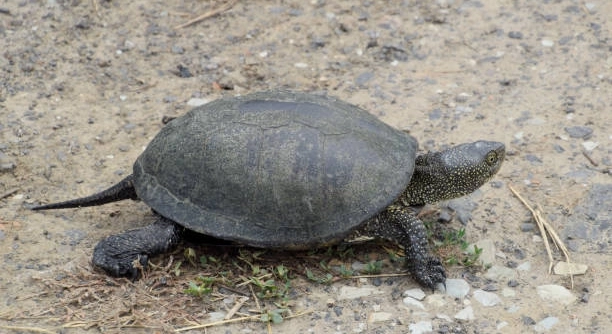
Do you ever notice odd behaviors in your musk turtles and wonder what they mean? These little creatures, though small, have fascinating quirks that can leave even the most seasoned turtle owner puzzled.
Musk turtles display unusual behaviors as a way of communicating, regulating their environment, or responding to stress. These actions often reveal their health, mood, or environmental needs and help owners better care for them.
By understanding these behaviors, you’ll not only build a stronger bond with your musk turtle but also ensure its long-term well-being. Let’s explore the fascinating world of musk turtle communication.
Head-bobbing and What It Means
Musk turtles sometimes bob their heads in a rhythmic motion. This behavior is often a sign of territorial display, especially among males. It helps them establish dominance and deter other turtles from invading their space. However, head-bobbing can also indicate courtship during mating seasons.
Head-bobbing serves both social and survival purposes in musk turtles, communicating boundaries and reproductive intentions. Observing the context of this behavior can help determine its exact cause, such as whether your turtle is encountering a rival or seeking a mate.
To address this, ensure your tank has plenty of hiding spots and adequate space. Separating aggressive males or adding barriers can reduce territorial disputes. On the other hand, if head-bobbing occurs during mating, it’s essential to monitor the turtles to prevent injuries. Understanding this behavior is key to creating a balanced and safe environment for your pets.
Burrowing into Substrate
Musk turtles burrow into the substrate to feel safe and regulate their body temperature. This behavior mimics their natural habitat, where they often hide under soft mud or leaves.
Providing a soft, clean substrate like sand or fine gravel encourages healthy burrowing behavior. Avoid sharp or rough materials that could irritate your turtle’s skin. Regular substrate cleaning is also crucial to maintain water quality.
Additionally, burrowing may signal that your turtle feels stressed or threatened. Double-check your tank setup, including lighting, temperature, and tank mates. Ensuring your musk turtle feels secure and comfortable can significantly reduce stress and promote its well-being. Balancing these factors helps your turtle thrive in a healthy, enriched environment.
Gaping Behavior in Musk Turtles
Gaping in musk turtles can occur due to curiosity, stress, or respiratory issues. If the behavior is brief and situational, it’s usually harmless. However, frequent gaping may indicate underlying health problems requiring attention.
When musk turtles gape, they might be regulating their breathing or trying to sense their environment better. This behavior can also be a response to sudden changes in water temperature or quality. If gaping is accompanied by wheezing or lethargy, it could signal a respiratory infection.
To ensure your turtle’s health, maintain optimal tank conditions, including water temperature between 75-80°F and clean, filtered water. Additionally, watch for signs of illness such as nasal discharge or lack of appetite. Promptly consulting a vet if symptoms persist can help prevent serious health complications and keep your turtle healthy.
Basking for Unusual Durations
Musk turtles bask for extended periods when seeking warmth or drying their shells. This behavior is normal if their basking area and lighting setup meet their needs.
However, prolonged basking could indicate improper water temperatures or shell conditions. Check your water heater and basking light to ensure proper functioning. Balanced temperatures help maintain their health.
If your turtle basks excessively, inspect its shell for signs of fungal growth or soft spots. Providing UVB lighting is essential for preventing shell issues and promoting calcium absorption. Regularly monitoring your tank setup and adjusting as needed ensures a comfortable and safe environment for your musk turtle.
Frequent Clawing at Tank Walls
Clawing at the tank walls often happens when musk turtles feel confined or see their reflection. This behavior may indicate they are seeking more space or are stressed by their environment.
Providing a larger tank with adequate hiding spots can help reduce stress. A tank size of at least 30 gallons per turtle is recommended.
Refusing to Eat
A musk turtle refusing food could be stressed, ill, or dissatisfied with its diet. Poor water quality or sudden temperature changes might also affect their appetite.
To encourage feeding, ensure their diet includes a mix of protein-rich foods like insects and commercial turtle pellets. Consistent tank conditions improve overall feeding habits.
FAQ
What causes my musk turtle to swim in circles?
Swimming in circles can be a sign of stress or a desire to escape from its environment. This behavior may happen when the turtle feels trapped or uncomfortable in its tank. Poor water quality, small tank size, or improper temperature could contribute to this. It’s essential to provide a spacious tank with appropriate filtration and heating. Ensure the water temperature is between 75-80°F and the tank is at least 30 gallons for one turtle. Improving these conditions may stop this repetitive swimming behavior.
How can I tell if my musk turtle is stressed?
Stress in musk turtles can manifest as unusual behaviors like excessive basking, swimming in circles, or aggression toward tank mates. Other signs include a lack of appetite, gaping, or hiding excessively. Stress can result from poor water conditions, inadequate basking areas, or environmental changes. Ensure the tank is clean, large enough, and has the proper heating and lighting. Consistent care and a stable environment can significantly reduce stress and improve your turtle’s health.
Is my musk turtle sick if it refuses to eat?
Not eating can indicate illness, but it may also be caused by stress, temperature changes, or a change in diet. If your turtle refuses food for more than a few days, it could be a sign of a respiratory infection, parasites, or shell issues. A loss of appetite combined with other symptoms, such as lethargy or wheezing, warrants a visit to the vet. It’s also essential to check the water temperature, water quality, and ensure your turtle’s diet is varied and appropriate for its age and size.
Why is my musk turtle’s shell soft?
A soft shell in a musk turtle is often a sign of calcium deficiency, which may be caused by a lack of UVB light exposure or insufficient calcium in their diet. UVB light helps turtles absorb calcium, which is crucial for shell and bone health. To remedy this, provide a proper UVB light and offer calcium-rich foods like cuttlebone, leafy greens, or specially formulated supplements. Make sure your turtle gets at least 10-12 hours of UVB light per day.
What should I do if my musk turtle is basking too much?
Excessive basking can indicate a problem with water temperature or the tank’s lighting. Musk turtles bask to regulate their body temperature, so if they are basking longer than usual, it could mean the water is too cold or the basking spot is too warm. Check that your tank’s water temperature is between 75-80°F and that the basking area is 85-90°F. If these conditions are correct and the behavior continues, consider checking for health issues or stressors in the environment.
Why is my musk turtle’s skin peeling?
Skin peeling in musk turtles is typically a natural part of their growth process, especially after shedding their outer layer. However, if peeling is excessive or accompanied by signs of infection, such as redness or discharge, it could indicate a fungal infection or poor water quality. Maintain clean water, avoid overcrowding, and ensure the turtle has a balanced diet. If the peeling doesn’t stop or is coupled with health concerns, a visit to the vet is necessary for proper treatment.
How often should I clean my musk turtle’s tank?
Regular cleaning is essential to keep your turtle’s environment healthy. Perform partial water changes weekly, removing about 25-30% of the water. Clean the tank thoroughly once a month, ensuring the filter is functioning well. Always test the water’s pH, hardness, and ammonia levels to ensure they are within safe ranges. Regular cleaning helps prevent infections and keeps your turtle’s habitat comfortable.
What kind of food is best for my musk turtle?
Musk turtles are omnivores, and a varied diet is essential for their health. Offer a mix of protein-rich foods like live insects, small fish, and high-quality turtle pellets, as well as vegetables like leafy greens and occasional fruits. A balanced diet will provide the nutrients necessary for growth, shell health, and overall well-being. Be sure to adjust the diet depending on your turtle’s age, as younger turtles require more protein, while adults need more plant matter.
Can my musk turtle live with other turtles?
Musk turtles can live with other turtles, but only if the tank is large enough and the turtles are compatible. Male musk turtles can be aggressive toward other males, especially during mating season. If you house multiple turtles, ensure plenty of hiding spots and separate basking areas to reduce conflict. It’s also important to monitor their behavior regularly. If aggression or stress signs arise, consider separating the turtles.
How do I provide proper UVB lighting for my musk turtle?
UVB lighting is crucial for musk turtles to absorb calcium and maintain healthy shells. Set up a UVB light over the basking area and ensure it provides UVB rays for 10-12 hours a day. Replace the bulb every six months, as UVB rays lose effectiveness over time. Position the light close to the basking area to ensure the turtle gets adequate exposure, but make sure the turtle can also move away from the light when it needs to cool down.
Taking care of a musk turtle involves understanding its unique behaviors and needs. From head-bobbing to unusual basking habits, each action often carries meaning about the turtle’s environment or health. The key is observing your turtle closely and maintaining a proper habitat that meets its physical and psychological requirements. Healthy water conditions, proper lighting, and space to move around are essential for your turtle’s well-being. With the right setup, your musk turtle will feel safe and thrive.
Being aware of behaviors such as gaping, swimming in circles, or clawing at the tank walls can give you valuable insights into how your turtle is feeling. These signs often indicate stress or discomfort, which can be addressed by making small adjustments to its environment. For instance, if your turtle is not eating, checking the water temperature or food quality could resolve the issue. In many cases, small changes in the tank setup can make a big difference in the turtle’s behavior. Always be proactive in maintaining water quality, as poor conditions can quickly affect the health of your pet.
Remember, musk turtles are sensitive creatures, and understanding their behavior is part of being a responsible pet owner. Keep an eye out for changes in activity or habits, as they can be early signs of health problems or stress. Regular tank maintenance, a balanced diet, and a calm environment are important factors to ensure your turtle’s happiness. With patience and attention, you can provide the best care possible and enjoy watching your musk turtle grow and thrive.

Hello,
If you enjoy the content that we create, please consider saying a "Thank You!" by leaving a tip.
Every little bit helps us continue crafting quality advice that supports the health, happiness, and well-being of pets around the world, for pets of all shapes, sizes, and species.
We really appreciate the kindness and support that you show us!