
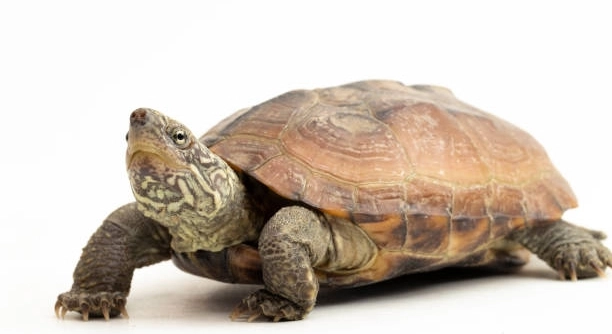
Raising Musk turtle hatchlings can be an exciting yet challenging experience. From providing the right environment to feeding, it’s essential to know what to expect when caring for these little creatures.
Caring for Musk turtle hatchlings requires careful attention to temperature, diet, and habitat. Improper conditions can lead to health issues or stunted growth. Ensuring they have the right care is crucial for their well-being and development.
Addressing these challenges will help you give your hatchlings the best start in life. With the right approach, you can ensure they thrive in their new environment.
Temperature Control: Keeping Hatchlings Comfortable
When it comes to Musk turtle hatchlings, maintaining the right temperature is essential. These tiny creatures are sensitive to fluctuations in heat, which can impact their health and growth. Too cold, and their metabolism slows down; too hot, and they can suffer from heat stress. The ideal water temperature for hatchlings is around 75-80°F (24-27°C), and the basking area should be between 85-90°F (29-32°C). It’s crucial to invest in a good aquarium heater and a reliable thermometer to keep the environment stable. Ensuring proper lighting for basking is just as important to mimic natural conditions.
The hatchlings rely on warmth to regulate their bodies. This helps with digestion, activity levels, and overall development. An unstable temperature can make them weak or even sick. In colder environments, it can cause their immune system to weaken, making them more vulnerable to infections.
Consistent temperature control will not only prevent health problems but also improve your hatchlings’ chances of thriving. Keeping them in a stable environment ensures they grow at a steady pace and remain active. A small investment in proper equipment pays off in the long term.
Feeding Challenges: Ensuring Proper Nutrition
Feeding Musk turtle hatchlings can be tricky due to their specific dietary needs.
A balanced diet is necessary for healthy growth and development. These hatchlings need a combination of protein-rich foods, like insects and small fish, and plant matter, such as aquatic plants or specially formulated turtle food.
Tank Size: Providing Enough Space
A spacious tank is vital for Musk turtle hatchlings to grow and thrive. It’s tempting to start with a small tank, but they’ll quickly outgrow it. A minimum of a 20-gallon tank is recommended, especially as they mature. Providing enough space encourages exercise and exploration.
Musk turtle hatchlings are naturally active and need room to swim around. A cramped tank can lead to stress, poor development, and even aggression toward tankmates. As they grow, it’s important to upgrade to a larger tank, ensuring they have sufficient space to roam. It’s better to start with a tank that can accommodate them long-term, which will save you from having to upgrade frequently.
Along with size, ensure the tank has proper filtration and water quality. Poor water conditions can harm your hatchlings’ health. They need clean, well-oxygenated water to stay healthy and active. The right tank size and water quality go hand in hand to create the best environment for them.
Lighting: Mimicking Natural Daylight
Proper lighting is key to maintaining a healthy habitat for Musk turtle hatchlings. These turtles need UVB light to help them process calcium and maintain a healthy shell. Without it, they can develop shell deformities or other health issues.
UVB light should be used for 10-12 hours a day to simulate natural daylight. It’s essential to position the bulb correctly above the basking area, as they need direct exposure. Replacing the bulbs regularly is important because UVB strength diminishes over time, even if the light still appears to work. Proper lighting also helps your hatchlings maintain a healthy sleep-wake cycle.
Without the right lighting setup, hatchlings may not be able to absorb the nutrients they need, leading to stunted growth. When setting up their environment, make sure to include both basking and UVB lights. This investment can prevent costly health issues and help your hatchlings grow strong and healthy.
Water Quality: Keeping it Clean
Maintaining clean water is one of the most important aspects of raising Musk turtle hatchlings. Poor water quality can lead to health issues like respiratory problems or shell rot. Regular water changes and a good filtration system will help keep your hatchlings safe and healthy.
The water should be filtered properly to remove waste and excess food. You’ll need to change 25-50% of the water every week, depending on the tank size and filtration system. It’s also a good idea to monitor the water’s pH and temperature regularly to ensure a stable environment for your hatchlings.
Handling: Avoid Stressing Them Out
Musk turtle hatchlings are delicate, so handling them should be kept to a minimum. Frequent handling can stress them out, impacting their growth and well-being.
Stress can lead to loss of appetite, illness, and behavioral changes. It’s best to leave them alone and observe them from a distance unless necessary for care or cleaning.
Predators: Protecting Hatchlings
Predators can be a serious threat to Musk turtle hatchlings, whether from other pets or wild animals. Always ensure their tank is securely covered to keep them safe from any external dangers.
Even small insects, like ants, can harm hatchlings if they’re left in the tank unattended.
FAQ
How often should I feed Musk turtle hatchlings?
Musk turtle hatchlings should be fed daily, especially when they are young. As they grow, you can reduce the frequency to every other day. Their diet should include protein-rich foods like worms, small fish, and insects, as well as plant material such as aquatic plants. Offering a balanced diet helps ensure their proper growth and shell development.
What is the ideal water temperature for Musk turtle hatchlings?
Musk turtle hatchlings thrive in water temperatures between 75-80°F (24-27°C). If the water is too cold, it can slow down their metabolism and immune system. If it’s too hot, they can experience heat stress, which may lead to health issues. Invest in a quality aquarium heater to maintain a consistent temperature.
Can Musk turtle hatchlings live with other turtles?
Musk turtle hatchlings can live with other turtles, but you need to be cautious. Ensure the tank is large enough for everyone to have enough space. Some turtles may become territorial, especially if they feel crowded or stressed. It’s important to monitor their behavior and separate them if aggression occurs.
Do I need to provide UVB lighting for my hatchlings?
Yes, UVB lighting is essential for Musk turtle hatchlings. It helps them absorb calcium from their food and prevent shell deformities. The UVB light should be positioned over the basking area and replaced regularly, as its effectiveness diminishes over time. Make sure they get 10-12 hours of UVB exposure each day.
What should the basking area look like for Musk turtle hatchlings?
The basking area for Musk turtle hatchlings should be dry, warm, and easy for them to access. It can be a rock or a platform that allows them to climb out of the water and dry off. The area should be heated to about 85-90°F (29-32°C) to provide the warmth they need for digestion and overall health.
How do I clean the tank properly?
Cleaning the tank regularly is crucial for keeping Musk turtle hatchlings healthy. Perform partial water changes of 25-50% once a week to remove waste and keep the water clean. Use a reliable filtration system to help manage the water quality between changes. Clean the tank decorations and substrate every month to remove any buildup of waste.
What should I do if my hatchling stops eating?
If your Musk turtle hatchling stops eating, it could be a sign of stress, illness, or improper water conditions. Ensure the water temperature and pH are within the ideal range. If the problem persists, it’s a good idea to take your hatchling to a vet specializing in reptiles for further advice.
Can I use tap water for the tank?
Yes, you can use tap water for your Musk turtle hatchlings, but it needs to be treated. Tap water often contains chlorine and other chemicals that can be harmful to your turtles. Use a water conditioner to remove these chemicals before adding the water to the tank. Also, regularly check the water quality to maintain a healthy environment.
How can I tell if my hatchling is sick?
Signs that your Musk turtle hatchling might be sick include lethargy, loss of appetite, swollen eyes, or unusual behavior. If your hatchling is not swimming normally or is spending too much time basking, it may be a sign of a health issue. Take note of any changes and consult with a reptile vet if necessary.
What kind of filter do I need for my tank?
For Musk turtle hatchlings, a strong filtration system is crucial to maintain clean water. A canister filter or a powerful internal filter is ideal, as these can handle the waste produced by hatchlings. The filter should be rated for a tank size larger than your current setup to ensure optimal water quality.
Can Musk turtle hatchlings drown?
Musk turtle hatchlings are good swimmers, but they can drown if they get trapped or if the water conditions are unsuitable. Ensure there are no objects they can get stuck in. Also, check that the water level is appropriate so they can easily swim to the surface to breathe. Proper tank setup minimizes the risk of drowning.
Do Musk turtles need to hibernate?
Musk turtles don’t require hibernation in captivity, but they may naturally slow down in colder months. However, if the water temperature is kept stable year-round, they should remain active. Avoid drastic temperature changes to keep their natural behavior in check.
How long will it take for my Musk turtle hatchling to grow?
Musk turtle hatchlings grow at different rates depending on their diet, water quality, and environment. Typically, they grow about 1-2 inches per year during their early years. Providing them with a proper diet, temperature, and space will ensure they grow at a healthy rate.
Are Musk turtle hatchlings messy?
Yes, Musk turtle hatchlings can be messy, especially when feeding. They tend to scatter food and waste in the water, so regular cleaning is essential. Having a good filtration system in place will help, but you’ll still need to perform weekly water changes to maintain cleanliness.
Final Thoughts
Raising Musk turtle hatchlings can be a rewarding experience, but it does come with its challenges. Ensuring they have the proper environment, including the right temperature, water quality, and lighting, is essential for their health and growth. From feeding them the right foods to creating enough space for them to explore, every detail matters. While it may take some time to learn and adjust to their needs, the effort pays off in the long run.
It’s important to keep in mind that Musk turtles are delicate and require consistent care. They are highly sensitive to changes in their environment, especially temperature and water conditions. Regular monitoring of their tank, cleaning, and health is essential to ensure they stay happy and healthy. It may seem like a lot of work at times, but as long as you stay diligent and stay on top of their needs, you’ll be able to provide them with the best possible care.
Ultimately, the key to successfully raising Musk turtle hatchlings is to be patient and prepared. As you grow more familiar with their behavior and care needs, you’ll be able to create a comfortable and safe space for them to thrive. By focusing on the basics—temperature control, proper diet, clean water, and a secure tank—you’ll give your hatchlings the best start in life. Their growth and well-being depend on your commitment to providing a balanced environment, and with the right approach, your hatchlings will flourish.

Hello,
If you enjoy the content that we create, please consider saying a "Thank You!" by leaving a tip.
Every little bit helps us continue crafting quality advice that supports the health, happiness, and well-being of pets around the world, for pets of all shapes, sizes, and species.
We really appreciate the kindness and support that you show us!