
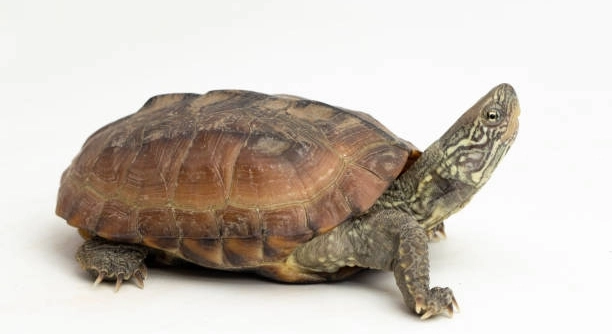
Building a DIY hideout for your musk turtle is a rewarding way to ensure its safety and comfort. With a little creativity and planning, you can create a perfect environment for your pet.
The process of creating a musk turtle hideout involves selecting materials, constructing the structure, and ensuring proper ventilation. A well-made hideout gives your turtle a place to feel secure and reduces stress. It also promotes natural behaviors.
This guide will walk you through the essential steps needed to create a hideout that your turtle will enjoy. You’ll find tips for building an effective and safe space.
Choose the Right Materials for Your Hideout
Selecting the right materials is essential when building a hideout for your musk turtle. You want to use items that are both safe and easy to maintain. Opt for natural materials like rocks, driftwood, or coconut shells, which offer both shelter and an appealing aesthetic. Avoid chemicals or treated woods that could harm your turtle. Make sure the materials are sturdy enough to withstand the weight of your turtle but still have enough texture for climbing. Additionally, ensure that everything you use is easy to clean and won’t degrade quickly in a moist environment. Proper ventilation is also important to avoid mold buildup.
Choosing the proper materials will ensure your turtle’s safety and comfort. Consider factors like size, ease of cleaning, and durability when shopping for supplies.
A safe hideout needs to be both functional and durable. The best materials will support your turtle’s needs without creating extra hassle. Keep in mind that the hideout should be large enough for your turtle to move around comfortably but small enough to create a cozy, secure space. Adding different textures will help your turtle feel more at home.
Build the Structure
Once you’ve gathered all the materials, it’s time to start building. The structure should be simple, with a solid base and enough space for your turtle to hide and move around. Make sure the hideout includes a roof or cover to give your turtle a sense of security. You can use large flat rocks or a sturdy piece of driftwood for this. If you’re using wood, ensure it is water-resistant and safe for aquatic environments. Creating an elevated area within the hideout is a great way to allow your turtle to bask or escape from the water if needed. If possible, add different levels, mimicking natural environments that your turtle would encounter in the wild.
The hideout’s structure should create a warm, protected space for your turtle. A secure and natural feel will help your turtle feel at ease.
The right structure is about balancing both functionality and comfort. Consider adding small openings for your turtle to enter and exit freely, but don’t make them too big to avoid excessive drafts. A hideout with multiple layers provides your turtle with various options to explore while still feeling safe. If possible, provide a hiding spot that can be closed off from the rest of the habitat for added security. Keep in mind that you may need to adjust the hideout’s structure as your turtle grows.
Ensure Proper Ventilation
Ventilation is key to creating a healthy environment for your turtle. The hideout should have enough airflow to prevent moisture buildup, which can lead to mold. If your hideout is too closed off, it may trap heat and moisture inside, creating an unhealthy habitat. Make sure to include small gaps or holes in the structure to allow air circulation. This will help regulate temperature and humidity levels, keeping the hideout fresh and comfortable for your turtle.
To improve ventilation, consider using materials like mesh or perforated wood for the roof or walls. This will allow the hideout to breathe, preventing the growth of harmful bacteria or fungi.
Good ventilation also promotes healthy shell growth. Proper airflow reduces the chances of humidity-related health issues, such as shell rot or respiratory infections. Don’t forget that ventilation works hand-in-hand with the water and temperature in your turtle’s tank, so keep those balanced as well. The goal is to create a natural and fresh environment where your turtle can thrive.
Make It Easy to Clean
Keeping the hideout clean is essential for your turtle’s health. The materials you choose should be easy to wipe down or rinse. A hideout that’s difficult to clean can quickly become a breeding ground for bacteria or algae. Look for smooth surfaces that don’t trap waste or water.
For cleaning, remove any organic materials that could decay over time, such as fallen leaves or algae buildup. Regularly rinse the hideout with water and mild, non-toxic cleaner to prevent any buildup. It’s also important to disinfect the hideout every few weeks.
Being able to clean your turtle’s hideout with ease will help maintain a healthy habitat. You’ll want to check for mold, mildew, or any debris that may have accumulated in hard-to-reach areas. Frequent cleaning ensures your turtle stays in a safe, hygienic environment, helping to avoid unwanted health problems down the line.
Add Hiding Spaces
Providing hiding spaces within the hideout is crucial for your turtle’s comfort. Turtles feel safer when they have places to retreat to. You can create small nooks or areas that are partially covered to mimic natural environments. These spaces offer your turtle a sense of security.
These hiding spaces should be large enough for your turtle to fit in comfortably but small enough to feel like a private, secluded area. Ensure these spots aren’t too tight to avoid stress or injury. Adding a couple of these spaces will make your turtle feel more at home.
Consider the Size
The size of the hideout should be appropriate for your turtle’s size and growth potential. It’s important not to make the hideout too small, as it may restrict movement. Your turtle needs space to explore and feel secure. Ensure the structure can be adjusted as your turtle grows.
A hideout that’s too cramped can stress your turtle, which may affect its health. Give your turtle enough room to move around but also provide tight spaces for resting. When your turtle feels safe and comfortable, it will thrive in its environment.
FAQ
What is the best material for a musk turtle hideout?
The best materials for a musk turtle hideout are natural options like rocks, driftwood, and coconut shells. These materials mimic the turtle’s natural environment, providing both shelter and texture for climbing. Avoid treated wood or chemicals that could harm your turtle. Materials that are sturdy and easy to clean are ideal, ensuring the hideout remains safe and functional. Additionally, ensure the materials are durable in a wet environment, as the hideout will often be exposed to moisture.
How do I create a secure, comfortable hideout for my turtle?
To create a secure, comfortable hideout, focus on structure and safety. Make sure the hideout is large enough for your turtle to enter, turn around, and feel comfortable, but not so large that it feels exposed. Add a roof or cover to give your turtle a sense of protection. You can use materials like flat rocks or sturdy driftwood for structure. Avoid sharp edges or anything that could harm your turtle. The hideout should feel cozy, yet spacious enough to allow your turtle to move freely.
How often should I clean the hideout?
The hideout should be cleaned regularly to maintain a healthy habitat for your turtle. Clean it every week by removing any waste or debris. Rinse it with water and a mild, non-toxic cleaner to prevent the buildup of algae or bacteria. Every few weeks, disinfect the hideout thoroughly. Keep an eye out for mold, especially in areas that stay moist. Clean it more frequently if your turtle is particularly active or if you notice an odor. A clean hideout will help prevent health issues and maintain a comfortable environment.
Can I use artificial plants or decorations inside the hideout?
Artificial plants and decorations can be used inside the hideout, but make sure they’re turtle-safe. Avoid anything with sharp edges that could injure your turtle. Use decorations that are easy to clean and won’t degrade in the humid environment. Silicone-based decorations or those made from non-toxic plastic are good choices. Make sure the decorations do not obstruct your turtle’s movement or hiding spots. When adding plants or accessories, keep in mind that they should provide your turtle with an environment that mimics its natural habitat without adding stress.
How do I ensure proper ventilation in the hideout?
Proper ventilation is important to prevent moisture buildup and ensure your turtle’s environment remains fresh. The hideout should have small gaps or holes in the structure, especially on the roof or walls, to allow airflow. If you’re using materials like wood, make sure to perforate them or use mesh where appropriate. This helps to prevent mold growth and allows the air to circulate, ensuring your turtle has a healthy, well-ventilated space. Regularly check for signs of poor ventilation, such as excess humidity or mold, and adjust the hideout accordingly.
Should I add a basking area in the hideout?
Yes, adding a basking area is a great idea for your turtle’s hideout. Musk turtles enjoy basking in warm areas to regulate their body temperature. You can create a small elevated platform or flat rocks inside the hideout for your turtle to climb onto and bask. Make sure the area is dry and provides enough warmth from a heat lamp. A basking spot is essential for your turtle’s health, as it promotes proper shell and skin care. Ensure that the basking area is secure and safe for your turtle to access without the risk of falling.
Can the hideout be placed underwater?
Yes, the hideout can be partially submerged in the water if your turtle prefers to have access to both dry and wet areas. You can design the hideout with a small entrance above the waterline while leaving part of it submerged for when your turtle wants to be in the water. This allows your turtle to have both a dry area to rest and a wet area for swimming. Ensure the submerged part is made of water-resistant materials and that the hideout remains stable in the water. Keep the water clean to avoid contamination.
What size should the hideout be for my turtle?
The hideout should be large enough to allow your turtle to fit comfortably, but not too large that it feels exposed. It should be spacious enough for your turtle to enter, turn around, and rest, with enough height for it to sit upright. As your turtle grows, you may need to adjust the size of the hideout. A good rule of thumb is that the hideout should be about 1.5 times the length of your turtle’s shell. This will give your turtle ample space to feel safe and secure.
Can I use a commercial turtle hideout?
Yes, you can use a commercial turtle hideout if it meets your turtle’s needs. Look for hideouts that are made of safe, non-toxic materials and are easy to clean. Many commercial options are designed to be practical and durable, but make sure they provide adequate space and security for your turtle. Some commercial hideouts even include built-in basking areas or elevated platforms, which can be beneficial. However, it’s essential to inspect the hideout regularly for any signs of wear and tear or potential hazards for your turtle.
What should I do if my turtle isn’t using the hideout?
If your turtle isn’t using the hideout, it could be due to its size, location, or comfort level. Check to make sure the hideout is the right size for your turtle, offering enough space to hide and feel secure. Try moving it to a different location in the tank, as turtles may prefer certain areas over others. Make sure the hideout mimics natural conditions, providing a sense of safety. You might also try adding some decorations or changing the layout to encourage your turtle to explore. If your turtle is still not using the hideout, observe its behavior and check for signs of stress.
Final Thoughts
Building a DIY hideout for your musk turtle can be a simple yet rewarding project. By using natural materials like rocks, driftwood, and coconut shells, you can create a space that mimics the turtle’s natural habitat. The key is to ensure the hideout is safe, secure, and comfortable. Your turtle should feel at ease in the space, with plenty of room to move and hide when needed. The materials should be durable, easy to clean, and non-toxic, preventing any harm to your pet. If your hideout is easy to maintain and clean, you will have fewer issues with mold, bacteria, or other health concerns.
The size and structure of the hideout are also important factors. It should be spacious enough for your turtle to move freely, yet cozy enough to feel secure. Adding hiding spaces within the structure can give your turtle a place to retreat to, which is vital for its well-being. The hideout should also offer areas that are both dry and wet, as musk turtles enjoy basking as much as they enjoy swimming. By providing a basking area, you give your turtle the chance to regulate its temperature. This simple addition will help your turtle stay healthy and comfortable.
Finally, don’t forget the importance of ventilation and regular cleaning. Airflow is crucial to keep the hideout fresh and prevent excess moisture buildup, which can lead to health problems. You should regularly clean the hideout and check for mold, bacteria, or any debris that may have collected. With proper maintenance, your turtle’s hideout can become a safe and comfortable place that promotes its overall health and happiness. By following the steps outlined, you can ensure your turtle’s home is both practical and pleasant. Creating a DIY hideout doesn’t have to be complicated—just focus on your turtle’s needs, and you’ll have a great result.

Hello,
If you enjoy the content that we create, please consider saying a "Thank You!" by leaving a tip.
Every little bit helps us continue crafting quality advice that supports the health, happiness, and well-being of pets around the world, for pets of all shapes, sizes, and species.
We really appreciate the kindness and support that you show us!