
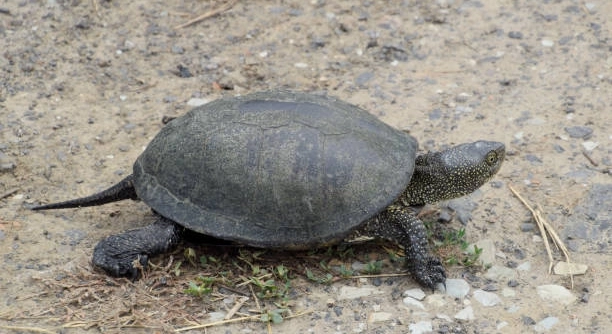
Musk turtles are popular pets, known for their playful nature and interesting behaviors. Like all reptiles, they need proper care to stay healthy. One concern that often arises is whether they can get sunburned, which is something all turtle owners should know.
Musk turtles, like many reptiles, can get sunburned if they are overexposed to direct sunlight without proper shelter. Sunburn can cause skin damage, leading to health problems. It’s important to provide them with shaded areas and regulate their sun exposure carefully.
To help protect your musk turtle from sunburn, we’ll cover simple steps you can take to ensure their safety. These tips will help you maintain their well-being and enjoy your time together without worry.
1. Why Sun Exposure Matters for Musk Turtles
Musk turtles, like other reptiles, rely on natural sunlight to regulate their body temperature and maintain healthy growth. However, too much exposure can cause harm. Their sensitive skin can burn easily, leading to painful blisters, and in some cases, long-term damage. Just as you would protect your own skin, it’s essential to offer your turtle proper shelter and shade. This becomes even more important if they spend time outdoors or near windows where the sun can be intense. While sunlight is vital, moderation is key to ensuring your musk turtle stays safe and healthy.
It’s not just about avoiding harm, but providing an environment that mimics nature. Sunlight provides essential UVB rays, which help turtles produce vitamin D3, a necessary nutrient for shell and bone health. Too little exposure can lead to metabolic bone disease, a common issue among indoor reptiles.
Overexposure can also lead to dehydration, causing further complications. That’s why it’s important to balance sun exposure and shade in their habitat. By setting up a controlled space, you allow your turtle to regulate how much sunlight it gets without risk of burns.
2. Creating the Right Environment
Your musk turtle’s living space should be carefully set up to manage sun exposure. Avoid direct sunlight in their tank, but make sure there’s a spot where they can bask under UVB lights.
A basking platform is essential. This gives your turtle a chance to enjoy the warmth of the sun while keeping their skin safe. It’s recommended to set up their basking area near a light source, ensuring it’s never too hot or too cold. If they’re outside, a shaded area with easy access to sunlight helps prevent overexposure.
Being mindful of their natural instincts, your musk turtle needs the option to move between shaded and sunny areas. A properly set-up habitat lets them decide where they feel most comfortable, ensuring their skin stays safe while they benefit from the necessary UV exposure.
3. Using UVB Lighting for Musk Turtles
Proper UVB lighting is crucial for musk turtles, especially if they’re kept indoors. It ensures they get the UVB rays they need for vitamin D3 production. Without it, they may suffer from health issues such as metabolic bone disease. Be sure to choose a high-quality UVB bulb made for reptiles, as standard lighting won’t provide the necessary wavelengths.
Position the light about 12-18 inches above the basking spot. Turtles need direct exposure to UVB rays, but they should have the option to move away if they feel it’s too much. Regularly replace the bulb as UVB output decreases over time, even if the light is still working.
Also, make sure the basking platform is positioned correctly. You want the light to cover the turtle’s entire body. Inadequate lighting can lead to deficiencies, so check the light’s output and its positioning often to ensure your turtle stays healthy and well-cared for.
4. Hydration and Shade
Musk turtles can easily get dehydrated if they’re exposed to too much sun. Always provide access to fresh water and a shaded area where they can retreat if they feel too hot.
Being able to submerge their bodies in water helps them cool off and stay hydrated. Alongside water access, adding plants or natural structures like logs and rocks provides extra shade, letting your turtle hide from direct sunlight when needed. A shaded spot can also prevent them from becoming stressed or overexposed.
When kept outdoors, make sure there’s a shaded area that your turtle can move into as it pleases. Consider using a small outdoor turtle pond with natural cover. This setup mimics their natural environment, giving them a better sense of security and control over their sun exposure.
5. Spotting Sunburn in Musk Turtles
Sunburn in musk turtles can appear as redness or blistering on their skin. If you notice any changes in their appearance, it’s important to address it right away. Severe cases can cause peeling or a leathery texture to the skin.
It’s easier to spot sunburn in turtles with lighter-colored skin, but all turtles can suffer from overexposure. If you see your turtle avoiding the basking area or acting unusually lethargic, sunburn might be the cause. Keep a close eye on their behavior. If you suspect sunburn, move them to a shaded area to recover.
6. Correct Temperature for Basking Areas
Ensure that your musk turtle’s basking area stays at the right temperature, typically between 85-90°F. If the basking spot is too hot, it can cause burns, while a too-cool spot can stress your turtle out. Using a thermometer can help you monitor the heat.
Musk turtles need a warm basking spot to help them digest food and absorb vitamin D3 from UVB light. However, without the proper temperature range, they might avoid basking altogether or become vulnerable to health problems. Be mindful of the temperature fluctuations to keep your turtle comfortable and safe.
7. Avoid Overexposure to Direct Sunlight
While natural sunlight is important, prolonged exposure can be harmful. Musk turtles should not be left in direct sunlight for extended periods, especially during the hottest parts of the day.
If you’re letting your turtle bask outside, always supervise them. Give them the option to move into shaded areas to escape the heat. You don’t need to worry about their sun exposure during cooler parts of the day, but be cautious about intense midday sun. Limit their direct sunlight time to reduce the risk of sunburn.
FAQ
Can musk turtles get sunburned indoors?
Yes, musk turtles can get sunburned indoors, especially if they are exposed to UVB lighting for too long without adequate shade. Proper lighting setup is crucial to prevent overexposure. Make sure their basking area is well-regulated and that they have the option to move out of the light if needed.
How much sun does a musk turtle need daily?
Musk turtles need about 10-12 hours of sunlight or UVB exposure per day. This helps them maintain healthy bones and shells. However, too much direct sunlight can cause them to overheat or get sunburned. Ensure they have both sunlight and shade available to regulate their exposure.
What should I do if my musk turtle gets sunburned?
If your musk turtle gets sunburned, immediately move it to a shaded area. Keep it hydrated and avoid further UV exposure until it heals. If the sunburn is severe, consult a vet for advice on proper treatment, which might include topical treatments for the burns or adjustments to its habitat.
How do I tell if my musk turtle has sunburn?
Signs of sunburn in a musk turtle include redness or darkening of the skin, blistering, or peeling. If your turtle seems lethargic, avoids basking, or acts unusually, these could be symptoms of sunburn. Always check for changes in behavior or skin texture after sun exposure.
Is it safe to take my musk turtle outside?
Yes, it is safe to take your musk turtle outside as long as you provide a shaded area for them to retreat to. Limit their time in direct sunlight, especially during the hottest parts of the day, and always supervise them to prevent overheating or sunburn.
How can I prevent sunburn while my turtle is outside?
To prevent sunburn, ensure your musk turtle has access to shaded areas at all times. You can use a small outdoor pond or a turtle enclosure that offers both sun and shade. Avoid letting them bask in direct sunlight for more than 30 minutes to an hour at a time, depending on the temperature.
Can I use a regular lamp for UVB lighting?
No, regular lamps do not provide the necessary UVB rays for your musk turtle. You need to use a special UVB bulb designed for reptiles. These bulbs help turtles synthesize vitamin D3, which is essential for bone health. Be sure to replace the bulb every 6-12 months, as the UVB output diminishes over time.
How can I set up a proper basking area for my musk turtle?
Set up a basking area that is dry, warm, and well-lit. The temperature should range from 85-90°F for optimal basking. Place a UVB bulb above the basking platform, making sure it’s positioned 12-18 inches away. Add plants or other structures for shade and hiding spots. This will create a comfortable, safe area for your turtle to enjoy.
How long can a musk turtle stay in direct sunlight?
A musk turtle should not be in direct sunlight for more than an hour at a time. This can vary depending on the temperature and the turtle’s access to shade. Always monitor them and ensure they have the ability to cool off if needed. Overexposure can lead to sunburn or dehydration.
What are the risks of sunburn for my musk turtle?
Sunburn in musk turtles can lead to skin damage, dehydration, and long-term health issues such as infections or weakened immunity. Severe sunburn can also affect their ability to regulate body temperature, causing stress and discomfort. It’s important to monitor your turtle’s exposure and provide proper care to avoid these risks.
Can I use a heat lamp and UVB bulb together?
Yes, using both a heat lamp and a UVB bulb is highly recommended for musk turtles. The heat lamp provides the necessary warmth for basking, while the UVB bulb offers the essential UVB rays. Ensure they are positioned correctly so your turtle can benefit from both without being exposed to excessive heat.
How often should I check my turtle’s skin for sunburn?
It’s a good idea to check your musk turtle’s skin regularly, especially after outdoor exposure or basking in UVB light. Look for signs of redness, blistering, or peeling. Early detection of sunburn can help prevent long-term damage and ensure a quicker recovery if necessary.
Can a musk turtle recover from sunburn?
Yes, musk turtles can recover from sunburn if the damage is not too severe. With proper care, hydration, and avoidance of further UV exposure, the skin will heal. If the sunburn is severe, a vet might recommend topical treatments to help soothe the burns and promote healing.
Final Thoughts
Musk turtles are delicate creatures that require careful attention to their environment, especially when it comes to sun exposure. Although they need UVB light to stay healthy, too much direct sunlight can lead to serious issues like sunburn. It’s important to find a balance that allows them to bask comfortably while also providing shade and areas to cool down. Properly managing their basking area temperature and UVB exposure is key to their well-being. By following the right precautions, you can help your musk turtle stay healthy and happy.
Taking care of a musk turtle means being vigilant about their environment. In addition to providing the proper lighting and basking areas, ensure your turtle has access to fresh water and a clean habitat. Sunburn can be easily prevented by monitoring the temperature of their basking spots and limiting their time in direct sunlight, especially during the hottest parts of the day. Small changes, such as offering shaded spots or adjusting the UVB light, can make a big difference in preventing sunburn. It’s also essential to regularly check their skin for signs of overexposure.
Remember that even though musk turtles are resilient, they depend on you to keep their living space safe. Providing the right care means ensuring they don’t get too much sun and that they have the option to regulate their body temperature. With a little effort, you can avoid common issues like sunburn and help your turtle thrive in its environment. Stay attentive, and don’t hesitate to consult a veterinarian if you’re ever unsure about their health.

Hello,
If you enjoy the content that we create, please consider saying a "Thank You!" by leaving a tip.
Every little bit helps us continue crafting quality advice that supports the health, happiness, and well-being of pets around the world, for pets of all shapes, sizes, and species.
We really appreciate the kindness and support that you show us!