
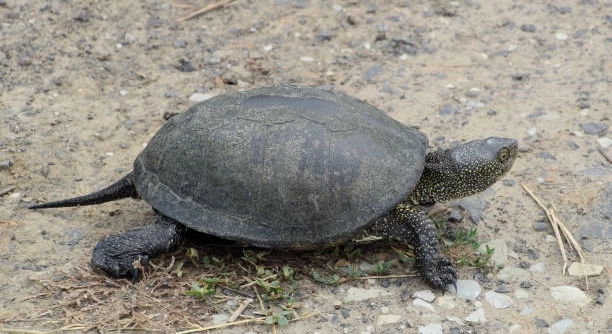
Musk turtles are fascinating creatures, often loved for their unique appearance and behaviors. But how much do we really know about their ability to swim? There’s a common question many turtle owners and enthusiasts wonder about: Can musk turtles drown?
Musk turtles, like other turtles, are generally excellent swimmers and do not drown easily. However, they can drown if they are unable to reach the surface for air, or if they are kept in water that is too deep or stagnant for long periods.
Understanding the conditions that could potentially harm your musk turtle is crucial for their safety and well-being. We’ll take a closer look at how to keep your turtle healthy and thriving in their aquatic environment.
How Musk Turtles Can End Up Drowning
Musk turtles are skilled swimmers, but that doesn’t mean they’re immune to danger. While they can stay underwater for long periods, they need to come up for air regularly. If they become trapped or stuck in an area where they can’t reach the surface, they risk drowning. This can happen in various situations, such as if they are placed in a tank with water that’s too deep or if they can’t find a safe place to rest. Musk turtles are also susceptible to stress, which may impact their ability to swim properly. The key to preventing drowning is to create an environment that allows them to thrive while ensuring they have easy access to air whenever needed.
A shallow tank with plenty of spaces for climbing out and resting is essential. You should always monitor their behavior closely, making sure that they are not struggling to reach the surface.
Setting up a safe tank for your turtle requires more than just the right water depth. Consider adding basking areas where your turtle can easily climb to get out of the water. Providing these spots helps prevent stress and ensures that your turtle can breathe comfortably when needed. Clean water is another factor to keep in mind, as stagnant or dirty water can make it harder for your turtle to find a way to breathe properly. Be sure to change the water regularly and keep the tank clean to minimize health risks.
Preventing Drowning in Musk Turtles
You can help reduce the risk of drowning by adjusting a few things in your turtle’s environment. A well-maintained tank is a crucial first step.
When setting up the ideal tank for your musk turtle, make sure it has enough water for swimming but not so much that it becomes overwhelming. Keeping the water shallow enough for them to easily climb out will give them a safe place to rest when they’re tired. Musk turtles are also prone to spending a lot of time resting, so giving them an area where they can catch their breath will be vital for their safety. Additionally, avoid keeping your turtle in a tank with fast-moving water, as this can be exhausting for them to navigate. With a few simple adjustments, you can ensure that your musk turtle stays healthy and safe.
Ideal Tank Setup for Musk Turtles
Creating the right tank setup is essential for keeping musk turtles safe. It should be big enough for them to move freely but not too deep, where they might struggle to reach the surface.
A tank depth of 4 to 6 inches is ideal for most musk turtles. It’s shallow enough for them to swim comfortably without being at risk of getting stuck or struggling to surface. Ensure that the tank also includes some areas that are dry, such as rocks or platforms, where they can rest and breathe without the constant need for swimming. The surface of the water should be clear, so they always have an easy path to get air when they need it. This setup reduces the chances of drowning and promotes a healthy environment for your turtle.
Ensure the water temperature stays within a comfortable range for your turtle. Typically, musk turtles thrive in water between 72°F and 78°F. It’s also important to have a filtration system that keeps the water clean, as dirty water can stress them and make it harder to breathe. Pay attention to the water’s quality by performing regular water changes and using a water testing kit to maintain proper levels. With the right tank setup, your turtle can enjoy a safe, healthy environment where it can thrive and avoid drowning risks.
How to Recognize Stress in Musk Turtles
Stress is a major factor that can affect the health of musk turtles, and it can impact their ability to swim and breathe.
A stressed-out turtle might swim erratically or spend excessive amounts of time near the water’s surface, struggling to breathe. They might also become less active, refusing to eat or hiding. Stress can be caused by several factors, including overcrowding, poor water quality, or not having enough space to rest. You should always keep an eye on your turtle’s behavior and look for any signs of stress. If your turtle seems agitated or is not behaving normally, it might be time to make some adjustments to its environment or routine.
Providing your turtle with the space it needs to feel secure is essential. Consider limiting the number of other tank mates to reduce stress from competition. Also, be sure to maintain a quiet environment around the tank, as loud noises can make them feel unsafe. Ensuring a regular feeding schedule and keeping the water clean will further support your turtle’s health and reduce stress-related problems. Creating a calm, secure environment will help your musk turtle thrive and prevent it from facing unnecessary stress that could lead to drowning.
Importance of Water Quality
Water quality plays a huge role in your musk turtle’s health. Poor water quality can cause stress, making it harder for them to swim or breathe.
To keep your turtle healthy, ensure the water is clean and properly filtered. A good filtration system helps remove waste and maintains clear water. Dirty or stagnant water can cause respiratory issues, making it difficult for your turtle to breathe properly. Regular water changes are essential to maintain the proper water conditions, ensuring your turtle can thrive in a safe environment.
Temperature Control in Your Turtle’s Habitat
The right water temperature is crucial for your musk turtle’s well-being. Too cold or too hot water can cause them distress and make it difficult for them to stay healthy.
A water temperature between 72°F and 78°F is ideal. If the water is too cold, your turtle may become sluggish and unable to swim properly. On the other hand, overly warm water can lead to stress and dehydration. You can use a water heater and thermometer to maintain a steady, comfortable temperature. This will ensure your turtle’s habitat is perfect for swimming, breathing, and overall health.
Feeding Your Musk Turtle Properly
A proper diet is crucial for your musk turtle’s health. If your turtle is undernourished, it may become weak, affecting its ability to swim properly.
Musk turtles need a balanced diet of protein, vegetables, and occasional fruits. Offering a variety of foods like fish, worms, and leafy greens will keep your turtle strong and energized. Be sure not to overfeed, as this can lead to health problems. A proper feeding routine will ensure your turtle stays healthy, helping it maintain the strength needed for swimming and preventing any complications with its lungs or breathing.
FAQ
Can musk turtles drown?
Musk turtles are capable swimmers, but they can drown if they cannot access the surface to breathe. Although they can stay underwater for a while, they need to surface regularly for air. If they’re kept in a tank that is too deep or lacking resting areas, they may struggle to reach the top. If they’re stuck in one spot for too long or don’t have enough space to swim and breathe, there’s a risk of drowning. It’s important to ensure that their tank setup has both water for swimming and dry areas where they can rest and breathe.
How can I tell if my musk turtle is stressed?
Signs of stress in musk turtles include erratic swimming, excessive hiding, lack of appetite, or spending too much time near the surface of the water. Stress may also manifest in behavior changes such as biting or acting unusually aggressive. Stress can be caused by overcrowded tanks, poor water conditions, lack of basking spots, or being around too much noise. It’s important to address any potential causes quickly to prevent the stress from harming your turtle’s health. Creating a calm, comfortable environment will help your turtle feel secure and relaxed.
What is the best way to clean my musk turtle’s tank?
Cleaning your musk turtle’s tank regularly is essential for keeping the water fresh and preventing bacteria or parasites. First, remove your turtle and any decorations or plants. Clean the tank using warm water and a soft cloth or sponge. Avoid using harsh chemicals that could harm your turtle. Replace the water and scrub any areas where algae have built up. Be sure to clean the filter regularly to keep the water clean and clear. A good rule of thumb is to perform a partial water change once a week and a full tank clean every month.
What temperature should my musk turtle’s water be?
Musk turtles thrive in water temperatures ranging from 72°F to 78°F (22°C to 26°C). If the water is too cold, they may become sluggish and less active, which could impact their overall health. On the other hand, water that’s too warm can cause stress and dehydration. Using a water heater and thermometer will help you maintain a consistent and ideal temperature. Additionally, ensure that the tank is not exposed to direct sunlight for long periods, as this can lead to temperature fluctuations that may stress your turtle.
How often should I feed my musk turtle?
Musk turtles should be fed a balanced diet about three times a week. Their diet should include a mix of protein sources such as worms, insects, and fish, along with vegetables like leafy greens. You can also offer occasional fruit as a treat. It’s important not to overfeed, as this can lead to obesity and health issues. Remove any uneaten food from the tank after feeding to keep the water clean. A regular feeding schedule will ensure your turtle gets the proper nutrition it needs for swimming and overall health.
Can musk turtles live with other turtles?
Musk turtles can live with other turtles, but care should be taken when introducing them to a new tank. Some turtles may become territorial and aggressive, especially when competing for food or basking spots. Ensure that the tank is large enough to provide plenty of space and resources for each turtle. Also, make sure the species you’re keeping together have similar care requirements in terms of water temperature, diet, and habitat conditions. Monitor the behavior closely to ensure that there are no signs of aggression or stress. If problems arise, you may need to separate them.
Do musk turtles need UVB lighting?
Yes, musk turtles need UVB lighting to help them metabolize calcium and maintain strong bones and a healthy shell. UVB lighting is crucial for preventing metabolic bone disease, which can occur if turtles do not receive enough UVB exposure. Ensure that your turtle has access to a basking area under the UVB light for about 10-12 hours a day. It’s important to replace UVB bulbs every 6-12 months, as their effectiveness decreases over time, even if the light still appears to be working. Providing proper lighting helps your turtle stay healthy and active.
How do I know if my musk turtle is sick?
Signs that your musk turtle may be sick include changes in appetite, lethargy, swollen eyes, difficulty swimming, or abnormal behavior. If your turtle is consistently hiding or not eating, it could indicate a health problem. Respiratory issues, such as wheezing, labored breathing, or discharge from the nose, may suggest an infection. A change in the shell, such as soft spots or discoloration, can also indicate health concerns. If you notice any of these symptoms, it’s important to consult with a veterinarian experienced with reptiles as soon as possible to get a proper diagnosis and treatment.
Can musk turtles climb out of their tank?
Musk turtles are good climbers and can escape from their tanks if there’s an easy route. They can climb smooth surfaces and may attempt to escape if they feel threatened or if the water quality is poor. To prevent escapes, make sure your tank has a secure lid or a barrier high enough that they can’t climb over. Additionally, create an environment that keeps them content, with plenty of space to swim, bask, and explore. If you provide them with a comfortable habitat, they’re less likely to try to escape in the first place.
How do I keep my musk turtle’s shell healthy?
A healthy shell is important for your musk turtle’s overall health. To keep their shell in good condition, provide a clean environment, ensure proper UVB lighting, and feed a balanced diet with adequate calcium. Avoid keeping your turtle in overly dry or excessively wet conditions. Also, allow your turtle to bask regularly to dry off its shell and promote healthy growth. If your turtle’s shell becomes soft, discolored, or begins to show signs of damage, it may be a sign of poor nutrition or environmental issues. Addressing these factors promptly will help keep your turtle’s shell strong and healthy.
Final Thoughts
Musk turtles are relatively easy to care for, but it’s important to set up the right environment to ensure their safety and well-being. With proper care, these turtles can thrive in your home for many years. A key factor in preventing drowning is providing a suitable tank with the right depth and access to dry areas where your turtle can rest. This setup allows them to easily reach the surface for air whenever they need it. It’s also crucial to pay attention to the water quality and temperature, as these elements play a large role in keeping your turtle healthy.
By monitoring your turtle’s behavior and creating a stress-free environment, you can prevent many common health problems. If you notice signs of stress, such as erratic swimming or lack of appetite, it’s important to address the issue immediately. Ensure that your turtle has enough space in the tank, clean water, and a proper basking area. Regularly cleaning the tank, changing the water, and feeding your turtle a balanced diet will also contribute to its health and well-being. Keeping an eye on these factors will help ensure your turtle stays active, healthy, and safe from drowning risks.
Taking the time to understand your musk turtle’s needs and providing them with the right habitat can lead to a happy, thriving pet. Musk turtles are not high-maintenance pets, but they do require attention to detail in their care. With the right setup, they can live for many years and enjoy their time swimming and basking. Ultimately, creating the best possible environment for your turtle will make all the difference in their health and happiness.

Hello,
If you enjoy the content that we create, please consider saying a "Thank You!" by leaving a tip.
Every little bit helps us continue crafting quality advice that supports the health, happiness, and well-being of pets around the world, for pets of all shapes, sizes, and species.
We really appreciate the kindness and support that you show us!