
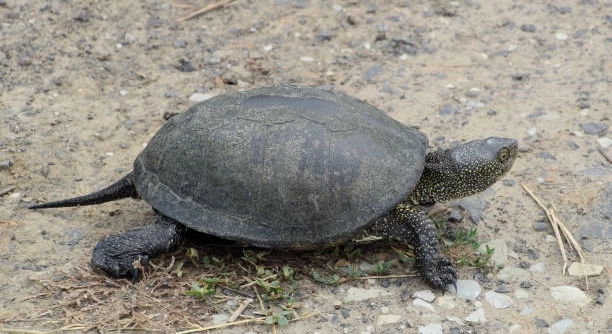
Musk turtles are delightful creatures that enjoy a peaceful existence. However, they benefit from additional stimulation to thrive and avoid boredom. Adding enrichment activities to their environment helps keep them engaged and promotes healthy, natural behaviors.
Introducing enrichment activities to musk turtles involves providing them with opportunities to explore, forage, and interact with their surroundings. By incorporating items like floating platforms, plants, and safe objects, you can boost their mental and physical well-being.
Enrichment activities can improve your turtle’s overall happiness and health. Learn how to create a more stimulating and enjoyable environment for your musk turtle with simple yet effective ideas.
1. Floating Platforms for Musk Turtles
Musk turtles love to bask, and floating platforms make this behavior easier for them. These platforms simulate their natural habitat, allowing them to climb out of the water and rest. You can place a simple floating dock or use a large rock that allows them to bask in sunlight or under a heat lamp. These platforms should be sturdy enough to support their weight, providing a safe resting spot above the water. Adding one or two will help encourage natural behaviors such as climbing, basking, and resting.
Floating platforms not only give your musk turtle a place to relax but also offer more room to move around. These setups keep your turtle engaged and help prevent stress from cramped spaces.
When choosing the right platform, make sure it’s easy to clean and maintain. A proper platform setup will keep your turtle’s environment more dynamic, reducing the risk of boredom and ensuring your pet stays healthy.
2. Enriching the Environment with Plants
Adding live or fake plants to your turtle’s tank is a great way to give them more places to hide and explore. Plants help mimic a natural environment, making your turtle feel more secure and engaged. It’s essential to pick plants that are safe for your turtle and easy to maintain. Avoid sharp-edged plants that may cause injury.
Plants can also encourage your turtle to forage, as they naturally interact with them in the wild.
Live plants not only improve the aesthetics of the tank but also help filter the water, keeping it cleaner for longer. Additionally, hiding spots within the plants can help your turtle feel safe, reducing anxiety. Keep in mind that some plants may require additional care or sunlight, so choose varieties that match the tank’s conditions.
3. Substrate for Digging and Exploration
Musk turtles enjoy digging and exploring their surroundings. Adding a soft substrate to the tank, like sand or aquarium-safe gravel, gives them the opportunity to express these natural behaviors. This setup encourages them to search for food or even create small burrows.
Ensure the substrate is shallow enough to allow the turtle to move freely without feeling trapped. A deeper substrate could make cleaning more difficult, so balance is key. You can also combine sand with a bit of soil to create a more varied texture.
Adding substrate also allows for better hydration and promotes a more comfortable environment. Since turtles are semi-aquatic, they enjoy having access to dry areas where they can dig or burrow. With the right depth, substrate can also help maintain water quality, reducing debris and waste accumulation.
4. Toys and Objects to Stimulate the Senses
Introduce simple, safe toys and objects to your turtle’s environment. Floating toys or submerged items like rocks or small tunnels encourage them to interact and explore. You can also use objects that move with the water flow to capture your turtle’s attention.
Toys are not just for fun; they also help keep your turtle physically active. Musk turtles may push around objects or swim through tunnels, stimulating their natural curiosity and problem-solving skills.
Rotating toys or moving objects regularly ensures your turtle remains engaged, avoiding monotony. Make sure any toys added are safe and won’t break apart, as small pieces could pose a choking hazard.
5. Hiding Spots for Security
Musk turtles appreciate having places to hide. Adding rocks, caves, or other objects creates hiding spots where they can feel safe and reduce stress. These spaces allow them to rest or escape from any perceived threats.
You can also use plants and decorations to add extra layers of hiding spots, helping your turtle feel more secure.
Ensuring the hiding spots are easy to access and don’t trap the turtle is essential. Keep them clean and free of debris to maintain a healthy environment.
6. Feeding Enrichment
Offer your musk turtle a variety of foods in different ways to keep them active. You can scatter food around the tank or use feeding toys that make the turtle work for its meal. This type of enrichment encourages natural foraging behavior.
Changing up the feeding routine prevents your turtle from getting bored. By using floating or sinking food, you provide mental stimulation as they chase or dive for their meal.
It’s essential to keep feeding time exciting while maintaining a balanced diet to ensure your turtle’s overall health and wellness.
7. Interaction with Owners
Regular interaction can be an enriching experience for musk turtles. Gently offering your hand or hand-feeding treats helps your turtle get used to human presence. Over time, this builds trust and keeps your turtle more comfortable.
However, avoid over-handling, as too much contact may stress your turtle.
FAQ
What are the best enrichment activities for musk turtles?
The best enrichment activities for musk turtles include providing floating platforms, plants, safe toys, and hiding spots. Substrate for digging, rotating feeding methods, and occasional interaction with their owners also promote physical and mental stimulation. Regular changes in their environment keep them curious and active.
How can I make my musk turtle’s tank more interesting?
To make your musk turtle’s tank more interesting, try adding decorations like rocks, caves, and plants that mimic natural habitats. Provide different textures and hiding spots where your turtle can feel secure. Consider adding safe toys that float or create water movement, which keeps your turtle engaged.
Can musk turtles play with toys?
Yes, musk turtles can play with toys. Floating toys, tunnels, or even objects that move with the water will attract their attention. These toys can stimulate their curiosity and help keep them physically active. Ensure the toys are safe, without sharp edges or small parts that could be swallowed.
Do musk turtles need enrichment?
Yes, musk turtles do need enrichment. Without mental and physical stimulation, they may become bored, stressed, or even unhealthy. Enrichment activities like offering hiding spots, different feeding methods, and adding objects for exploration help maintain their well-being and promote natural behaviors like basking, swimming, and foraging.
What kind of plants should I add to my musk turtle’s tank?
You can add live or fake plants to your musk turtle’s tank. Live plants such as anubias, java fern, or hornwort are good choices because they thrive in aquatic environments and are safe for turtles. If using artificial plants, ensure they’re made from non-toxic materials and don’t have sharp edges that could harm your turtle.
Can I use sand in my musk turtle’s tank?
Yes, sand can be used in a musk turtle’s tank as a substrate, but it should be shallow enough to avoid difficulties with cleaning or potential health issues. Use fine, aquarium-safe sand and ensure it’s cleaned regularly to avoid bacteria build-up. Some turtles may also ingest sand, which can cause digestive issues, so monitor their behavior.
How do I make feeding more enriching for my musk turtle?
To make feeding more enriching, scatter the food around the tank or use feeding toys that make your turtle search for their meal. You can also offer different types of food, including aquatic plants, insects, and specially formulated pellets, to keep them interested and provide variety in their diet.
How often should I change my musk turtle’s environment?
You don’t need to change your musk turtle’s environment constantly, but occasional updates to the tank setup are helpful for mental stimulation. This might include rearranging decorations, changing the substrate, or adding new plants. Changing things up every couple of months will keep your turtle curious and engaged.
Can I handle my musk turtle for enrichment?
Gentle handling of your musk turtle can be an enriching experience if done correctly. Hand-feeding or interacting with your turtle helps them become more accustomed to human presence, fostering trust. However, avoid excessive handling as it may cause stress. Let your turtle decide when to engage.
What should I do if my musk turtle seems bored?
If your musk turtle seems bored, it may be a sign that its environment needs more enrichment. Try adding new objects, rearranging decorations, or incorporating feeding enrichment methods. You can also increase interaction by providing new activities for your turtle to explore. Keep their tank clean and regularly updated to avoid a stagnant environment.
How do I keep my musk turtle’s tank clean while providing enrichment?
Keeping a clean tank while providing enrichment can be challenging but manageable. Opt for substrates like sand that are easy to clean and avoid deep layers. Regularly remove waste, uneaten food, and debris. Additionally, use a high-quality filtration system and perform regular water changes to maintain the health of the tank.
Can I add multiple musk turtles to the same tank?
Adding multiple musk turtles to the same tank is possible, but it requires careful consideration. Turtles are territorial, so ensure the tank is large enough to allow each turtle to have its space. Keep an eye out for signs of aggression and ensure there are enough basking spots, hiding places, and food sources to reduce competition.
Do musk turtles need UVB lighting?
Yes, musk turtles need UVB lighting for proper shell growth and overall health. UVB light helps them synthesize vitamin D3, which is essential for calcium absorption. Make sure the tank has a high-quality UVB light bulb that’s on for about 10-12 hours per day. Replace the bulb regularly, as its UVB output decreases over time.
How can I tell if my musk turtle is stressed?
Signs of stress in musk turtles include reduced activity, lack of appetite, hiding more than usual, or aggressive behavior. Stress can be caused by poor tank conditions, overcrowding, or sudden changes in their environment. To reduce stress, ensure their tank is spacious, clean, and provides proper enrichment and hiding spots.
Final Thoughts
Providing enrichment activities for your musk turtle is essential for their well-being. Turtles are naturally curious creatures, and without the right stimulation, they can become bored, stressed, or even develop health issues. Simple additions to their environment, like floating platforms, hiding spots, plants, and toys, can make a significant difference in their daily life. It’s about creating a space where your turtle feels safe, engaged, and able to express natural behaviors. The more you make their habitat stimulating, the more they will thrive.
Keeping your musk turtle’s tank clean and organized while offering enrichment can be a balancing act. However, it’s worth the effort to ensure their environment supports both their physical and mental health. Regularly rotating toys, changing the tank layout, or offering varied feeding routines can help keep things fresh for your turtle. Remember to keep their needs in mind—safe, clean, and comfortable surroundings will always be the foundation. By gradually introducing new items or experiences, you can foster a happy and active turtle who enjoys their home.
The key to enriching your musk turtle’s life lies in small but meaningful changes. You don’t need to overwhelm them with constant additions, but rather provide thoughtful, safe, and enjoyable ways for them to explore their surroundings. Your turtle will benefit from a balanced environment where they can interact with their habitat, forage for food, and even bond with you in a calm and controlled way. With patience and care, you can create an environment that supports their natural instincts and keeps them healthy for years to come.

Hello,
If you enjoy the content that we create, please consider saying a "Thank You!" by leaving a tip.
Every little bit helps us continue crafting quality advice that supports the health, happiness, and well-being of pets around the world, for pets of all shapes, sizes, and species.
We really appreciate the kindness and support that you show us!