
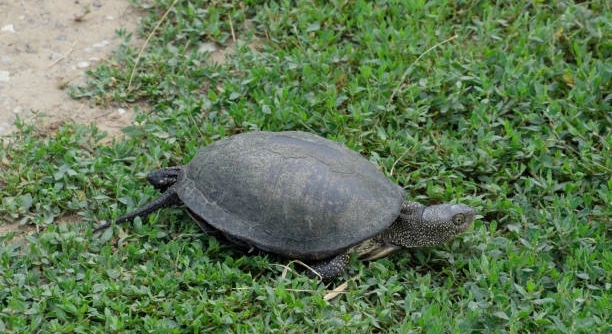
Musk turtles are fascinating creatures, often overlooked in the world of reptiles. Known for their distinct appearance and behaviors, they belong to a unique group of freshwater turtles. Yet, there are several musk turtle species that are not as well-known.
There are seven musk turtle species that are relatively obscure in the world of reptiles. These turtles are often overshadowed by more famous species, yet they are just as interesting and important to study in the field of herpetology.
Each species has its own quirks, from its habitat preferences to its feeding habits. There’s more to these small, aquatic turtles than meets the eye. Let’s explore the unique characteristics of these seven lesser-known musk turtle species.
Eastern Musk Turtle (Sternotherus odoratus)
The Eastern Musk Turtle, commonly called the “stinkpot,” is one of the most recognizable species in North America. These small turtles are known for the strong odor they release when threatened, hence their nickname. Found in slow-moving rivers, ponds, and swamps, they have a preference for muddy waters. Despite their size, they are quite capable swimmers. The Eastern Musk Turtle can grow up to 5 inches in length and typically spends most of its time hiding under rocks or submerged in the water. They also have a unique habit of floating with only their head exposed, making them look like little “waterlogged” logs.
This turtle prefers warm, shallow areas where they can easily find their food. Their diet consists mainly of aquatic insects, snails, and algae. They have a rather slow metabolism, so they don’t require much food but will happily eat when they find it. It’s easy to miss them in the wild, thanks to their camouflage and tendency to hide.
The Eastern Musk Turtle is considered a species of least concern, but their habitats are at risk due to pollution and habitat destruction. Conservation efforts are vital to maintaining their populations in the wild. Though not endangered, their future depends on the protection of their natural environments.
Western Musk Turtle (Sternotherus leucostomus)
The Western Musk Turtle is a close relative to the Eastern Musk Turtle. These turtles live in areas across the Midwest and Southern United States. They enjoy environments such as small rivers and sluggish streams, often hiding among vegetation or submerged debris. Known for their ability to tolerate lower oxygen levels, they are well-adapted to areas with poor water quality.
They feed primarily on aquatic invertebrates, and their small size makes them agile and efficient hunters. The Western Musk Turtle’s ability to thrive in these conditions makes it a fascinating species. However, it is important to keep in mind that this species can also be affected by the degradation of their freshwater habitats.
Loggerhead Musk Turtle (Sternotherus minor)
The Loggerhead Musk Turtle is smaller than most other musk turtles, growing to about 4.5 inches in length. It is mostly found in the southeastern United States, living in rivers and creeks. This turtle has a distinct, large head with a strong jaw capable of crushing snails and other hard-shelled prey.
This turtle prefers slow-moving water, where it can find its primary food: snails, crustaceans, and small fish. Its large head and strong bite make it well-equipped for feeding on snails, which many other turtles find difficult to manage. Loggerhead Musk Turtles are often spotted in shallow waters where they remain largely submerged.
They are also known for their ability to tolerate low-oxygen environments. Although their numbers are stable, the health of their habitat remains a critical factor for their future. Pollution and habitat loss could affect their population. Maintaining clean, healthy rivers and streams is crucial for the Loggerhead Musk Turtle’s survival.
Alabama Musk Turtle (Sternotherus albifrons)
The Alabama Musk Turtle is a rare species, native to Alabama and parts of Georgia. It is found in freshwater habitats like rivers, swamps, and ponds. It’s known for its unique appearance, including a relatively small, domed shell and a white mark on its head.
This turtle prefers clear, clean waters and typically hides among aquatic vegetation or submerged objects to avoid predators. They are omnivorous, feeding on plants, small invertebrates, and occasionally fish. The Alabama Musk Turtle is a slow-moving species and spends much of its time in shallow water, where it can easily find food and shelter.
Their habitats, however, are increasingly at risk due to urban development and pollution. Efforts to protect the Alabama Musk Turtle are necessary, as they are listed as a species of concern. Conserving their native habitats is vital for ensuring their survival.
Stinkpot Musk Turtle (Sternotherus odoratus)
The Stinkpot Musk Turtle is another name for the Eastern Musk Turtle. It gets its nickname from the strong odor it releases when threatened. These turtles are small, averaging around 5 inches in length, and are commonly found in slow-moving waters such as ponds and swamps.
Known for their secretive nature, they tend to stay hidden beneath rocks or aquatic plants. They feed primarily on insects, snails, and small fish. Their preference for murky, stagnant waters allows them to avoid predators easily, although they still face threats from habitat destruction and water pollution.
Southern Musk Turtle (Sternotherus carinatus)
The Southern Musk Turtle is native to the southeastern United States. This species is typically found in shallow, slow-moving streams and ponds. It is slightly larger than other musk turtles, growing to about 5 inches in length, and can be recognized by its smooth, dark shell and long claws.
This turtle spends much of its time on the bottom of its habitat, hunting for food like snails, insects, and small aquatic plants. The Southern Musk Turtle is known for its agility and ability to navigate through dense vegetation. However, this species is still vulnerable to habitat loss and water pollution.
Yucatán Musk Turtle (Staurotypus triporcatus)
The Yucatán Musk Turtle is found only in the Yucatán Peninsula, making it one of the more unique musk turtle species. This species is slightly larger, growing up to 7 inches in length, and lives in freshwater lagoons and rivers. Known for its striking appearance, the Yucatán Musk Turtle has a large, domed shell and a long, pointed snout.
This turtle is an excellent swimmer and thrives in calm, shallow waters with abundant vegetation. It feeds on a variety of plants, insects, and small invertebrates. Despite its resilience, the Yucatán Musk Turtle faces threats from the destruction of its freshwater habitats and over-collection for the pet trade.
FAQ
What is the lifespan of a musk turtle?
Musk turtles, depending on the species, can live up to 20-30 years in the wild. They typically grow slowly and reach maturity between 4 to 6 years of age. In captivity, with proper care, their lifespan can be extended further. Their longevity is influenced by factors such as diet, habitat quality, and absence of predators.
What do musk turtles eat?
Musk turtles are omnivores, meaning they eat both plants and animals. Their diet usually includes small invertebrates like snails, insects, and crustaceans, as well as aquatic plants and algae. Some species may also consume small fish. They are opportunistic feeders, often eating whatever they can find in their aquatic environment.
Can musk turtles be kept as pets?
Yes, musk turtles are often kept as pets, but they require specific care. They need a spacious tank with clean water and a basking area. The temperature should be regulated to suit their natural environment, and they require a proper diet of both plant and animal matter. Regular cleaning and maintenance of their tank are necessary to ensure their health.
Are musk turtles good pets for beginners?
Musk turtles can be a good choice for beginner reptile owners, but they do require attention. They need a proper aquatic setup, including filtration for clean water, and a basking area for warmth. They are low-maintenance compared to some other reptiles, but they should still be monitored closely for health issues.
Do musk turtles hibernate?
Yes, some species of musk turtles hibernate, or enter a state of dormancy, during the colder months. This is particularly common in regions where temperatures drop significantly. During hibernation, they become less active and may burrow into the mud or debris at the bottom of the water. In warmer climates, musk turtles may remain active year-round.
How often should I feed my musk turtle?
Musk turtles are not demanding eaters, but they still need a regular feeding schedule. It’s typically recommended to feed them 2-3 times a week, offering a variety of foods such as aquatic plants, small insects, and commercial turtle pellets. Young turtles need more frequent feedings than adults, and their food intake should be monitored to prevent overfeeding.
What size tank does a musk turtle need?
For one musk turtle, a 30-gallon tank is usually the minimum recommended size. However, larger tanks are better, especially if you plan to keep more than one turtle. The tank should be filled with clean water, with a filtration system in place. Musk turtles also require a basking spot, so a tank with both water and a dry area for them to rest is essential.
What temperature should a musk turtle’s tank be?
Musk turtles thrive in temperatures between 75-80°F (24-27°C) for the water and around 85-90°F (29-32°C) for the basking area. A heat lamp or heat pad can be used to maintain the proper temperature in the basking area. It’s important to monitor the temperature regularly to prevent extremes that could stress the turtle.
Do musk turtles need UVB lighting?
Yes, musk turtles need UVB lighting, especially if they are kept indoors. UVB light helps them synthesize vitamin D3, which is essential for calcium absorption and shell health. It is crucial to provide UVB lighting for 10-12 hours a day, which simulates the natural sunlight they would get in the wild.
Can musk turtles live with other turtles?
Musk turtles can live with other turtles, but it depends on the species. Some musk turtles are territorial and may become aggressive, especially when food is involved. It’s important to monitor their behavior and ensure they have enough space in the tank. If you’re housing multiple turtles, be sure they are compatible in size and temperament.
What are the common health issues for musk turtles?
Musk turtles can face a variety of health issues, including shell rot, respiratory infections, and parasites. Shell rot is often caused by poor water conditions or injury. Respiratory infections are common when the water temperature is too cold, or if the turtle is stressed. Regular tank maintenance, proper water temperature, and a balanced diet help prevent many health problems.
Can musk turtles be released into the wild?
It’s not recommended to release a pet musk turtle into the wild unless it’s part of a structured conservation effort. Releasing pet turtles can introduce non-native species into ecosystems, which may harm local wildlife. If you need to rehome a musk turtle, consider finding a rescue organization or another experienced pet owner.
Do musk turtles need to be kept in groups?
Musk turtles do not need to be kept in groups. They are generally solitary animals and prefer to have their own space. While they can tolerate being housed with other turtles, it’s often best to keep them alone to reduce the risk of aggression or stress.
What is the best way to clean a musk turtle’s tank?
Cleaning a musk turtle’s tank regularly is essential to prevent illness and maintain good water quality. Start by removing any uneaten food, waste, and debris. Use a water vacuum to clean the substrate, and replace about 20-30% of the water every week. Clean the filter every month and scrub the tank walls if needed.
How can I tell if my musk turtle is sick?
Signs of illness in a musk turtle can include lack of appetite, lethargy, swollen eyes, or a soft shell. If your turtle is having trouble swimming or appears to be hiding excessively, it may be unwell. If you notice these symptoms, it’s important to take your turtle to a vet specializing in reptiles for a diagnosis.
Can I breed musk turtles in captivity?
Yes, musk turtles can be bred in captivity, though it requires careful planning and attention. The conditions should mimic their natural habitat, with a temperature gradient, access to UVB lighting, and ample space. Female turtles will often lay eggs, which will need to be incubated under specific conditions. Breeding musk turtles can be challenging, so it’s important to research and prepare thoroughly before attempting it.
Final Thoughts
Musk turtles are fascinating creatures with unique behaviors and traits that make them stand out in the world of reptiles. While some species, like the Eastern Musk Turtle, are commonly known, many others remain under the radar. Despite their smaller size and often hidden lifestyles, these turtles play an important role in their ecosystems. They help control insect populations and contribute to maintaining the balance of aquatic environments. Understanding these turtles, their habits, and their needs is key to ensuring they continue to thrive.
Though they are generally hardy animals, musk turtles require specific care, especially if kept as pets. Providing them with clean water, the right temperature, and appropriate food is essential to keeping them healthy. Their habitat needs, such as access to both water and a basking area, should never be overlooked. For those interested in keeping musk turtles as pets, it is important to do thorough research to make sure the environment meets their needs. Proper care will not only ensure a long and healthy life for the turtle but also a rewarding experience for the owner.
Conservation efforts also play a critical role in the future of musk turtles. Many species face threats from habitat destruction, water pollution, and over-collection for the pet trade. Protecting the natural environments where these turtles live is vital to their survival. Whether you’re interested in keeping them as pets or simply learning about them, supporting habitat conservation efforts and raising awareness can help ensure that musk turtles continue to exist in the wild for generations to come.

Hello,
If you enjoy the content that we create, please consider saying a "Thank You!" by leaving a tip.
Every little bit helps us continue crafting quality advice that supports the health, happiness, and well-being of pets around the world, for pets of all shapes, sizes, and species.
We really appreciate the kindness and support that you show us!