
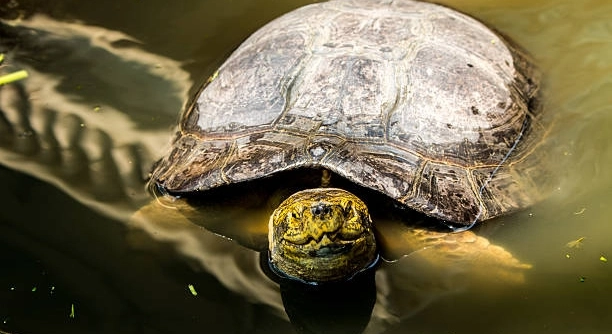
Musk turtles are popular pets, but sometimes they can make strange sounds, like hissing. If you’ve noticed this, you might be wondering what’s causing it.
Hissing in musk turtles is usually a sign of stress, fear, or discomfort. It may also happen when they feel threatened or need space. Understanding the causes can help in addressing the issue and improving their environment.
There are various reasons behind a musk turtle’s hissing, including handling, water conditions, or even health issues. Keep reading to learn more about what might be going on with your pet.
1. Stress and Fear: Common Triggers for Hissing
Musk turtles can hiss when they feel stressed or scared. They are naturally shy animals, and sudden movements or loud noises can startle them. If you’re handling them, they may react by hissing to let you know they want to be left alone. Stressful situations like being moved to a new tank or being in an environment that feels unsafe can also cause this behavior. It’s important to give your turtle some space if it’s acting fearful, as forcing contact could make the situation worse.
When stress occurs, your turtle might become more defensive. They might also start swimming frantically or hiding in the corners of their tank. All of these behaviors are their way of dealing with fear. In these moments, providing a calm environment with proper lighting, temperature, and hiding spots can help.
Understanding what triggers your turtle’s stress can help reduce the hissing. Being gentle and patient while handling them is key to keeping their stress levels down.
2. Poor Water Conditions: A Hidden Issue
Water quality is crucial for musk turtles.
If the water in their tank isn’t clean, it can lead to stress and discomfort. Poor water conditions, such as dirty water or improper temperature, can cause a turtle to feel unwell and react by hissing. Make sure to change the water regularly and monitor the temperature to keep it within the proper range for your turtle’s species.
Besides water cleanliness, the pH levels and water hardness also play a role. High levels of toxins or unbalanced water chemistry can make your turtle feel uneasy, causing them to retreat into their shells or hiss. It’s essential to maintain a good water filtration system and check the water regularly to ensure it is safe for your turtle. Adding a good filtration system and performing regular water changes will go a long way in preventing hissing due to water-related stress.
3. Handling and Overhandling: The Impact on Your Turtle
Turtles are sensitive creatures, and overhandling them can lead to stress. If you pick up your musk turtle too often or handle it roughly, it can start to feel threatened. This stress can cause your turtle to hiss as a warning to back off. Even if your intentions are good, constant touching may not be what your turtle needs.
Be mindful of how you handle your turtle. When interacting with them, it’s best to be gentle and give them time to acclimate. Holding them for too long can overwhelm them, especially if they’re not used to frequent contact. Also, it’s important to allow your turtle to explore its environment without constantly disturbing it.
To avoid stressing your turtle, limit how often you handle it. Instead, try creating a peaceful environment where your turtle can feel comfortable and safe without feeling threatened.
4. Health Problems: A Possible Cause of Hissing
A hissing sound could signal a health issue.
If your turtle is in pain, it may hiss as a response to physical discomfort. Illnesses such as respiratory infections, shell injuries, or digestive issues can make a turtle feel unwell. If your turtle’s behavior changes or you notice signs of sickness, it’s important to visit a veterinarian for a check-up.
Sometimes, a change in their eating habits or sluggishness can be a sign they are not feeling well. In these cases, a hissing noise may be just one of the signs that something is wrong. When a turtle is dealing with an infection or injury, it will try to express discomfort, and hissing can be one way to do so. If you’re unsure, always consult with a vet for advice.
Making sure your turtle’s health is in check is important for their overall well-being. If they’re hissing regularly without a clear reason, don’t ignore it.
5. Inadequate Tank Space: How It Affects Your Turtle
A cramped tank can lead to stress and hissing. Musk turtles need enough space to move around comfortably. If the tank is too small, your turtle may feel trapped and unable to escape from stressors. This lack of space can lead to defensive behaviors like hissing.
Ensure your turtle’s habitat is large enough for them to roam, swim, and find hiding spots. Having enough space helps them feel secure, which reduces anxiety and hissing. Also, make sure there are areas in the tank where they can retreat and rest undisturbed.
6. Environmental Factors: Lighting and Temperature
The temperature and lighting in your turtle’s tank are crucial for its comfort.
If the water is too warm or too cold, your turtle may become stressed and react by hissing. A basking spot with appropriate lighting is also important for your turtle’s overall health. Make sure your tank mimics their natural environment, with areas of shade and warmth.
Proper lighting also helps regulate their internal clock, which reduces stress. It’s important to keep the temperature in check by using heaters and UVB bulbs to maintain the correct environment. When all of this is balanced, your turtle will feel more comfortable and less likely to hiss.
7. Natural Instincts: Hissing as Communication
Hissing is part of your turtle’s natural defense mechanism.
Musk turtles are naturally shy and use hissing as a way to warn off threats. This sound is a form of communication to let others know they feel threatened. It’s not necessarily a sign of aggression, but more of a way to protect themselves from perceived danger.
This instinctive behavior is often triggered when they are approached too quickly or unexpectedly. When handling your turtle, approach slowly and gently to avoid startling them and triggering this defense response. Understanding that hissing is a protective measure can help you respond appropriately.
FAQ
Why does my musk turtle hiss when I try to pick it up?
Musk turtles hiss when they feel threatened or stressed. When you try to pick them up, they may perceive it as a danger or disturbance. This is a defense mechanism, and it’s their way of warning you to back off. Handling them too often or roughly can make them anxious. It’s important to approach your turtle slowly, giving it time to feel comfortable with your presence. Also, limit handling to reduce stress and avoid triggering the hissing.
Is it normal for a musk turtle to hiss at me?
Yes, it is completely normal for musk turtles to hiss. This behavior is part of their natural instincts. Hissing is often a sign that your turtle is feeling stressed, frightened, or uncomfortable. Musk turtles are naturally shy and prefer to keep to themselves. When they hiss, they are communicating that they need space. Giving them a quiet and calm environment helps reduce this behavior.
How can I stop my musk turtle from hissing so much?
The best way to reduce hissing is by creating a calm, stress-free environment for your turtle. Avoid overhandling and sudden movements. Make sure their tank is large enough, with plenty of places to hide and swim. Maintaining clean water and keeping the temperature in check also helps them feel secure. By meeting your turtle’s physical and emotional needs, you’ll encourage a more relaxed demeanor.
Can hissing be a sign that my musk turtle is sick?
Hissing could be a sign that your musk turtle is in pain or discomfort, which could indicate an illness. If your turtle is hissing more than usual, it’s important to look for other signs of sickness, such as lethargy, loss of appetite, or unusual swimming patterns. If you suspect your turtle is ill, it’s best to consult a veterinarian who specializes in reptiles. A proper diagnosis will ensure they get the right treatment.
What temperature should my musk turtle’s tank be to prevent hissing?
Musk turtles require a warm environment to feel comfortable. The water temperature in their tank should range between 75°F and 80°F, while the basking area should be around 85°F to 90°F. If the temperature is too high or too low, your turtle may feel stressed and could start hissing. Use a reliable aquarium heater and thermometer to monitor the temperature and make adjustments as needed.
Do musk turtles hiss when they are scared?
Yes, musk turtles often hiss when they feel scared or threatened. It’s their way of defending themselves against what they perceive as danger. Sudden movements, loud noises, or being handled roughly can startle your turtle and trigger this response. Being gentle and slow in your interactions will help reduce fear and minimize hissing. Additionally, providing hiding spots in their tank gives them a sense of security.
Can poor water quality cause my musk turtle to hiss?
Yes, poor water quality is one of the leading causes of stress in musk turtles. Dirty or improperly filtered water can cause discomfort and lead to hissing. It’s important to clean the tank regularly and monitor water parameters, such as pH and ammonia levels. The water should be kept at a proper temperature and should be changed frequently to ensure your turtle’s health and comfort.
How do I know if my musk turtle is hissing because of illness or stress?
If your turtle is hissing only when approached or handled, it’s most likely a sign of stress or fear. However, if the hissing is accompanied by signs of illness such as lethargy, loss of appetite, or difficulty breathing, it could be a sign of a health issue. Pay attention to any other behavioral changes. If you’re unsure, a vet check-up is recommended to rule out any health problems.
Why does my musk turtle hiss when it’s alone in its tank?
Musk turtles are solitary animals, but they can still hiss if they feel stressed or uncomfortable in their environment. If your turtle is hissing when it’s alone, it could be due to factors such as inadequate space, poor water quality, or improper tank conditions. Check for any environmental factors that may be causing discomfort, such as extreme temperatures, dirty water, or a lack of hiding spots. Making improvements in these areas can help your turtle feel safer.
Should I be worried if my musk turtle hisses often?
While occasional hissing is normal, if your turtle hisses frequently or exhibits other signs of distress, it could be a cause for concern. Stress, fear, or discomfort are the most common reasons, but it could also indicate an underlying health issue. If you notice any drastic changes in behavior, like lethargy or changes in appetite, a visit to the vet is recommended. Regular maintenance of the tank environment can help prevent excessive stress and reduce hissing.
Final Thoughts
Understanding why your musk turtle hisses can help you create a better environment for it. Hissing is a natural response, often caused by stress, fear, or discomfort. As a pet owner, it’s essential to be aware of what might trigger this behavior. Whether it’s from handling, poor water quality, or inappropriate tank conditions, addressing these issues can reduce stress for your turtle and create a more comfortable habitat for it. By paying attention to their needs and providing a calm, secure space, you can prevent unnecessary hissing and improve your turtle’s overall well-being.
Taking care of your turtle’s environment is key to avoiding frequent hissing. Ensure that the water is clean, the temperature is stable, and the tank is large enough for your turtle to move freely. It’s also important to give your turtle plenty of hiding spots, where it can retreat when it feels overwhelmed. A little time and effort can make a big difference in creating an environment that meets your turtle’s physical and emotional needs. By providing the right care, you can help your turtle feel less stressed and more relaxed, which will reduce its tendency to hiss.
Lastly, it’s important to remember that musk turtles are naturally shy creatures. They will likely hiss when they feel threatened, even if it’s not due to any health issues. Understanding this natural instinct and respecting your turtle’s space will make it easier to keep them calm. With proper care and attention, your turtle will thrive in its environment, and hissing will become less frequent. If you ever notice excessive hissing, take time to check their health and environment. A peaceful, stress-free turtle is a happy one.

Hello,
If you enjoy the content that we create, please consider saying a "Thank You!" by leaving a tip.
Every little bit helps us continue crafting quality advice that supports the health, happiness, and well-being of pets around the world, for pets of all shapes, sizes, and species.
We really appreciate the kindness and support that you show us!